Why Bird Egg Sizes Matter
Of all Nature’s engineering feats, few are more remarkable than the egg. Precision-tailored over ages to suit the needs of each species.
How an egg’s shape helps protect the embryo
Although all bird’s eggs are oval, there are significant differences between those laid by various species. The more rounded types, for example are generally laid by birds that nest in holes, or in deep cups where their rolling will not cause problems.
Owl’s eggs are rounder than most, and the eggs of swifts and swallows are long and narrow. Birds such as guillemots, which nest on precipitous rock ledges, lay sharply tapered eggs that roll in tight circles, and which have shells that are thickened at the pointed end.
The hard shell of a bird’s egg is a defence against predators. An inexperienced predator may be discouraged by the difficulty of picking up an object that is so smooth, hard and round. Turtle’s eggs, on the other hand, are soft and have a leathery shell. As they are buried in the sand until they hatch, a hard shell is no benefit to them.
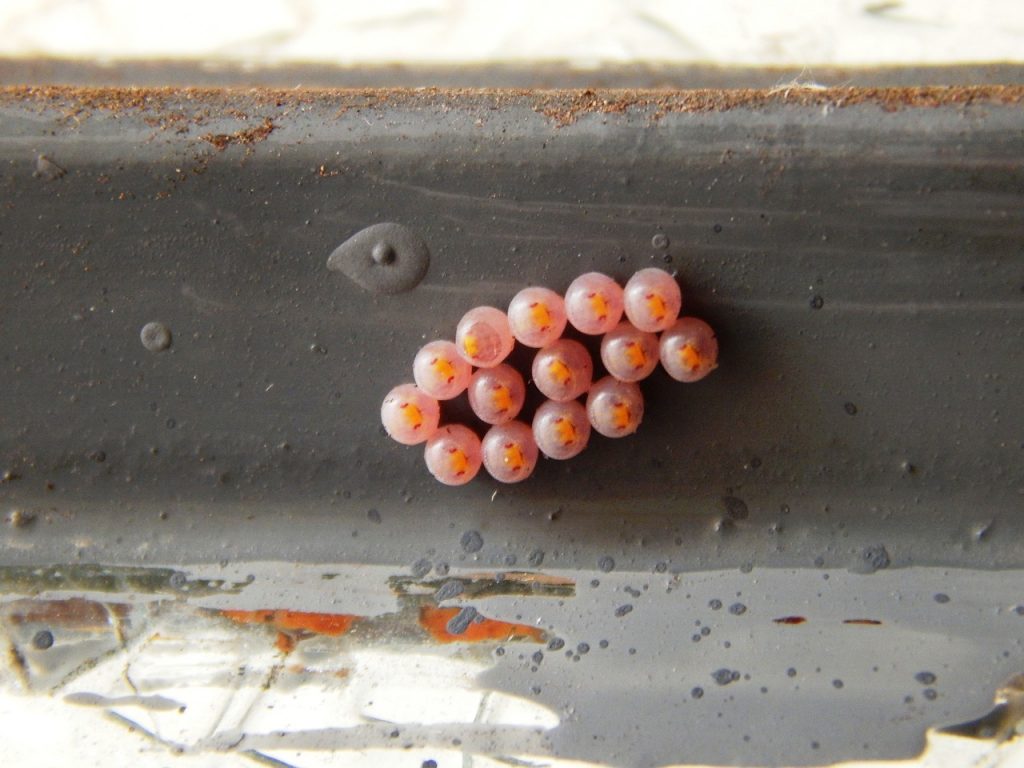
Insects can lay their eggs almost anywhere, because their eggs have very efficient life-supporting systems. Most have a surface structures so that it traps a layer of air, enabling the embryo developing within to breathe, no matter where the egg has been laid. Insects can therefore deposit their eggs near a food supply and then abandon them.
This may be the reason why further parental care is so rare in the insect world. Among the least caring of insect parents must be the sepsid fly, which lay its eggs in cowpats. Inside, the atmosphere must be suffocating, but each egg is equipped with a long breathing tube that protrudes trough the surface of the dung.
Eggs burden small birds more than big ones
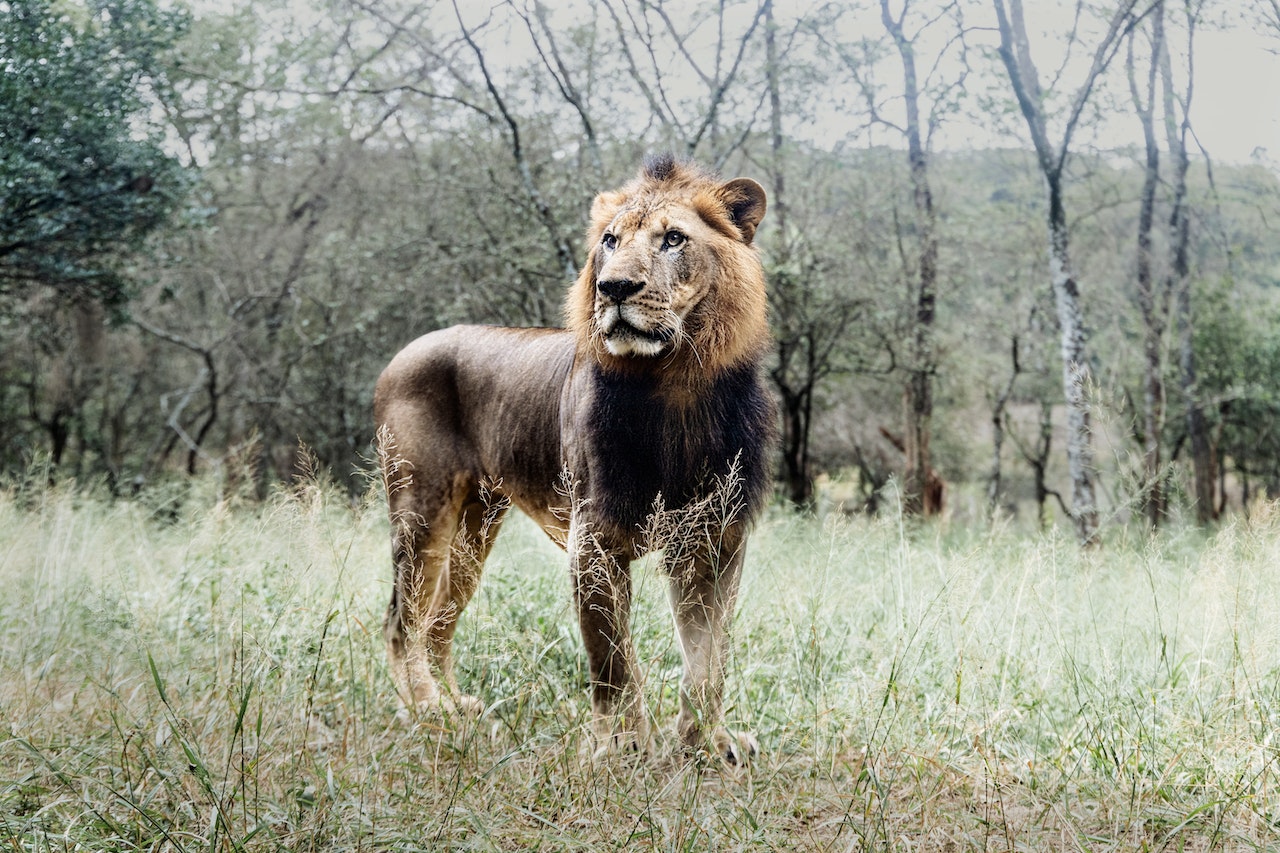
The largest bird’s egg ever laid is believed to have been that of the elephant bird of Madagascar, now extinct. This 10 ft (3 m) tall creature produced eggs that tipped the scales at 24 lb (11 kg). Today’s largest bird is the African ostrich, whose 6 ft (1.8 m) tall females lay eggs weighing about 3 lb (1.4 kg).
But if egg weight is related to bird size, the performance of some of the smaller birds is even more impressive. Large though it is, an ostrich egg represents only one percent of the female’s body weight. But though the smallest bird, the Cuban bee hummingbird, lays eggs that are no bigger than six peas, they represent over six percent of the female’s body weight.
In other words, were it ostrich-sized, its eggs would be six times heavier than those of the ostrich. Even more remarkable is the fact that the bee hummingbird flies while carrying his weight, whereas the burden of the flightless ostrich requires far less effort.
Usually, the size of a bird’s egg is determined by the size of the bird, although differing lifestyles can lead to modifications, Waders and game birds, for instance, lay larger eggs than many birds of similar size because their chicks leave the nest for hatching.
The chicks then start to forage for themselves, so need to be well developed. But species whose chicks stay in the nest and are fed for some time by their parents produce smaller eggs.
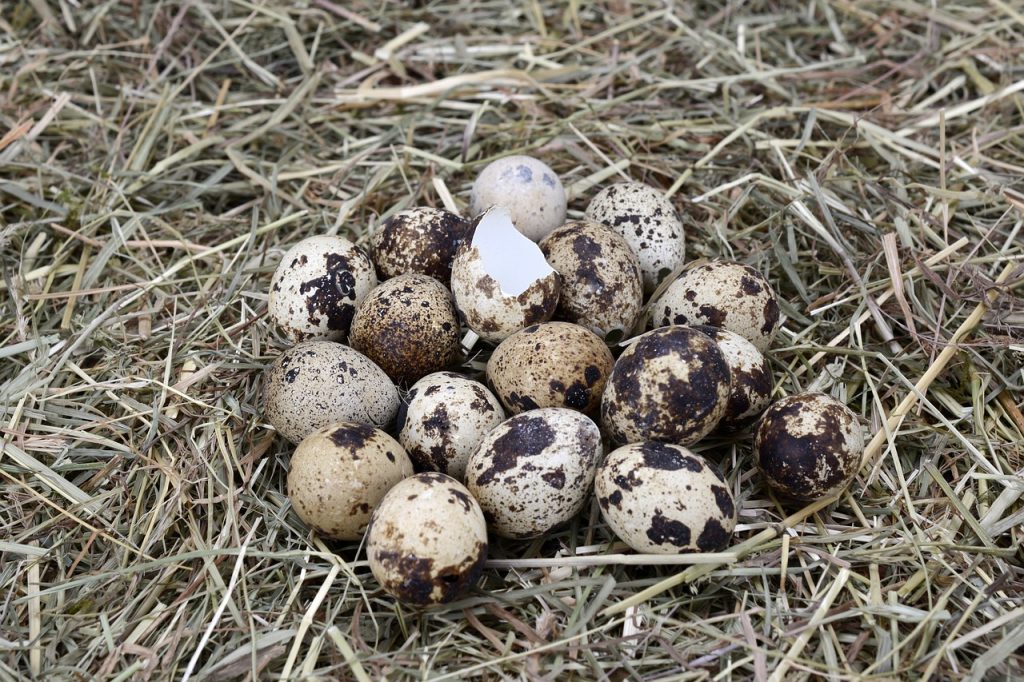
Eggs burden small birds more than big ones
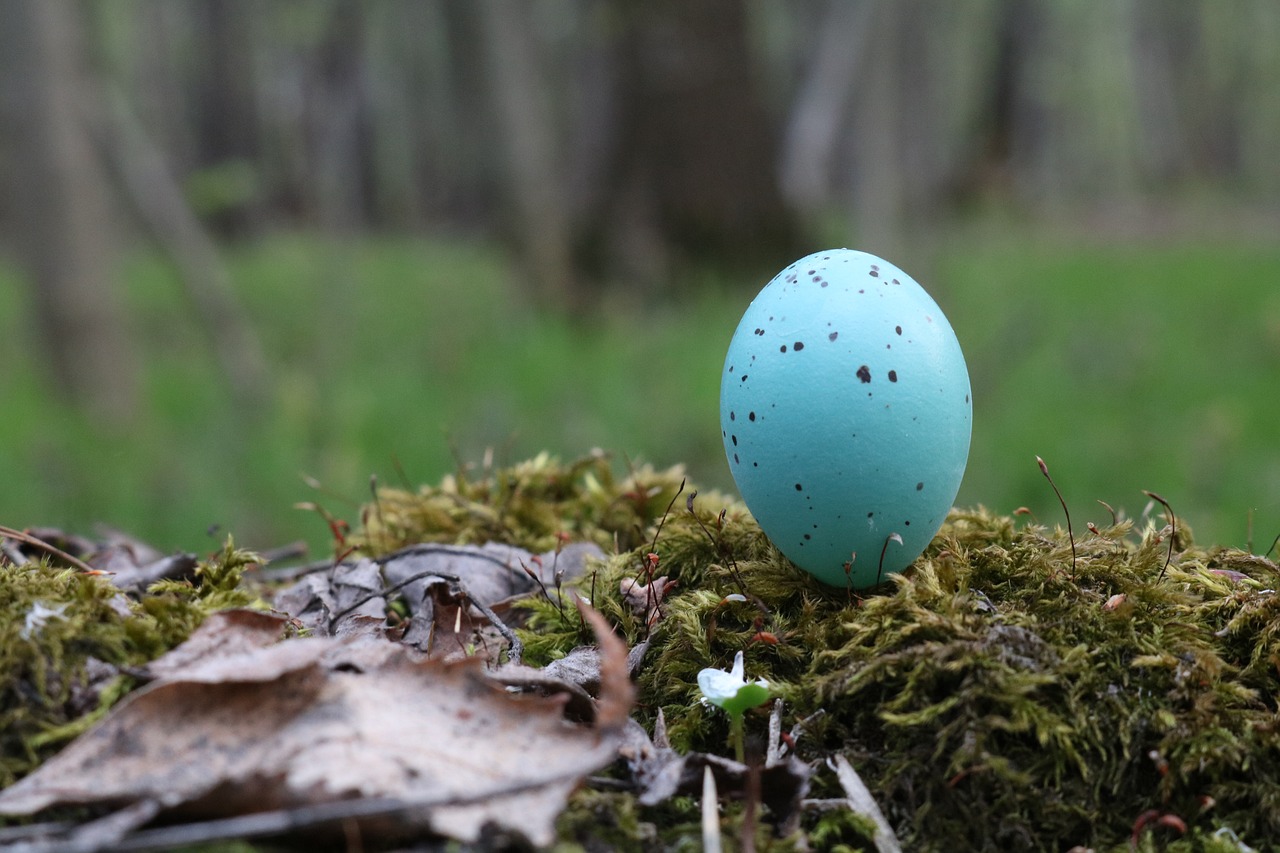
Birds’ eggs their colour from pigments laid on the egg shell while it is within the female. Birds whose eggs are stationary in the oviduct while colours are being deposited have spotted eggs, but those species whose eggs move about have streaked colouration.
Birds that build cup-shaped nests in trees often lay pale blue eggs, and for a long time it was believed that this pale blue colour was designed to imitate spot of the sun on the leaves and so confuse predators. Recent studies, however, have disproved this theory; they show that the colour of the egg makes little difference because predators usually find the nest before they have seen the eggs.
Birds that nest in the holes and those that sit tight when danger threatens often have white or unmarked eggs. So do birds like ducks and geese, which hide their eggs beneath their own feathers or cover them with vegetation when they leave the nest to feed.
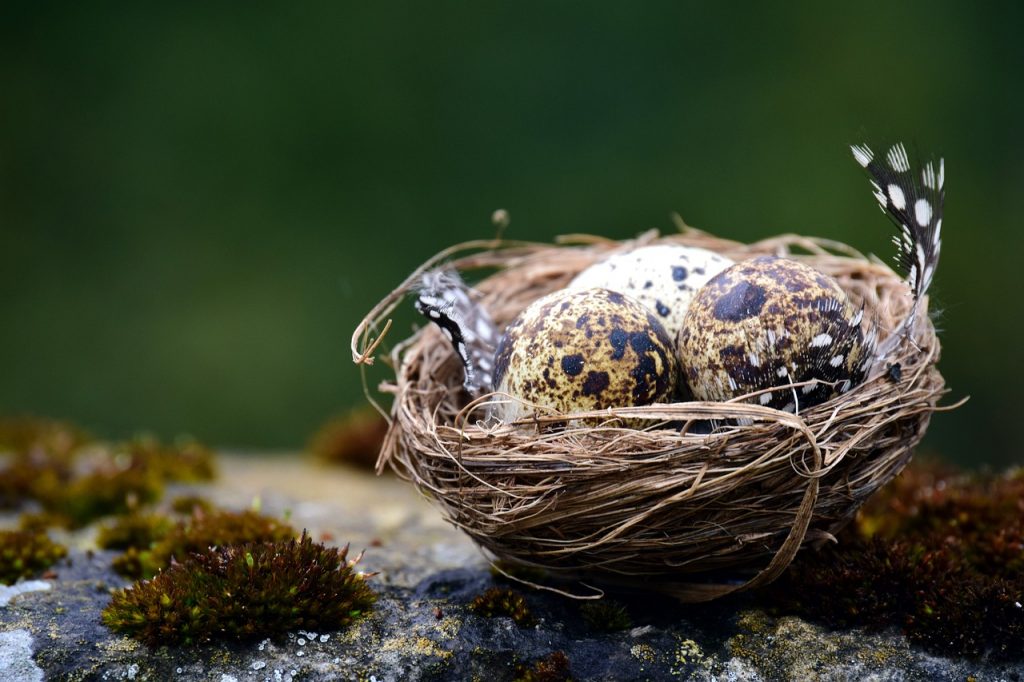
Egg camouflage is most highly developed among birds such as the lapwing, which try to lead predators away from the nest, and in so doing leave the eggs unattended. Their eggs are patterned with spots and blotches in colours that blend with the background, breaking up the outlines and making them very difficult to pick out.
For cuckoos, egg patters is particularly important because they have to lay the eggs that look like their host’s. Though cuckoos produce a range of patterns, an individual female can lay only one pattern of egg. She probably inherits the egg pattern from her mother, and then chooses the right nest by finding the species that raised her.