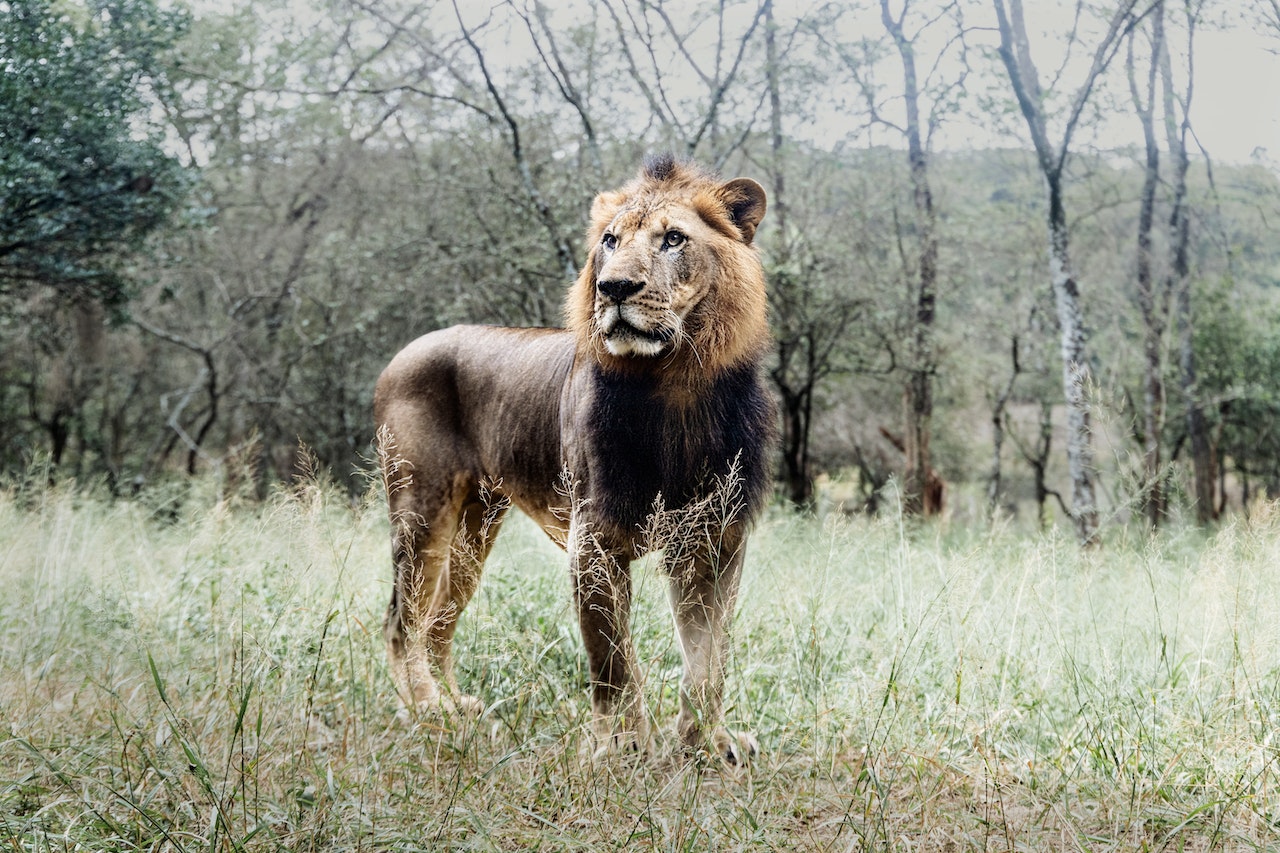
Are Lions Endangered?
From ancient myths to modern wildlife documentaries, lions have enthralled us with their noble presence. Yet, a cloud of concern looms over their future: Are lions endangered?
In this blog post, we delve into this question and explore the current state of lion populations, the challenges they face, and the conservation efforts underway to protect these magnificent creatures.
Understanding the Conservation Status
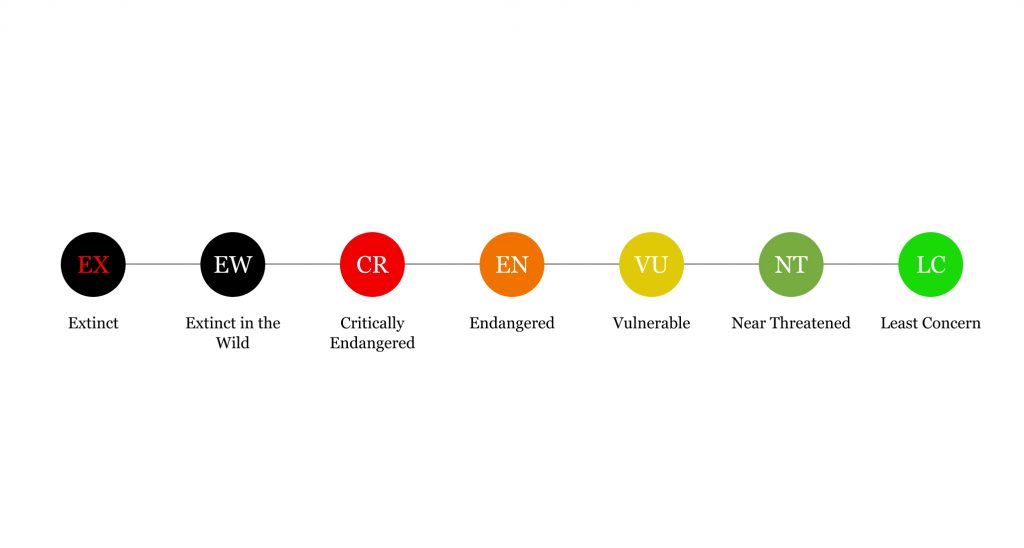
The conservation status of species is typically assessed by international organizations like the International Union for Conservation of Nature (IUCN).
According to the IUCN Red List, lions are currently classified as “Vulnerable,” which means they are at a high risk of extinction in the wild. This designation highlights the need for attention and conservation efforts to ensure their survival.
Factors Affecting Lion Populations
Several factors contribute to the decline of lion populations. Habitat loss and fragmentation, primarily due to human activities such as agriculture and urbanization, have significantly impacted their range. This loss of suitable habitat reduces prey availability, forces lions into closer proximity with humans, and increases the likelihood of conflicts.
Another significant threat is poaching and illegal wildlife trade. Lions face persecution from trophy hunting, where their body parts are sought after as trophies or for use in traditional medicine.
Additionally, retaliatory killings due to conflicts with livestock owners pose a severe threat to lion populations.
Conservation Initiatives
To address the challenges faced by lions, various conservation initiatives are in place. Range countries, international organizations, and local communities are working together to protect lion populations and their habitats.
Efforts include the establishment of protected areas and national parks, where lions can thrive in a safe environment. Community-based conservation programs engage local communities in conservation practices, aiming to reduce human-wildlife conflicts and foster coexistence.
Collaborative projects focus on anti-poaching efforts, raising awareness about the importance of lions, and promoting responsible tourism practices. These initiatives not only contribute to lion conservation but also have positive impacts on the ecosystems and communities they inhabit.
Conclusion
While the “Vulnerable” status of lions on the IUCN Red List raises concerns, it also serves as a call to action. The conservation community and stakeholders worldwide are working tirelessly to safeguard these magnificent animals and preserve their natural habitats.
By supporting conservation initiatives, spreading awareness, and advocating for responsible practices, we can contribute to securing a brighter future for lions and ensure that future generations will continue to witness the regal presence of these awe-inspiring creatures in the wild.
]]>
How many teeth do cats have?
Have you ever wondered how many teeth your cat has hidden behind that mischievous smile? We often find ourselves marvelling at their adorable antics and razor-sharp claws. Still, their teeth are an equally intriguing aspect of their anatomy.
As proud owners of these enigmatic creatures, let’s delve into the captivating world of feline dentition and uncover the astonishing number of cat teeth beneath those whiskers.
The Basics of Cat Dentition
Cats have two sets of teeth throughout their lives, much like humans and many other animals. They start off with a set of deciduous (baby) teeth as kittens. Six incisors, two canines, and six premolars in each jaw make up the average kitten’s 26 baby teeth.
When the kitten is three to four weeks old, the eruption of its baby teeth, which are smaller and more sensitive than its adult teeth, begins. These baby teeth progressively disappear as the kitten ages, leaving a place for the advent of its permanent teeth.
Typical Amount of Cat Teeth
Once the deciduous teeth have shed, cats develop a set of adult teeth. Adult cats have a total of 30 teeth, which consist of six incisors, two canines, eight premolars, and four molars in the upper jaw, and six incisors, two canines, six premolars, and two molars in the lower jaw. The adult teeth are larger, stronger, and more suited to a cat’s needs as a carnivorous predator.
The adult cat teeth should be properly maintained through regular dental care, including brushing, dental check-ups, and appropriate chewing materials, to ensure the cat’s oral health and overall well-being.
Teething in Kittens
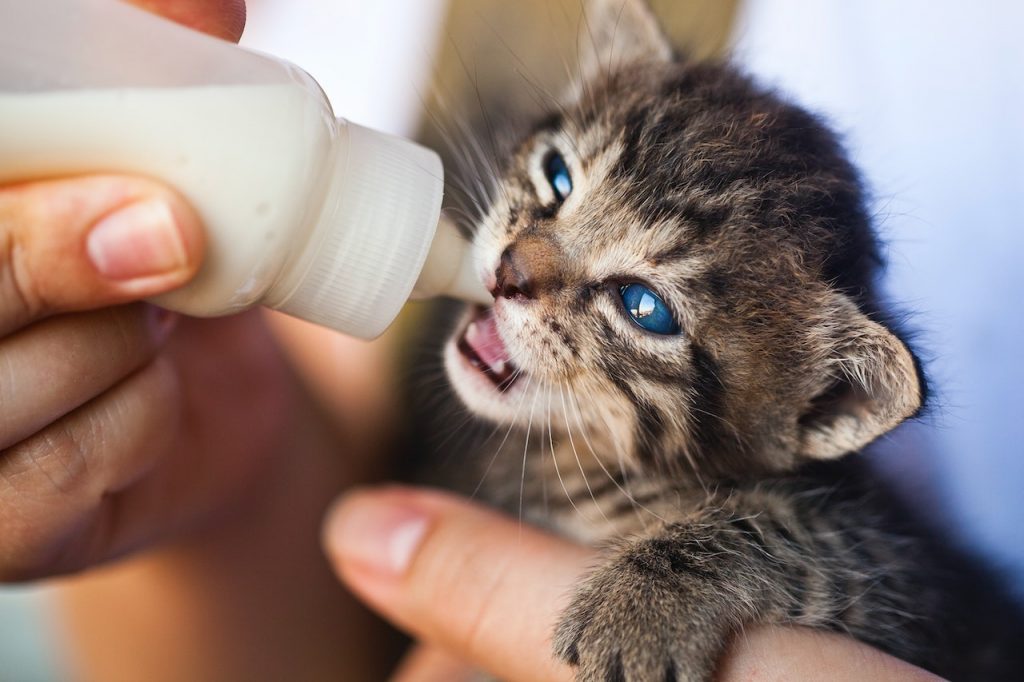
Teething is a natural and important process that kittens go through as they transition from their milk-based diet to consuming solid foods.
Just like human babies, kittens experience teething, which involves the eruption of their deciduous (baby) teeth and the subsequent replacement with their permanent teeth. This developmental milestone can be a bit challenging for both kittens and their owners, but understanding the process can help make it easier for everyone involved.
The teething process typically begins when kittens are around three to four months old and continue until they are about six to nine months old. During this time, their deciduous teeth start to loosen and fall out, making way for the eruption of their permanent teeth.
This process can cause discomfort and irritability in kittens, leading to increased chewing behaviour and a strong urge to bite and gnaw on objects.

To help alleviate their discomfort, it’s important to provide appropriate chew toys specifically designed for teething kittens. These toys are typically made of soft rubber or fabric materials that are gentle on their developing gums. Chewing on these toys not only helps soothe their sore gums but also aids in loosening and shedding their baby teeth naturally.
Problems during Teething
Teething can occasionally present some challenges for both kittens and their owners. A common problem that can arise during teething is retained baby teeth. In some cases, the baby teeth may not fall out as the permanent teeth emerge, leading to a condition called retained deciduous teeth. This can result in overcrowding or misalignment of the teeth, potentially causing dental issues in the future.
If you notice that your kitten’s baby teeth are not falling out as expected, it’s advisable to consult with a veterinarian. They can examine the kitten’s mouth and determine if any intervention, such as tooth extraction, is necessary to prevent complications and ensure proper dental development.
Conclusion
Cats possess an intriguing dental structure that aligns with their carnivorous nature. With 30 cat teeth, including incisors, canines, premolars, and molars, these remarkable creatures are well-equipped for hunting and consuming their prey.
Taking care of your cat’s dental health is crucial for its overall well-being, so be sure to provide regular dental care and seek professional assistance when necessary.
By maintaining proper dental hygiene, you can help your feline companion maintain a healthy and happy smile for years to come.
]]>
Why Bird Egg Sizes Matter
Of all Nature’s engineering feats, few are more remarkable than the egg. Precision-tailored over ages to suit the needs of each species.
How an egg’s shape helps protect the embryo
Although all bird’s eggs are oval, there are significant differences between those laid by various species. The more rounded types, for example are generally laid by birds that nest in holes, or in deep cups where their rolling will not cause problems.
Owl’s eggs are rounder than most, and the eggs of swifts and swallows are long and narrow. Birds such as guillemots, which nest on precipitous rock ledges, lay sharply tapered eggs that roll in tight circles, and which have shells that are thickened at the pointed end.
The hard shell of a bird’s egg is a defence against predators. An inexperienced predator may be discouraged by the difficulty of picking up an object that is so smooth, hard and round. Turtle’s eggs, on the other hand, are soft and have a leathery shell. As they are buried in the sand until they hatch, a hard shell is no benefit to them.
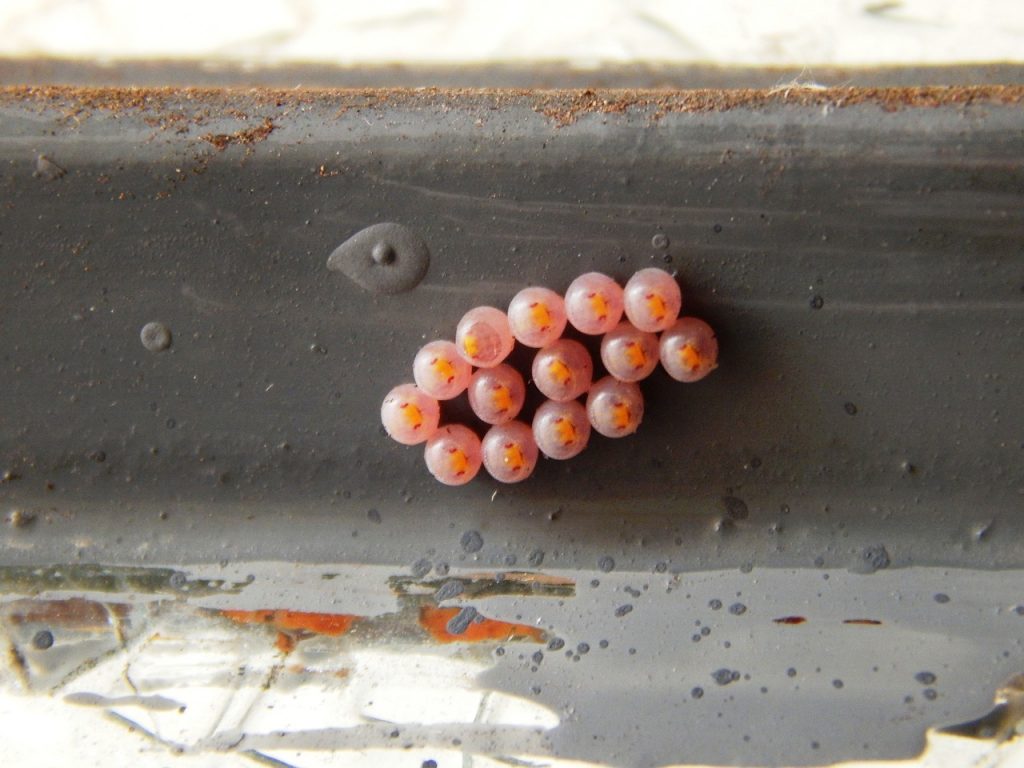
Insects can lay their eggs almost anywhere, because their eggs have very efficient life-supporting systems. Most have a surface structures so that it traps a layer of air, enabling the embryo developing within to breathe, no matter where the egg has been laid. Insects can therefore deposit their eggs near a food supply and then abandon them.
This may be the reason why further parental care is so rare in the insect world. Among the least caring of insect parents must be the sepsid fly, which lay its eggs in cowpats. Inside, the atmosphere must be suffocating, but each egg is equipped with a long breathing tube that protrudes trough the surface of the dung.
Eggs burden small birds more than big ones
The largest bird’s egg ever laid is believed to have been that of the elephant bird of Madagascar, now extinct. This 10 ft (3 m) tall creature produced eggs that tipped the scales at 24 lb (11 kg). Today’s largest bird is the African ostrich, whose 6 ft (1.8 m) tall females lay eggs weighing about 3 lb (1.4 kg).
But if egg weight is related to bird size, the performance of some of the smaller birds is even more impressive. Large though it is, an ostrich egg represents only one percent of the female’s body weight. But though the smallest bird, the Cuban bee hummingbird, lays eggs that are no bigger than six peas, they represent over six percent of the female’s body weight.
In other words, were it ostrich-sized, its eggs would be six times heavier than those of the ostrich. Even more remarkable is the fact that the bee hummingbird flies while carrying his weight, whereas the burden of the flightless ostrich requires far less effort.
Usually, the size of a bird’s egg is determined by the size of the bird, although differing lifestyles can lead to modifications, Waders and game birds, for instance, lay larger eggs than many birds of similar size because their chicks leave the nest for hatching.
The chicks then start to forage for themselves, so need to be well developed. But species whose chicks stay in the nest and are fed for some time by their parents produce smaller eggs.
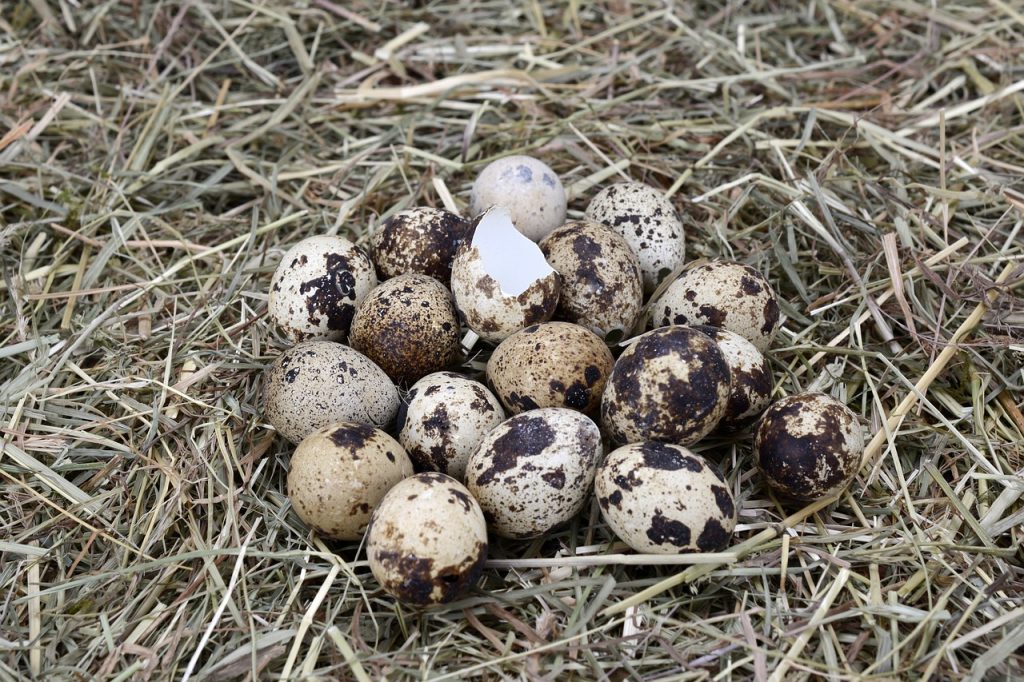
Eggs burden small birds more than big ones
Birds’ eggs their colour from pigments laid on the egg shell while it is within the female. Birds whose eggs are stationary in the oviduct while colours are being deposited have spotted eggs, but those species whose eggs move about have streaked colouration.
Birds that build cup-shaped nests in trees often lay pale blue eggs, and for a long time it was believed that this pale blue colour was designed to imitate spot of the sun on the leaves and so confuse predators. Recent studies, however, have disproved this theory; they show that the colour of the egg makes little difference because predators usually find the nest before they have seen the eggs.
Birds that nest in the holes and those that sit tight when danger threatens often have white or unmarked eggs. So do birds like ducks and geese, which hide their eggs beneath their own feathers or cover them with vegetation when they leave the nest to feed.
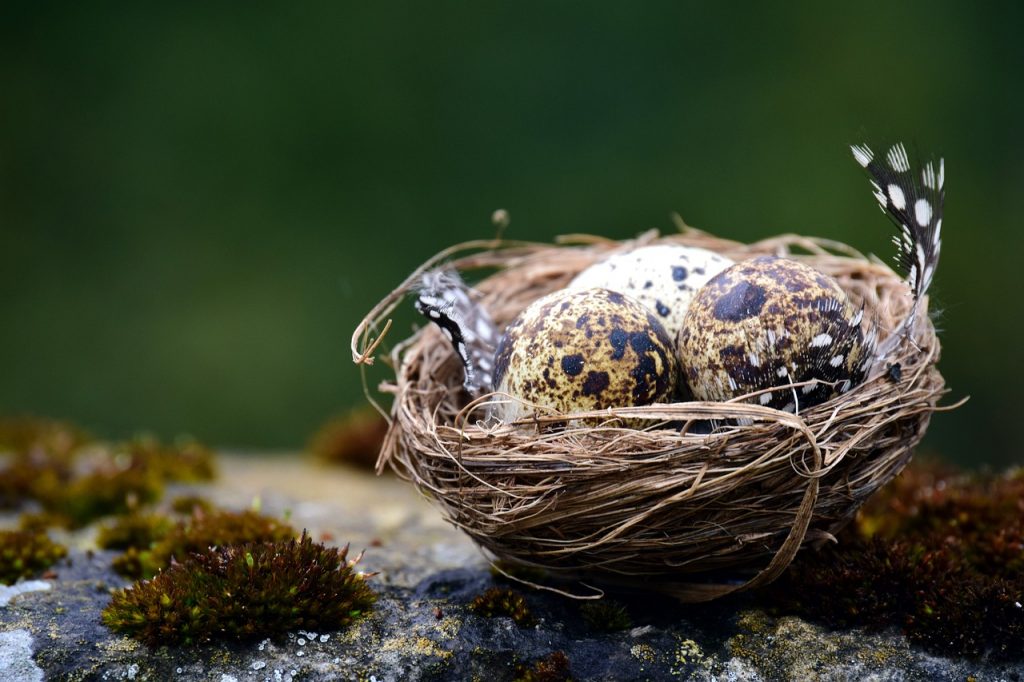
Egg camouflage is most highly developed among birds such as the lapwing, which try to lead predators away from the nest, and in so doing leave the eggs unattended. Their eggs are patterned with spots and blotches in colours that blend with the background, breaking up the outlines and making them very difficult to pick out.
For cuckoos, egg patters is particularly important because they have to lay the eggs that look like their host’s. Though cuckoos produce a range of patterns, an individual female can lay only one pattern of egg. She probably inherits the egg pattern from her mother, and then chooses the right nest by finding the species that raised her.
]]>