Also Known As:
Northern Bluefin Tuna, Giant Bluefin Tuna, Tunny
Water Type:
Saltwater
Body of Water Found In:
Atlantic Ocean
Food Source:
Crustaceans, Squid, Eels, Zooplankton, Kelp
Lifespan:
15 Years
IUCN Red List Status:
Endangered
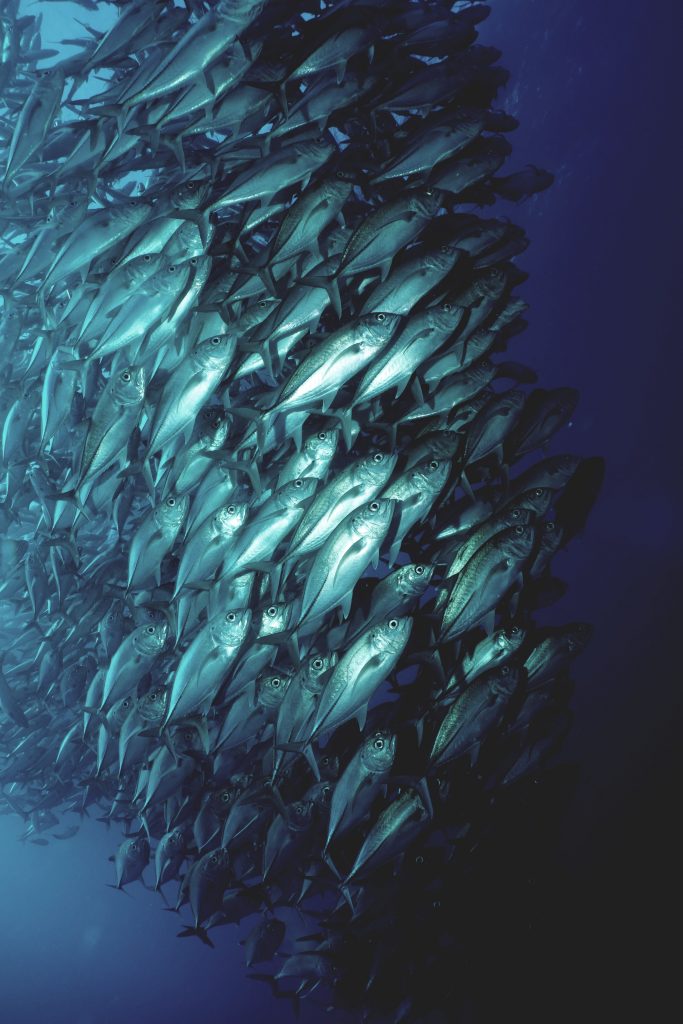
Brief Description
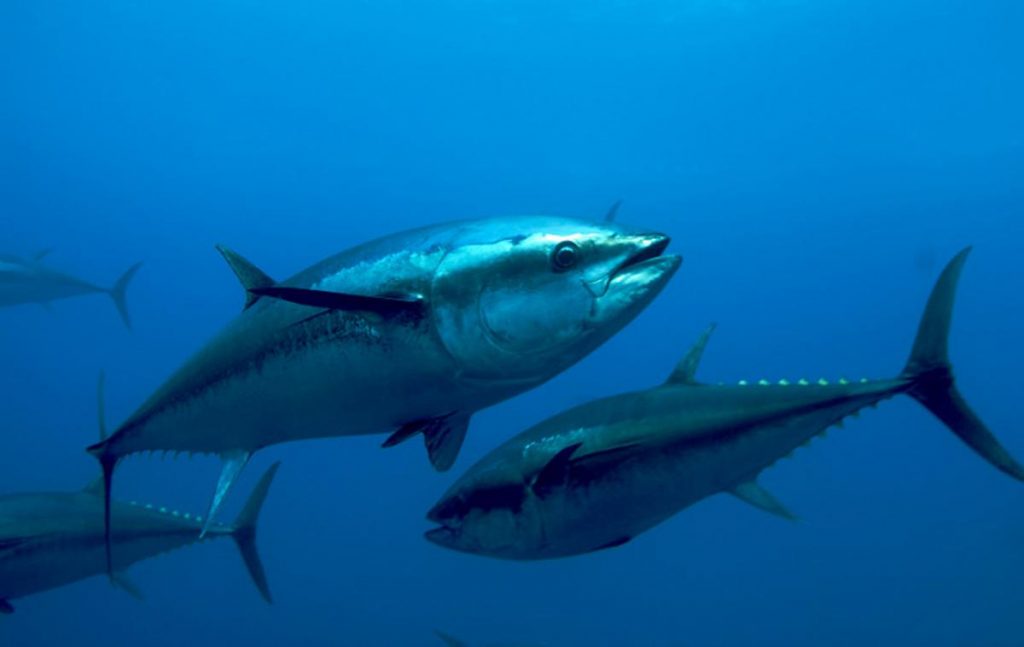
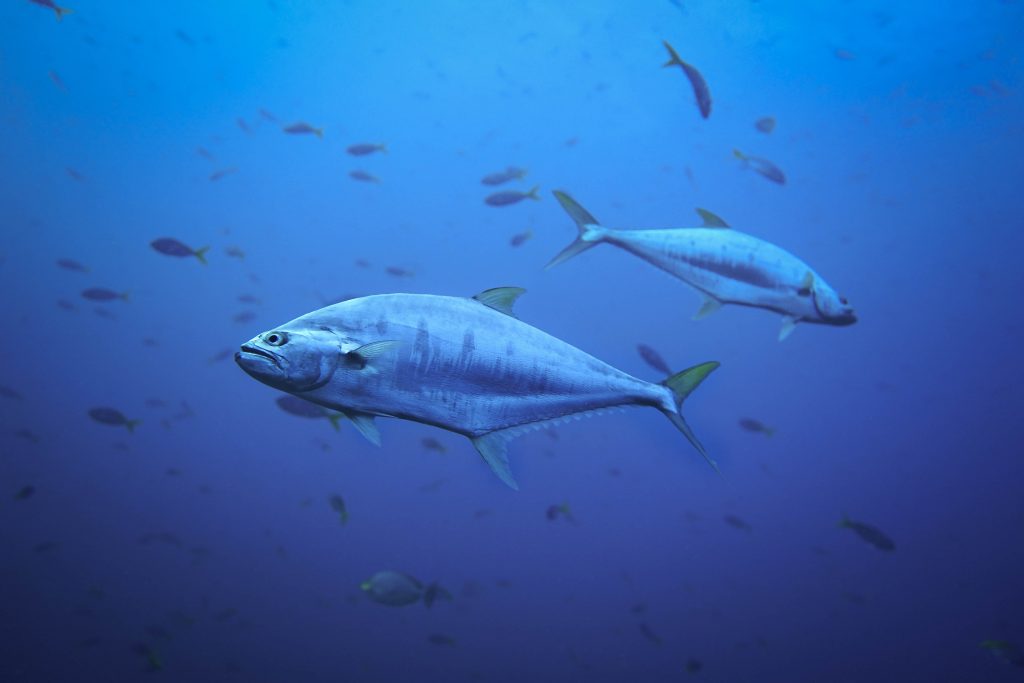
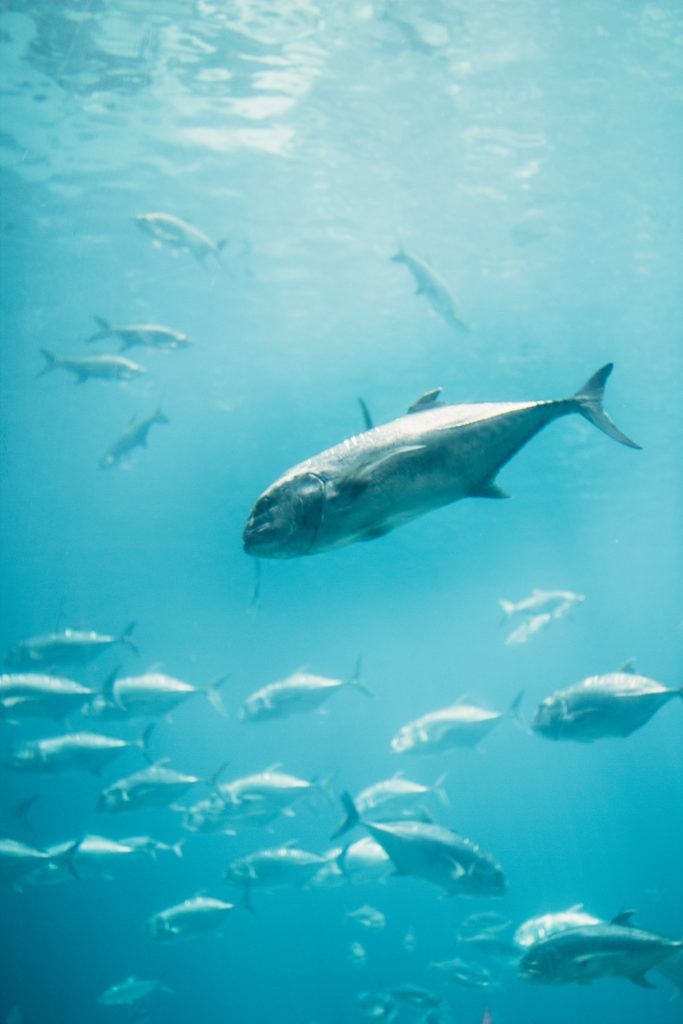
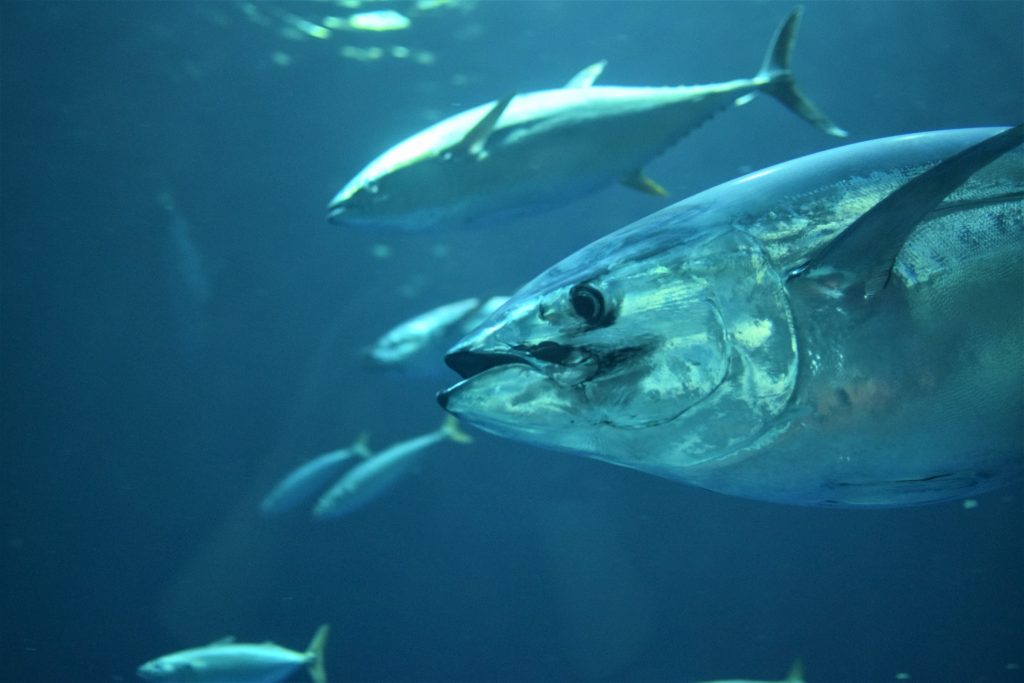
The Atlantic bluefin tuna is one of the open ocean’s quickest and most powerful predators, and it’s the target of a number of local and large-scale fisheries across its range. Weights of up to 2000 pounds (900 kg) and lengths of over 15 feet (4.6 m) have been recorded in the past.
The Atlantic bluefin tuna is the world’s biggest tuna and the mackerel family’s largest species. Atlantic bluefin tuna consume a wide range of food, although they appear to favour pelagic fish and crustaceans that they can swallow whole.
Atlantic Bluefin Tuna Gallery
Also Known As:
Lake Trout
Water Type:
Freshwater
Bodies of Water Found In:
Lakes, Rivers, Streams
Food Source:
Invertebrates, Larvae, Crustaceans, Small Fish, Voles, Mice
Lifespan:
20 Years
IUCN Red List Status:
Vulnerable
Brief Description
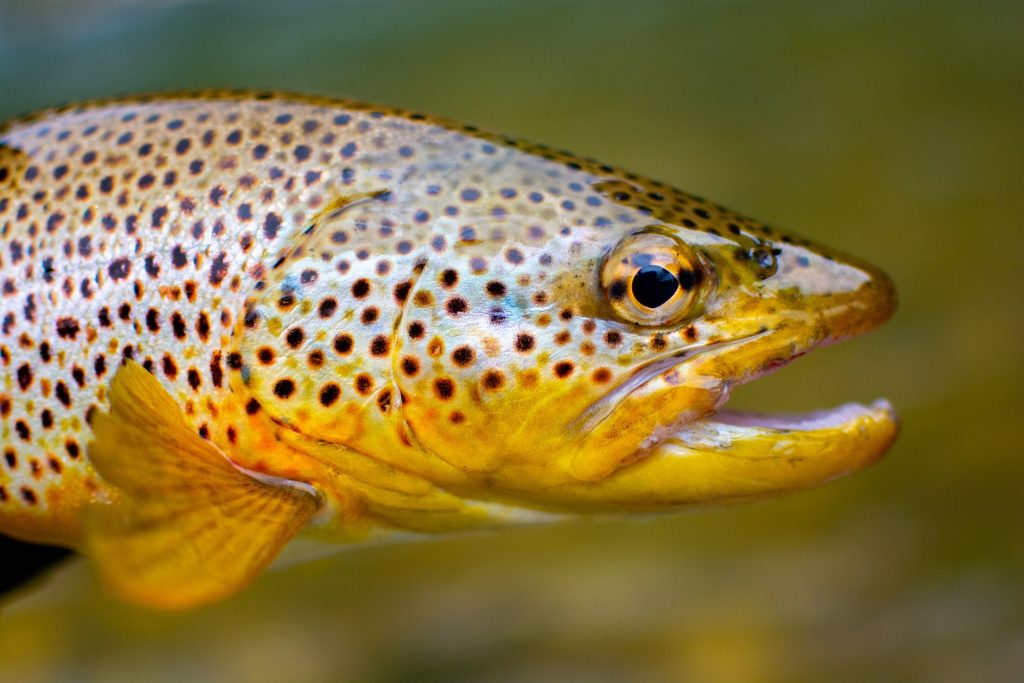
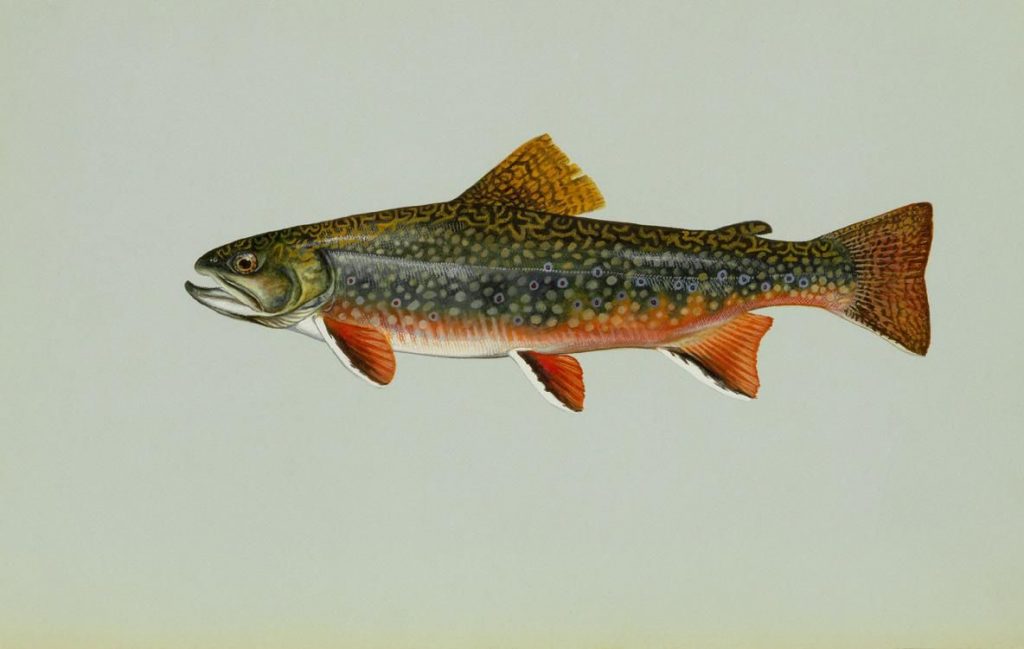
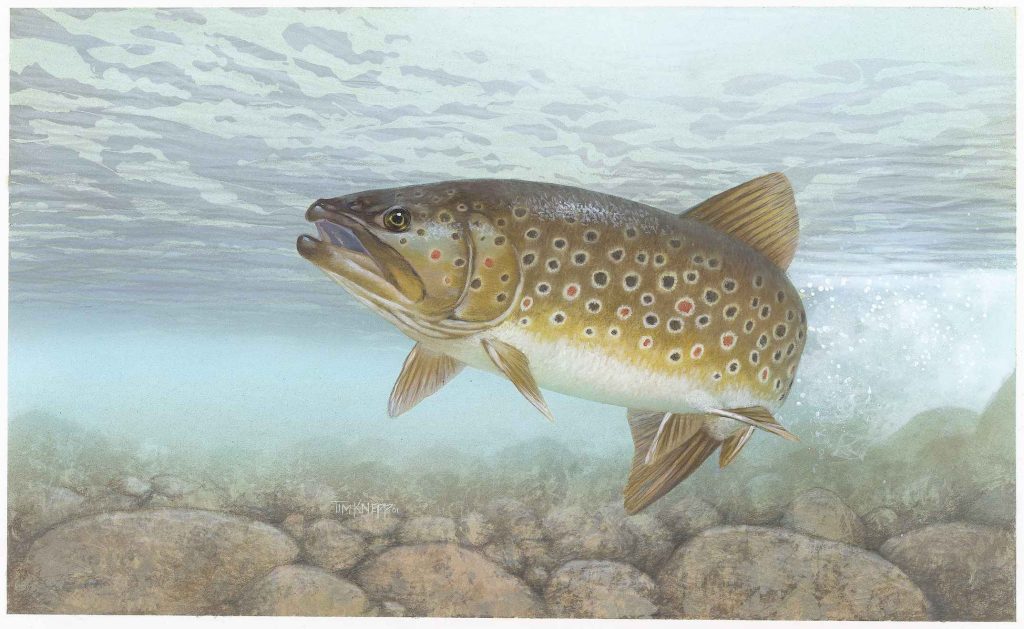
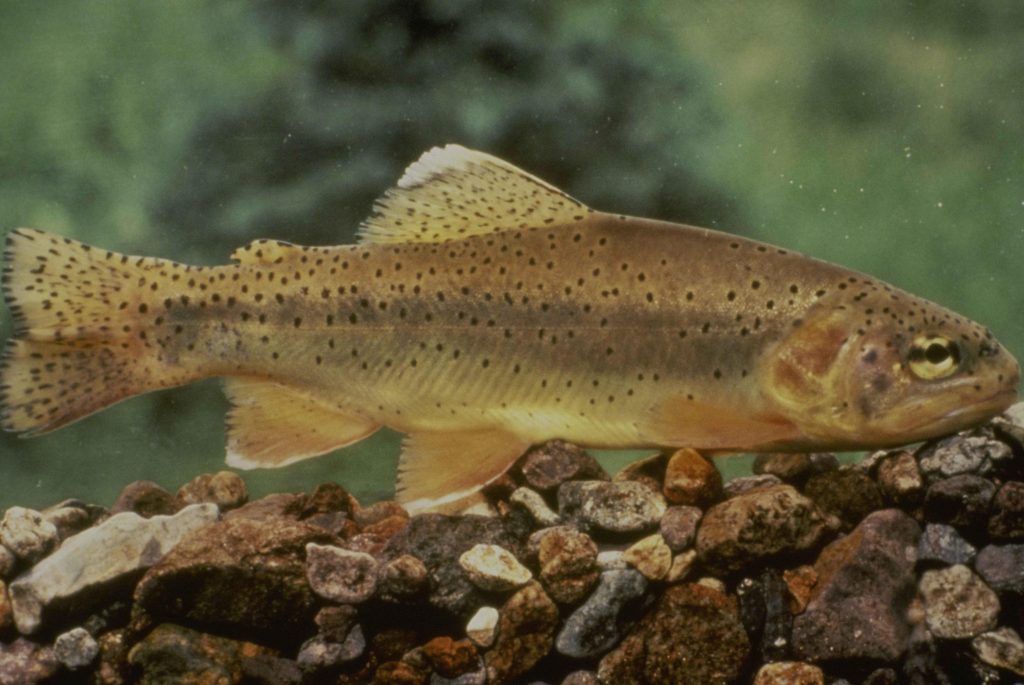
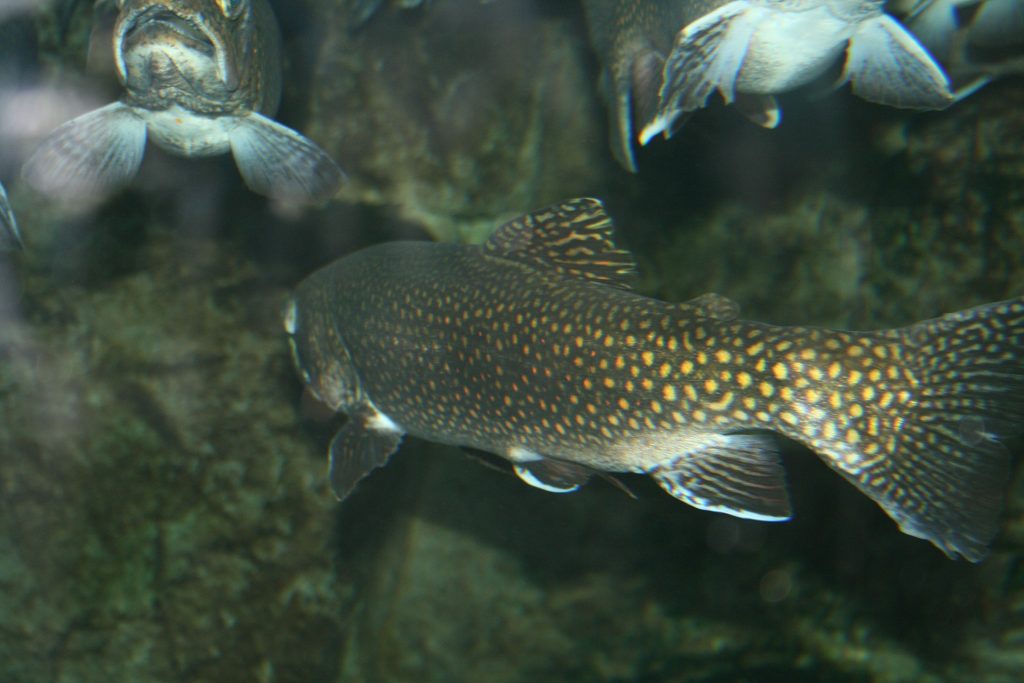
The Brown Trout is a European species of salmonid fish that has been widely introduced into suitable environments globally. Brown Trout are very adaptable and are so varied that they are assigned to at least 50 separate species.
As the name suggests, brown trout are brown in colour, which varies from light silvery brown to the more common bolden brown hue. They have darker spots on their backs and sides, with pale bellies.
Brown Trout Gallery
Animal Type:
Reptile
Also Known As:
Komodo Monitor, Land Crocodile, Giant Monitor
Diet Type:
Carnivore, Scavenger
Eats:
Carrion, Invertebrates, Reptiles, Birds, Bird Eggs, Monkeys, Wild Boar, Goats, Deer, Horses, Water Buffalo
Lifespan:
30 Years
IUCN Red List Status:
Vulnerable
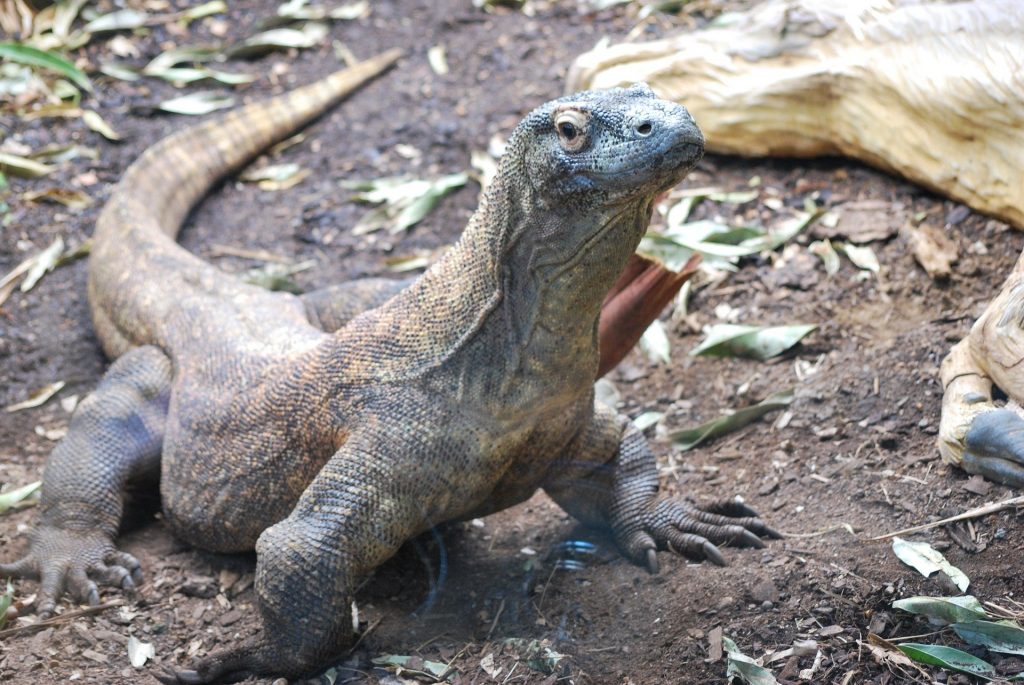
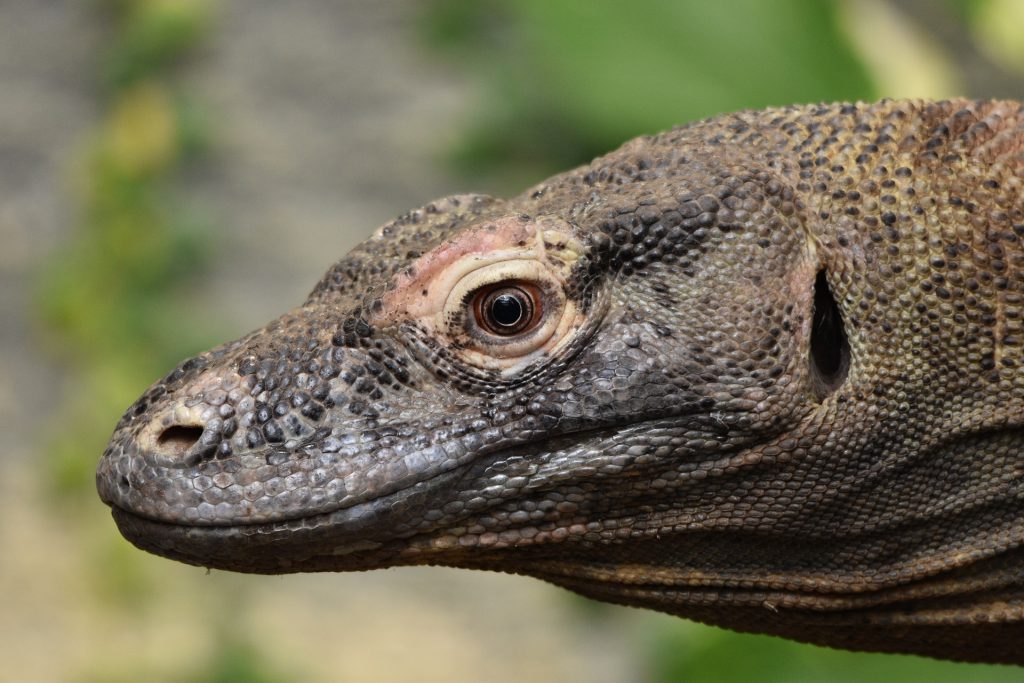
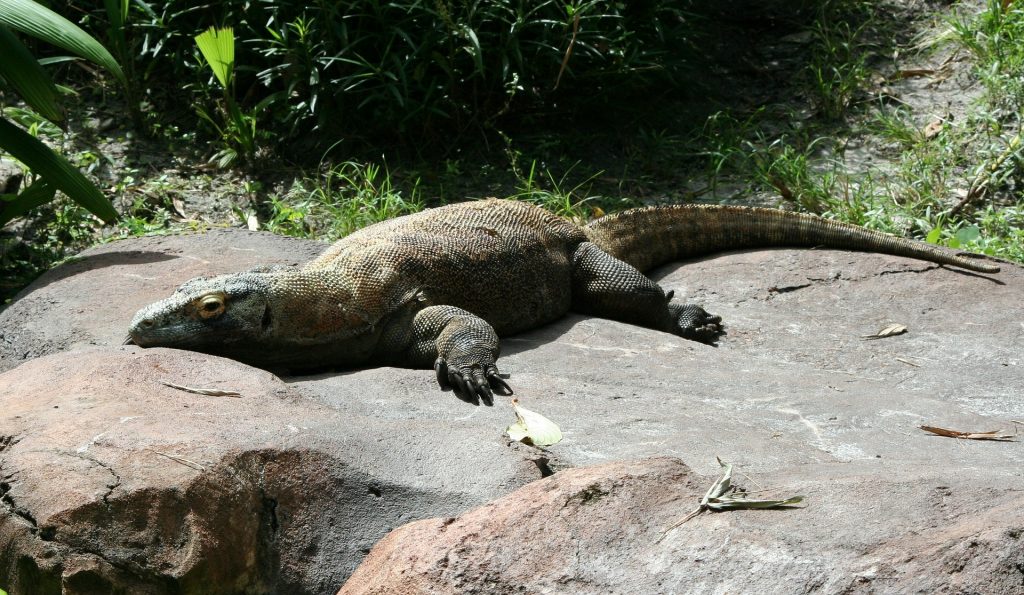
Brief Description
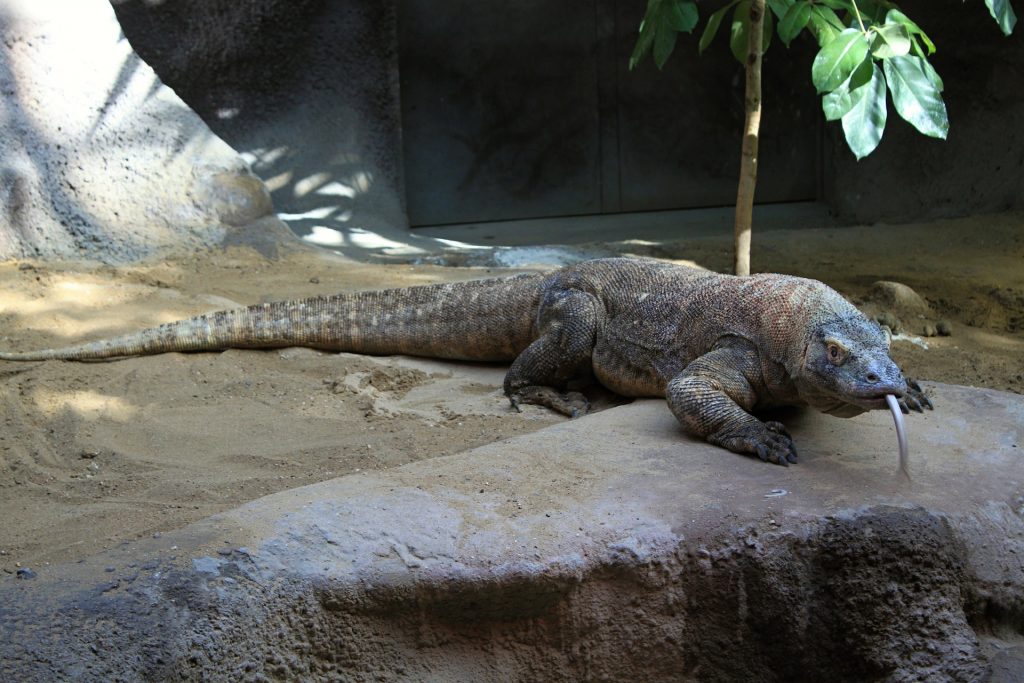
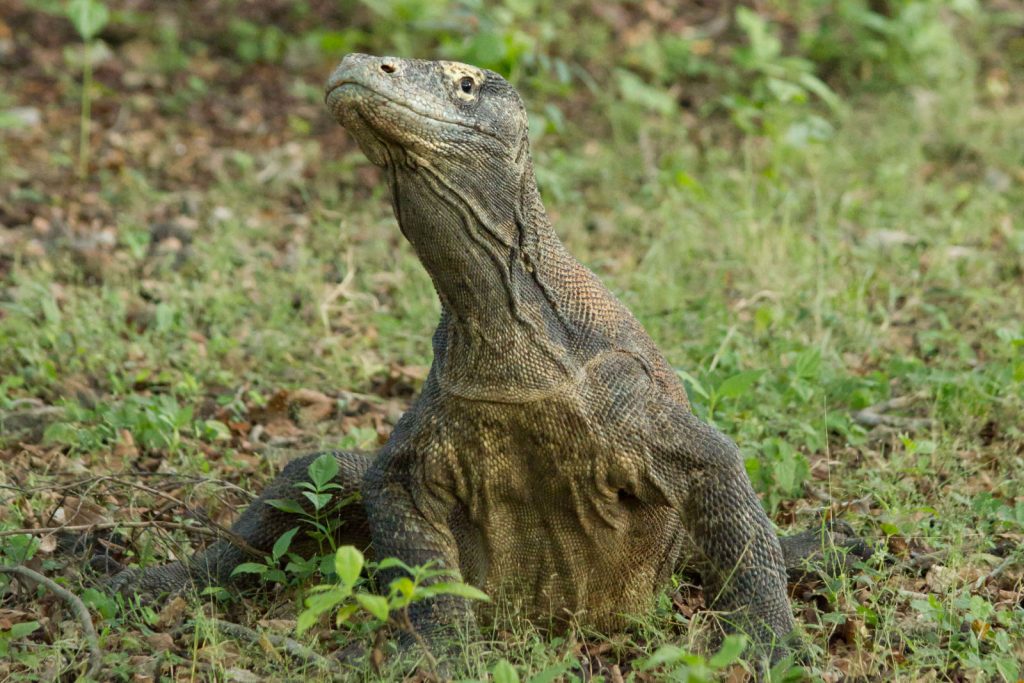
The Komodo dragon is the largest and heaviest lizard in the world. These lizards have a venomous bite and their group behavior in hunting is exceptional in the reptile world. Komodo dragons have a tail as long as their body and a long, yellow, deeply forked tongue. Their skin is usually gray in color reinforced by armored scales, which contain tiny bones called osteoderms that function as a sort of natural chain-mail. This rugged hide makes Komodo dragon skin a poor source of leather. Additionally, these osteoderms become more extensive and variable in shape as the Komodo dragon ages, ossifying more extensively as the lizard grows. These osteoderms are absent in hatchlings and juveniles, indicating that the natural armor develops as a product of age and competition between adults for protection in combats over food and mates.
Komodo Dragon Gallery
Animal Type:
Bird
Also Known As:
Azure Bluebird, Common Bluebird, Blue Robins, American Bluebird, Wilson’s Bluebird
Diet Type:
Carnivore, Insectivore
Eats:
Caterpillars, Butterflies, Moths, Grasshoppers, Berries, Earthworms, Spiders, Snails
Lifespan:
6 – 10.6 Years
IUCN Red List Status:
Least Concern
Brief Description
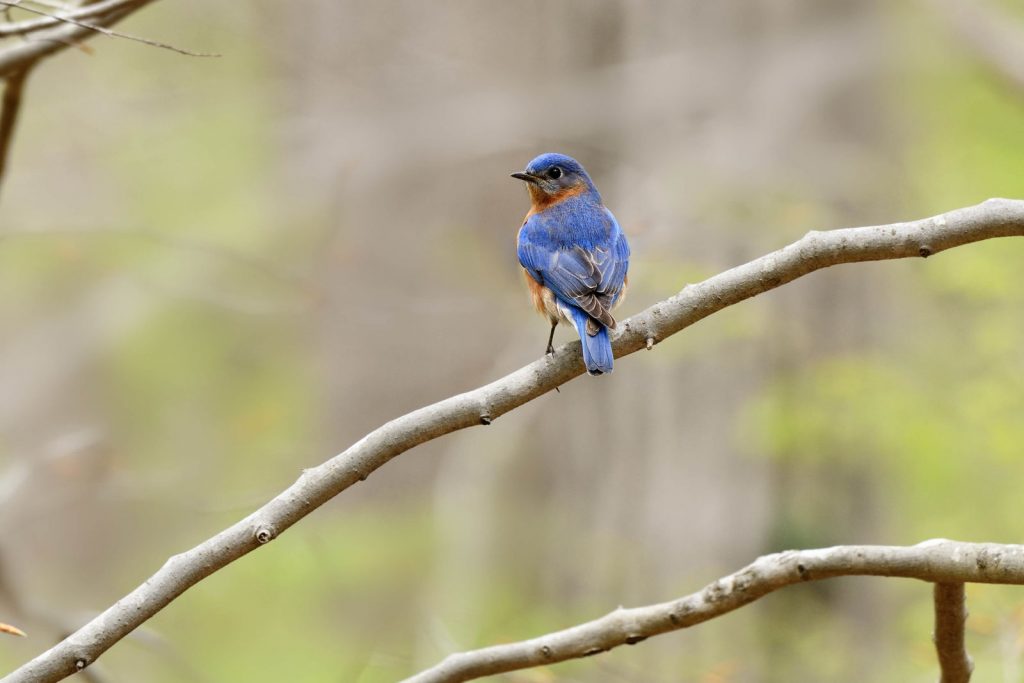
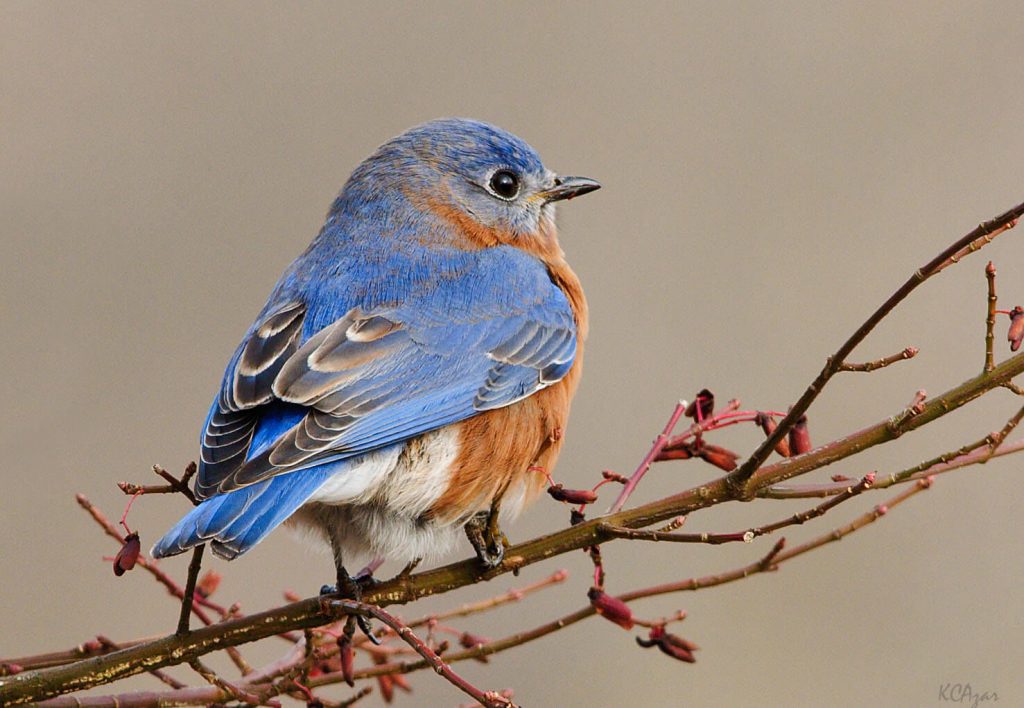
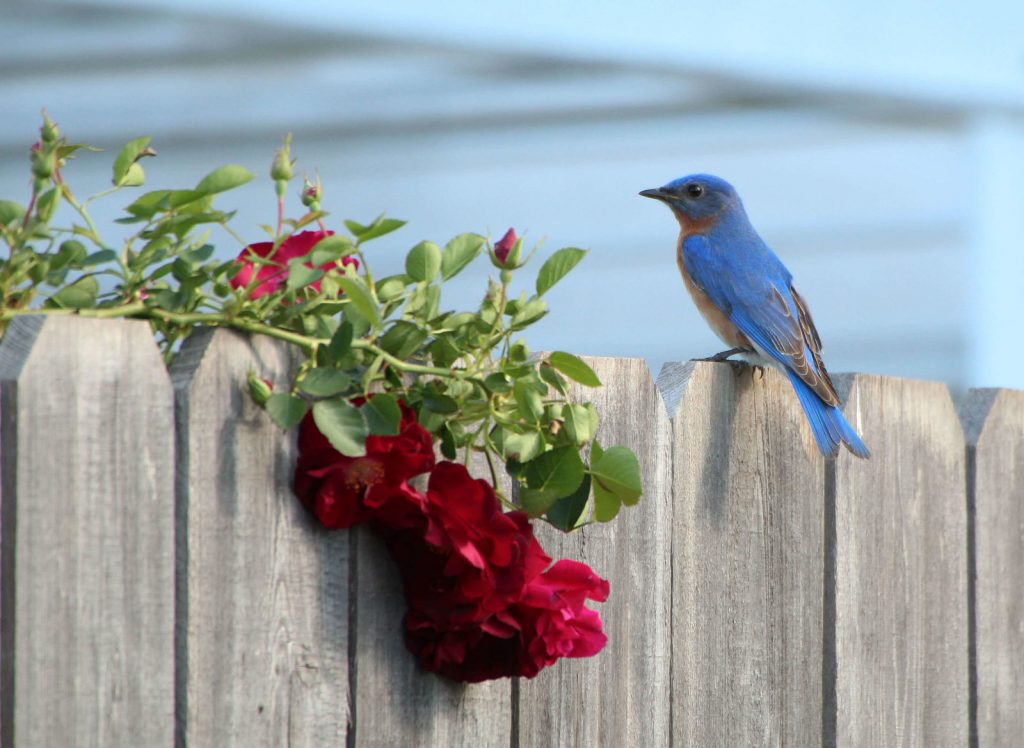
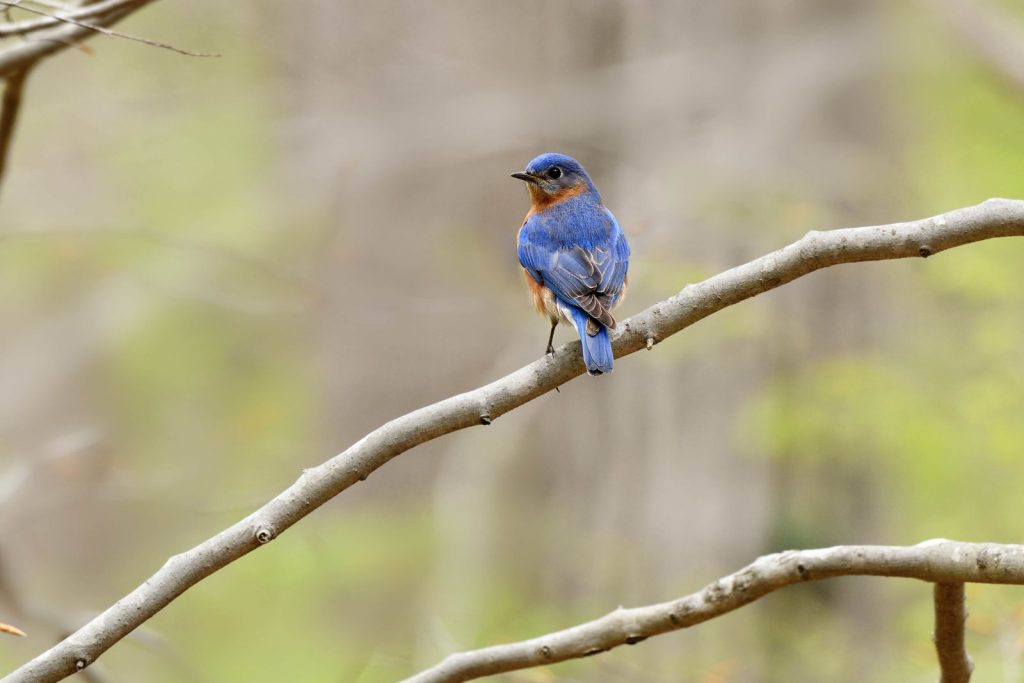
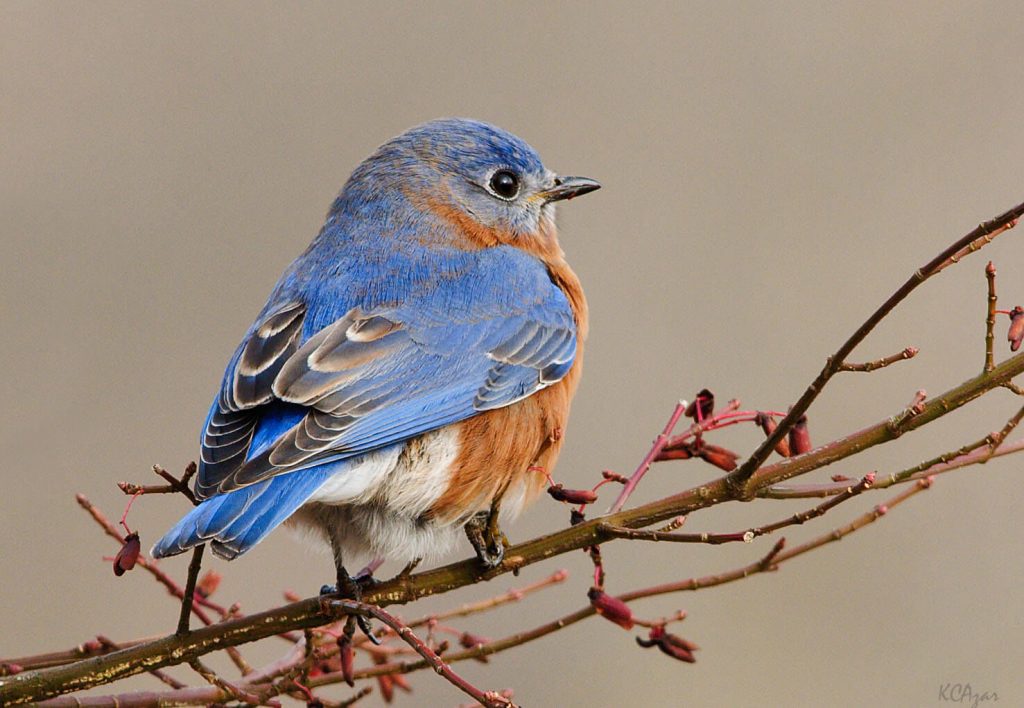
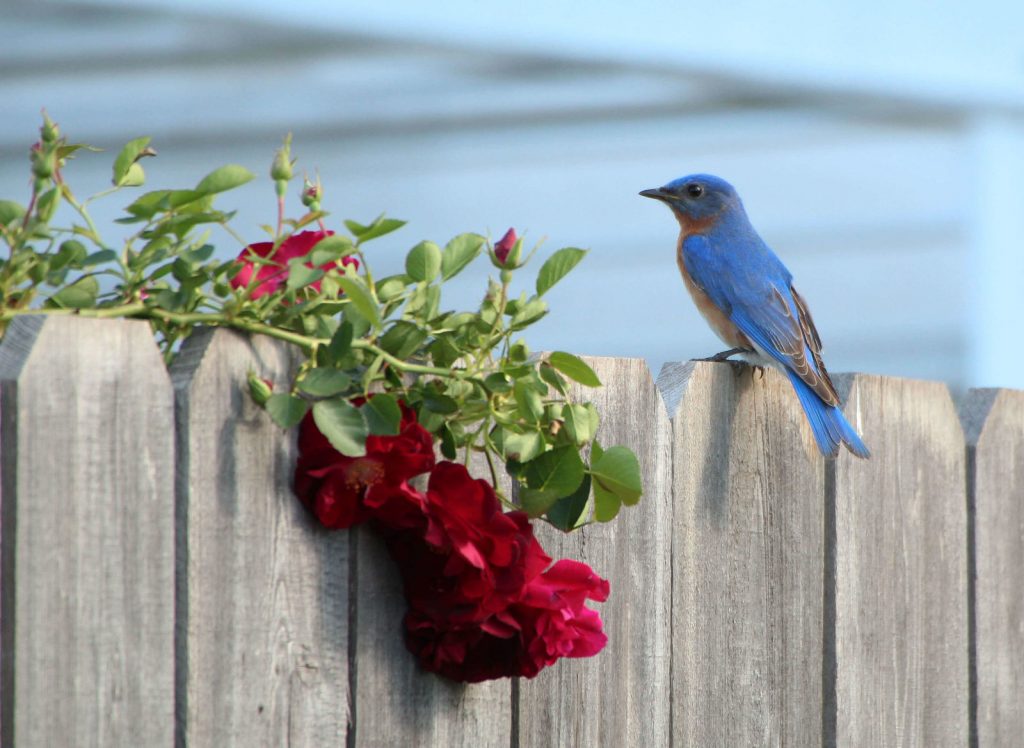
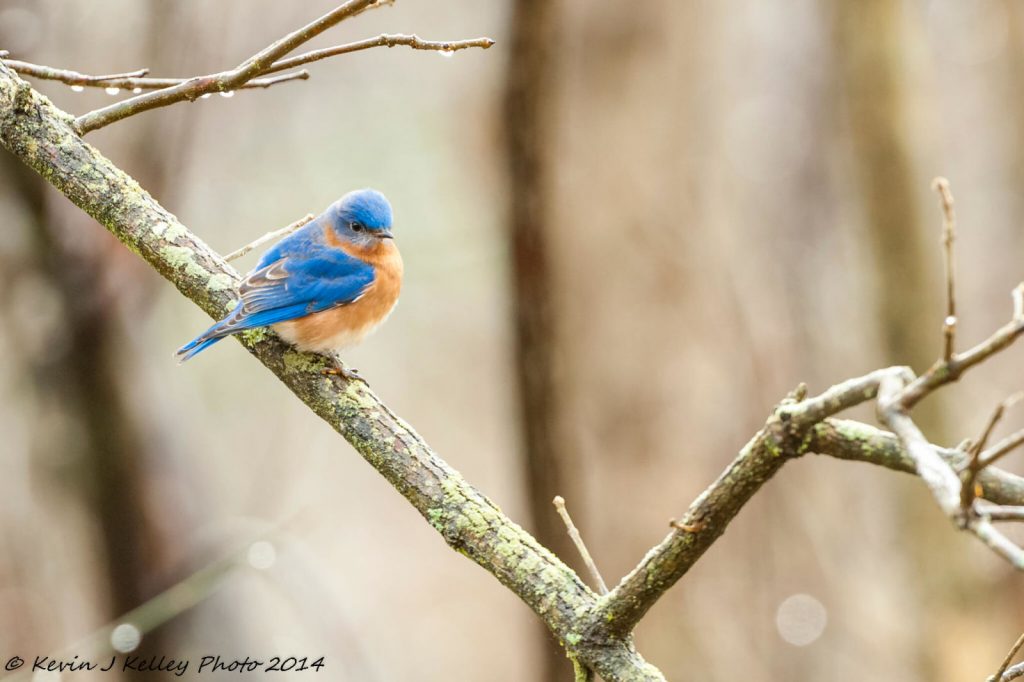
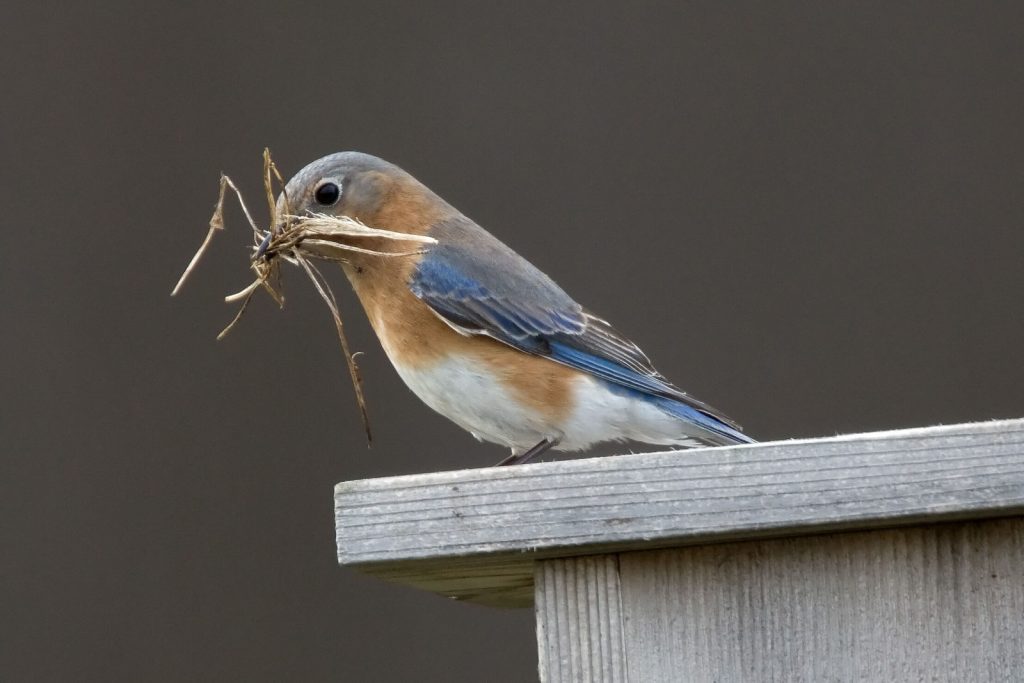
Eastern bluebirds are beautiful, well-known, popular song birds that live in eastern North America. These little birds are easily recognized by the male’s bright royal blue upper plumage, chest of reddish brown and white abdomen. The females is duller in color than the male, with grayer upperparts; but with an elegant look from the blue tinges to her wings. These bluebirds are the most common of the three bluebird species. Today many of the eastern bluebirds in North America nest in birdhouses intended for them on “bluebird trails.”
Eastern Bluebird Gallery
Animal Type
Bird
Also Known As:
Pink Flamingo, Rosy Flamingo
Diet Type:
Omnivore
Eats:
Molluscs, Aquatic or Marine Worms, Aquatic Crustaceans, Zooplankton, Algae
Lifespan:
40 – 60 Years
IUCN Red List Status:
Least Concern
Brief Description
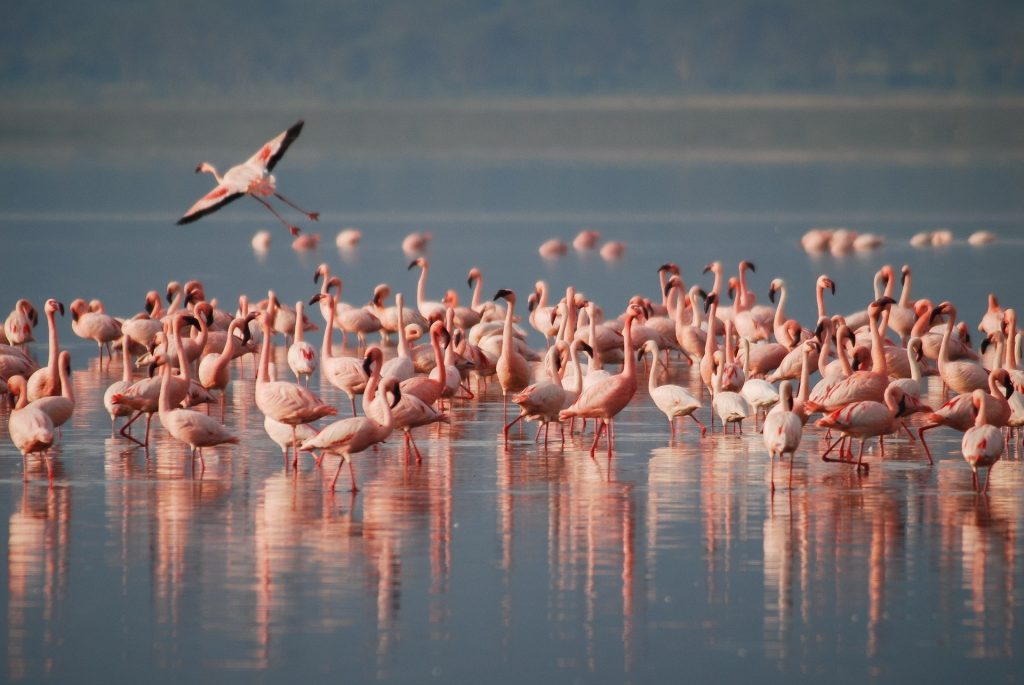
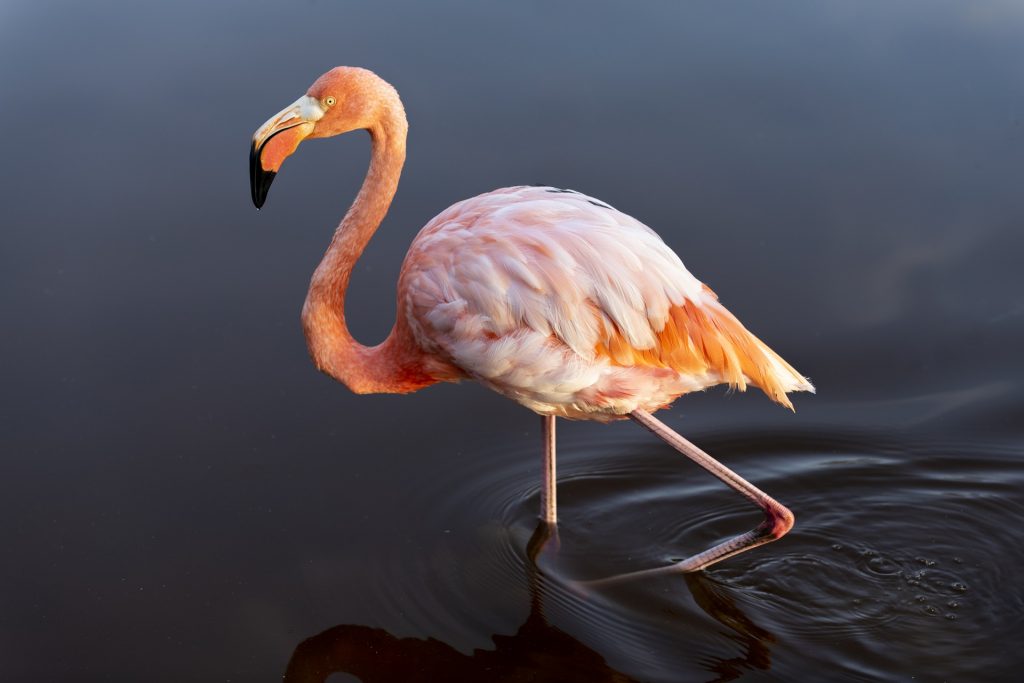
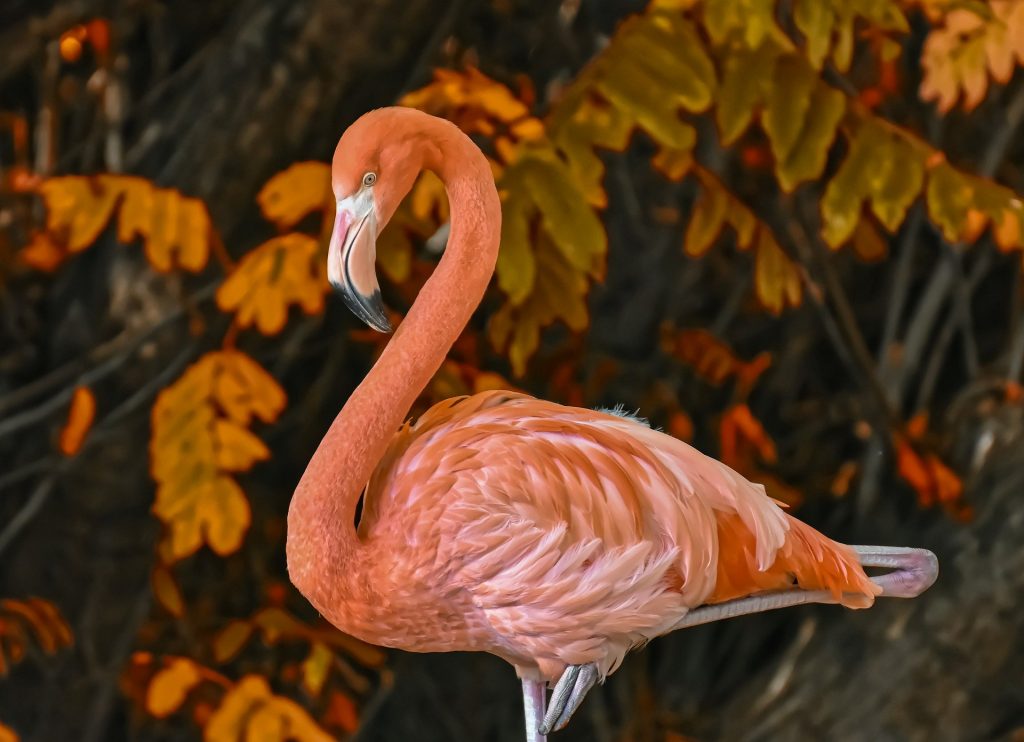
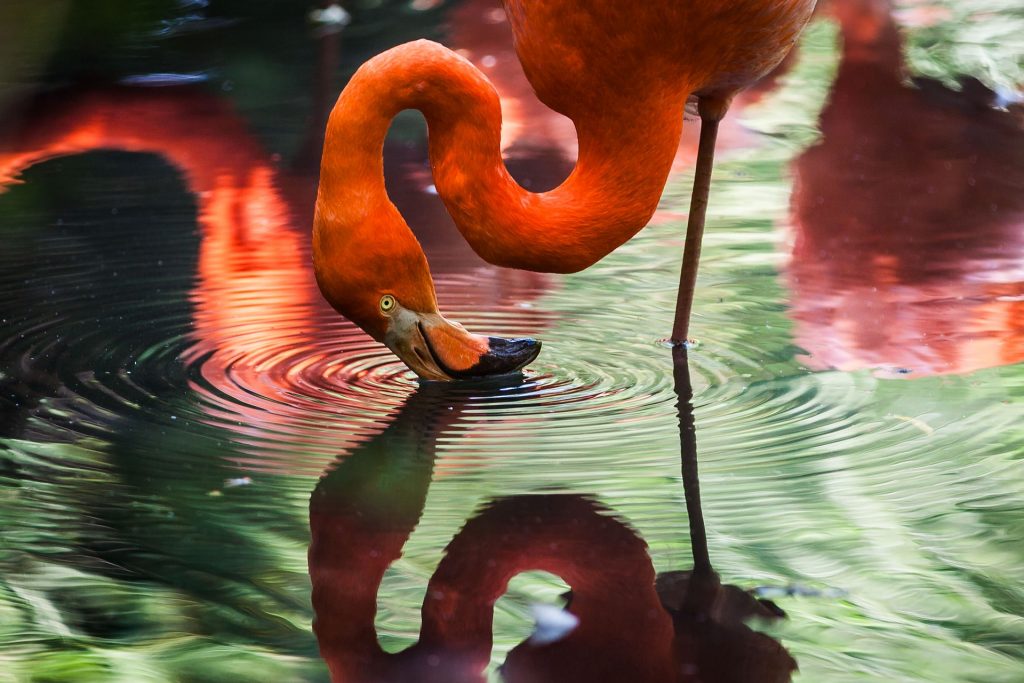
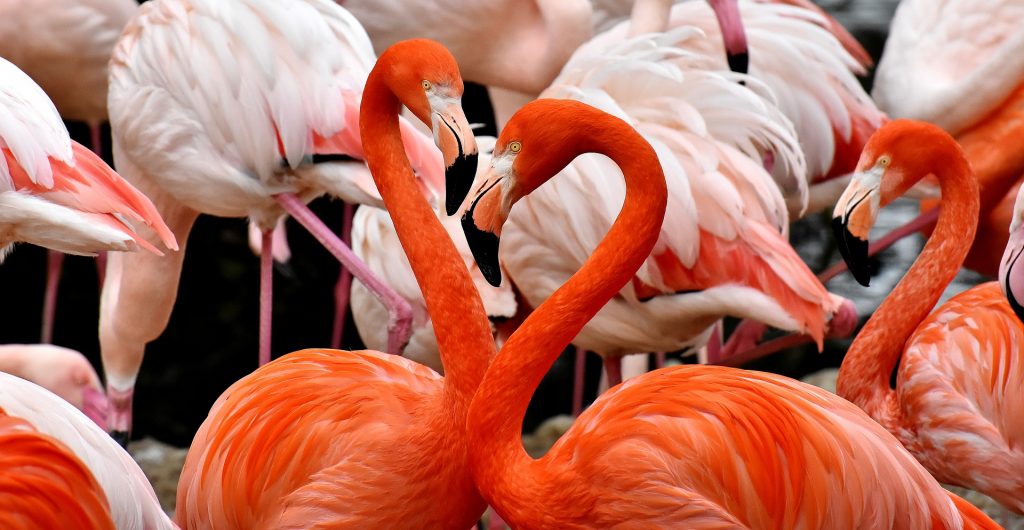
Out of the worlds six species of flamingo, Greater flamingos are the most widespread and common member of the flamingo family. Greater flamingos have an attractive coloration and appearance. Their feathers are pinkish/white, the wing coverts are red and the primary and secondary flight feathers are black. They have long pink bills with a black tip, yellow eyes and long pink legs. The male is bigger than the female, and juveniles have a grey-brown coloration, with some pink on their underparts, tail and wings, with the legs and beak being mainly brown.
Greater Flamingo Gallery