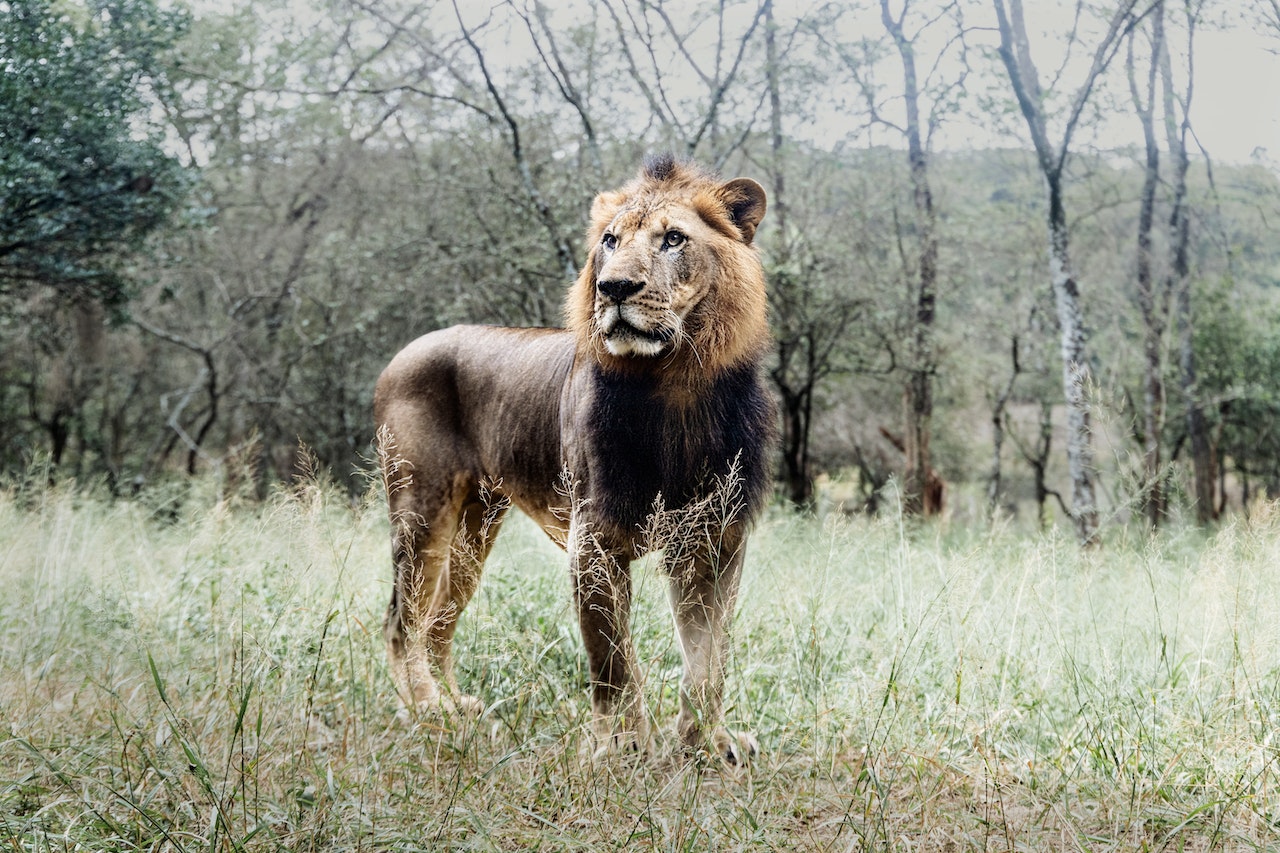
Are Lions Endangered?
From ancient myths to modern wildlife documentaries, lions have enthralled us with their noble presence. Yet, a cloud of concern looms over their future: Are lions endangered?
In this blog post, we delve into this question and explore the current state of lion populations, the challenges they face, and the conservation efforts underway to protect these magnificent creatures.
Understanding the Conservation Status
The conservation status of species is typically assessed by international organizations like the International Union for Conservation of Nature (IUCN).
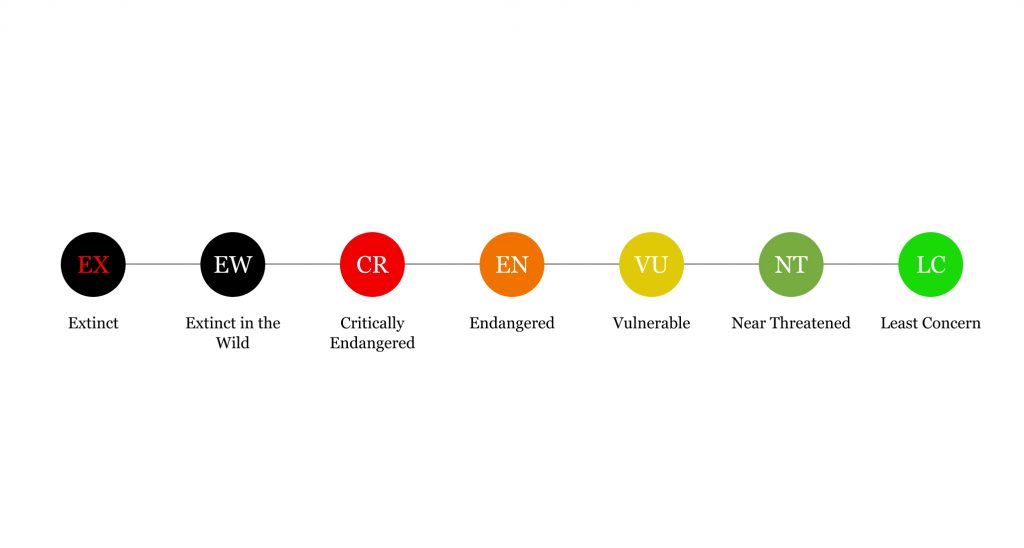
According to the IUCN Red List, lions are currently classified as “Vulnerable,” which means they are at a high risk of extinction in the wild. This designation highlights the need for attention and conservation efforts to ensure their survival.
Factors Affecting Lion Populations
Several factors contribute to the decline of lion populations. Habitat loss and fragmentation, primarily due to human activities such as agriculture and urbanization, have significantly impacted their range. This loss of suitable habitat reduces prey availability, forces lions into closer proximity with humans, and increases the likelihood of conflicts.
Another significant threat is poaching and illegal wildlife trade. Lions face persecution from trophy hunting, where their body parts are sought after as trophies or for use in traditional medicine.
Additionally, retaliatory killings due to conflicts with livestock owners pose a severe threat to lion populations.
Conservation Initiatives
To address the challenges faced by lions, various conservation initiatives are in place. Range countries, international organizations, and local communities are working together to protect lion populations and their habitats.
Efforts include the establishment of protected areas and national parks, where lions can thrive in a safe environment. Community-based conservation programs engage local communities in conservation practices, aiming to reduce human-wildlife conflicts and foster coexistence.
Collaborative projects focus on anti-poaching efforts, raising awareness about the importance of lions, and promoting responsible tourism practices. These initiatives not only contribute to lion conservation but also have positive impacts on the ecosystems and communities they inhabit.
Conclusion
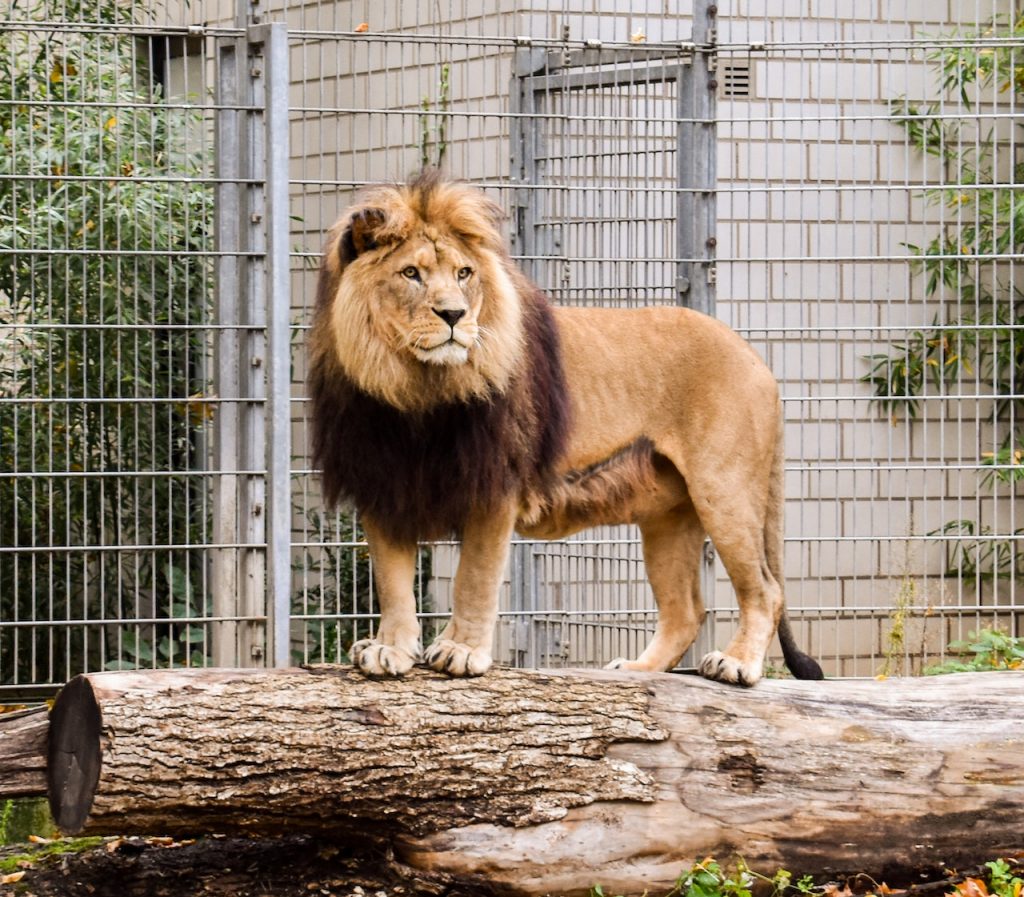
While the “Vulnerable” status of lions on the IUCN Red List raises concerns, it also serves as a call to action. The conservation community and stakeholders worldwide are working tirelessly to safeguard these magnificent animals and preserve their natural habitats.
By supporting conservation initiatives, spreading awareness, and advocating for responsible practices, we can contribute to securing a brighter future for lions and ensure that future generations will continue to witness the regal presence of these awe-inspiring creatures in the wild.
]]>
How many teeth do cats have?
Have you ever wondered how many teeth your cat has hidden behind that mischievous smile? We often find ourselves marvelling at their adorable antics and razor-sharp claws. Still, their teeth are an equally intriguing aspect of their anatomy.
As proud owners of these enigmatic creatures, let’s delve into the captivating world of feline dentition and uncover the astonishing number of cat teeth beneath those whiskers.
The Basics of Cat Dentition
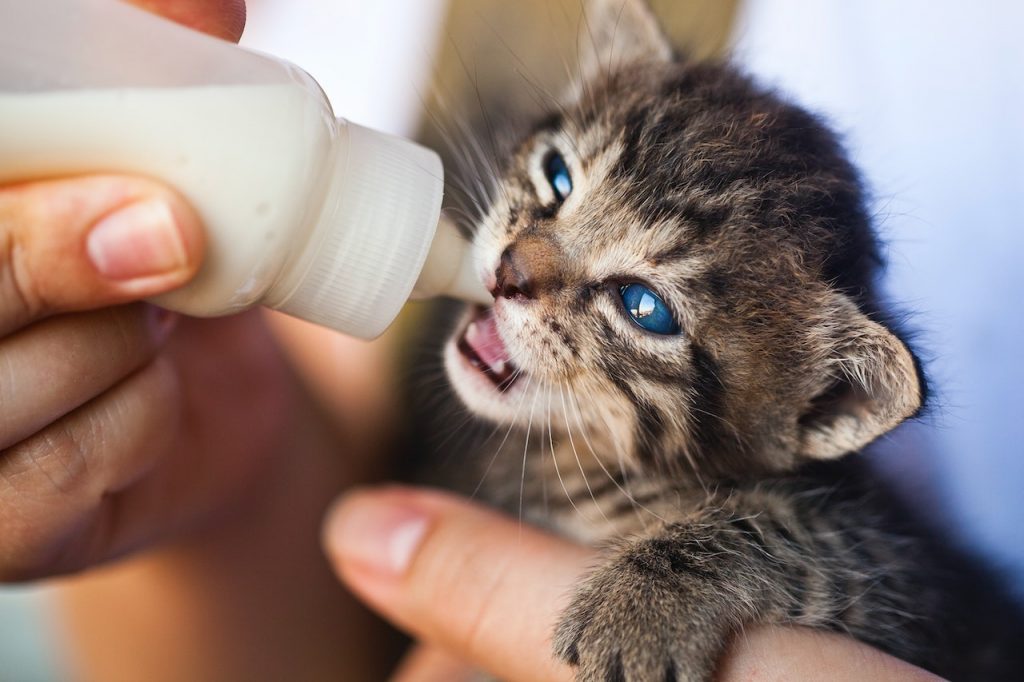
Cats have two sets of teeth throughout their lives, much like humans and many other animals. They start off with a set of deciduous (baby) teeth as kittens. Six incisors, two canines, and six premolars in each jaw make up the average kitten’s 26 baby teeth.
When the kitten is three to four weeks old, the eruption of its baby teeth, which are smaller and more sensitive than its adult teeth, begins. These baby teeth progressively disappear as the kitten ages, leaving a place for the advent of its permanent teeth.
Typical Amount of Cat Teeth
Once the deciduous teeth have shed, cats develop a set of adult teeth. Adult cats have a total of 30 teeth, which consist of six incisors, two canines, eight premolars, and four molars in the upper jaw, and six incisors, two canines, six premolars, and two molars in the lower jaw. The adult teeth are larger, stronger, and more suited to a cat’s needs as a carnivorous predator.
The adult cat teeth should be properly maintained through regular dental care, including brushing, dental check-ups, and appropriate chewing materials, to ensure the cat’s oral health and overall well-being.
Teething in Kittens
Teething is a natural and important process that kittens go through as they transition from their milk-based diet to consuming solid foods.
Just like human babies, kittens experience teething, which involves the eruption of their deciduous (baby) teeth and the subsequent replacement with their permanent teeth. This developmental milestone can be a bit challenging for both kittens and their owners, but understanding the process can help make it easier for everyone involved.
The teething process typically begins when kittens are around three to four months old and continue until they are about six to nine months old. During this time, their deciduous teeth start to loosen and fall out, making way for the eruption of their permanent teeth.
This process can cause discomfort and irritability in kittens, leading to increased chewing behaviour and a strong urge to bite and gnaw on objects.

To help alleviate their discomfort, it’s important to provide appropriate chew toys specifically designed for teething kittens. These toys are typically made of soft rubber or fabric materials that are gentle on their developing gums. Chewing on these toys not only helps soothe their sore gums but also aids in loosening and shedding their baby teeth naturally.
Problems during Teething
Teething can occasionally present some challenges for both kittens and their owners. A common problem that can arise during teething is retained baby teeth. In some cases, the baby teeth may not fall out as the permanent teeth emerge, leading to a condition called retained deciduous teeth. This can result in overcrowding or misalignment of the teeth, potentially causing dental issues in the future.
If you notice that your kitten’s baby teeth are not falling out as expected, it’s advisable to consult with a veterinarian. They can examine the kitten’s mouth and determine if any intervention, such as tooth extraction, is necessary to prevent complications and ensure proper dental development.
Conclusion
Cats possess an intriguing dental structure that aligns with their carnivorous nature. With 30 cat teeth, including incisors, canines, premolars, and molars, these remarkable creatures are well-equipped for hunting and consuming their prey.
Taking care of your cat’s dental health is crucial for its overall well-being, so be sure to provide regular dental care and seek professional assistance when necessary.
By maintaining proper dental hygiene, you can help your feline companion maintain a healthy and happy smile for years to come.
]]>
Why Bird Egg Sizes Matter
Of all Nature’s engineering feats, few are more remarkable than the egg. Precision-tailored over ages to suit the needs of each species.
How an egg’s shape helps protect the embryo
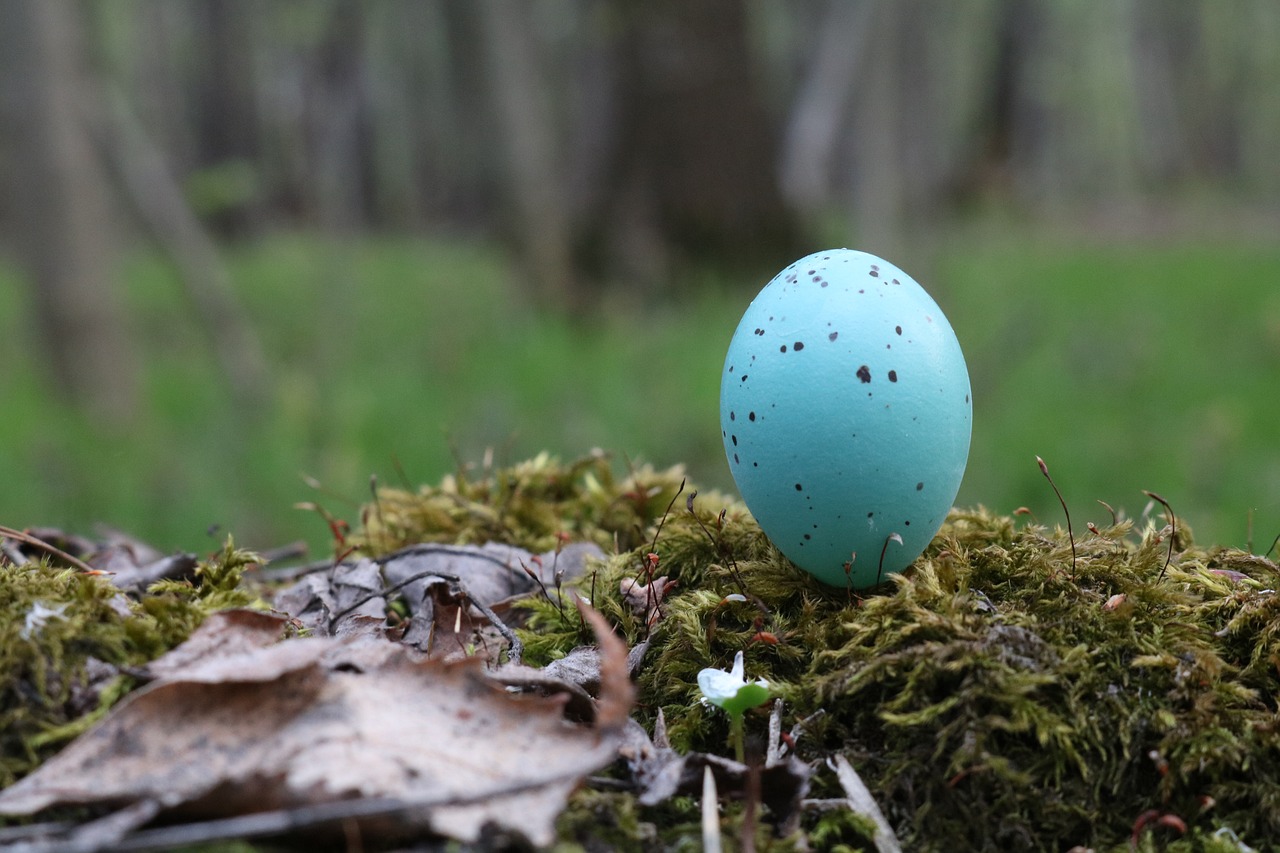
Although all bird’s eggs are oval, there are significant differences between those laid by various species. The more rounded types, for example are generally laid by birds that nest in holes, or in deep cups where their rolling will not cause problems.
Owl’s eggs are rounder than most, and the eggs of swifts and swallows are long and narrow. Birds such as guillemots, which nest on precipitous rock ledges, lay sharply tapered eggs that roll in tight circles, and which have shells that are thickened at the pointed end.
The hard shell of a bird’s egg is a defence against predators. An inexperienced predator may be discouraged by the difficulty of picking up an object that is so smooth, hard and round. Turtle’s eggs, on the other hand, are soft and have a leathery shell. As they are buried in the sand until they hatch, a hard shell is no benefit to them.
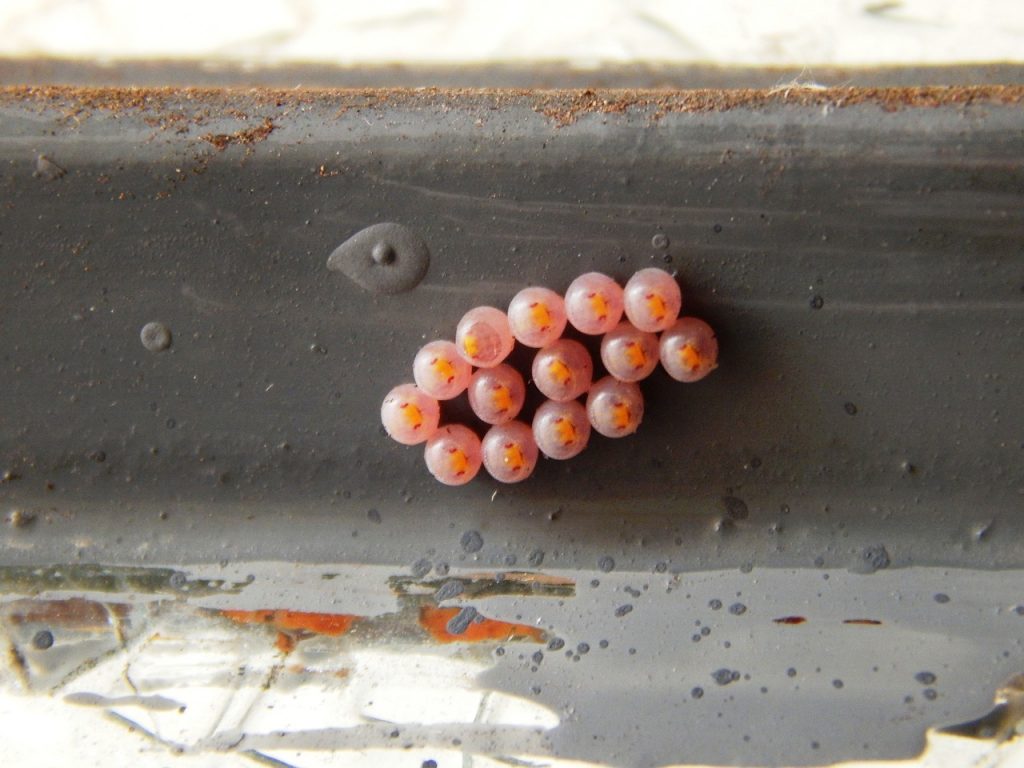
Insects can lay their eggs almost anywhere, because their eggs have very efficient life-supporting systems. Most have a surface structures so that it traps a layer of air, enabling the embryo developing within to breathe, no matter where the egg has been laid. Insects can therefore deposit their eggs near a food supply and then abandon them.
This may be the reason why further parental care is so rare in the insect world. Among the least caring of insect parents must be the sepsid fly, which lay its eggs in cowpats. Inside, the atmosphere must be suffocating, but each egg is equipped with a long breathing tube that protrudes trough the surface of the dung.
Eggs burden small birds more than big ones
The largest bird’s egg ever laid is believed to have been that of the elephant bird of Madagascar, now extinct. This 10 ft (3 m) tall creature produced eggs that tipped the scales at 24 lb (11 kg). Today’s largest bird is the African ostrich, whose 6 ft (1.8 m) tall females lay eggs weighing about 3 lb (1.4 kg).
But if egg weight is related to bird size, the performance of some of the smaller birds is even more impressive. Large though it is, an ostrich egg represents only one percent of the female’s body weight. But though the smallest bird, the Cuban bee hummingbird, lays eggs that are no bigger than six peas, they represent over six percent of the female’s body weight.
In other words, were it ostrich-sized, its eggs would be six times heavier than those of the ostrich. Even more remarkable is the fact that the bee hummingbird flies while carrying his weight, whereas the burden of the flightless ostrich requires far less effort.
Usually, the size of a bird’s egg is determined by the size of the bird, although differing lifestyles can lead to modifications, Waders and game birds, for instance, lay larger eggs than many birds of similar size because their chicks leave the nest for hatching.
The chicks then start to forage for themselves, so need to be well developed. But species whose chicks stay in the nest and are fed for some time by their parents produce smaller eggs.
Eggs burden small birds more than big ones
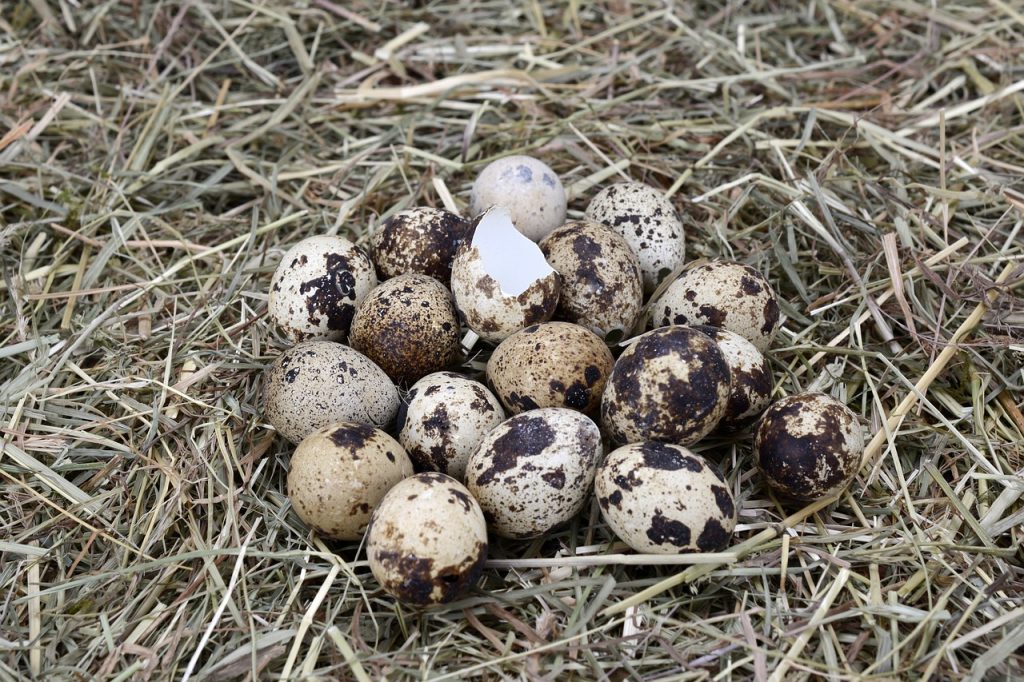
Birds’ eggs their colour from pigments laid on the egg shell while it is within the female. Birds whose eggs are stationary in the oviduct while colours are being deposited have spotted eggs, but those species whose eggs move about have streaked colouration.
Birds that build cup-shaped nests in trees often lay pale blue eggs, and for a long time it was believed that this pale blue colour was designed to imitate spot of the sun on the leaves and so confuse predators. Recent studies, however, have disproved this theory; they show that the colour of the egg makes little difference because predators usually find the nest before they have seen the eggs.
Birds that nest in the holes and those that sit tight when danger threatens often have white or unmarked eggs. So do birds like ducks and geese, which hide their eggs beneath their own feathers or cover them with vegetation when they leave the nest to feed.
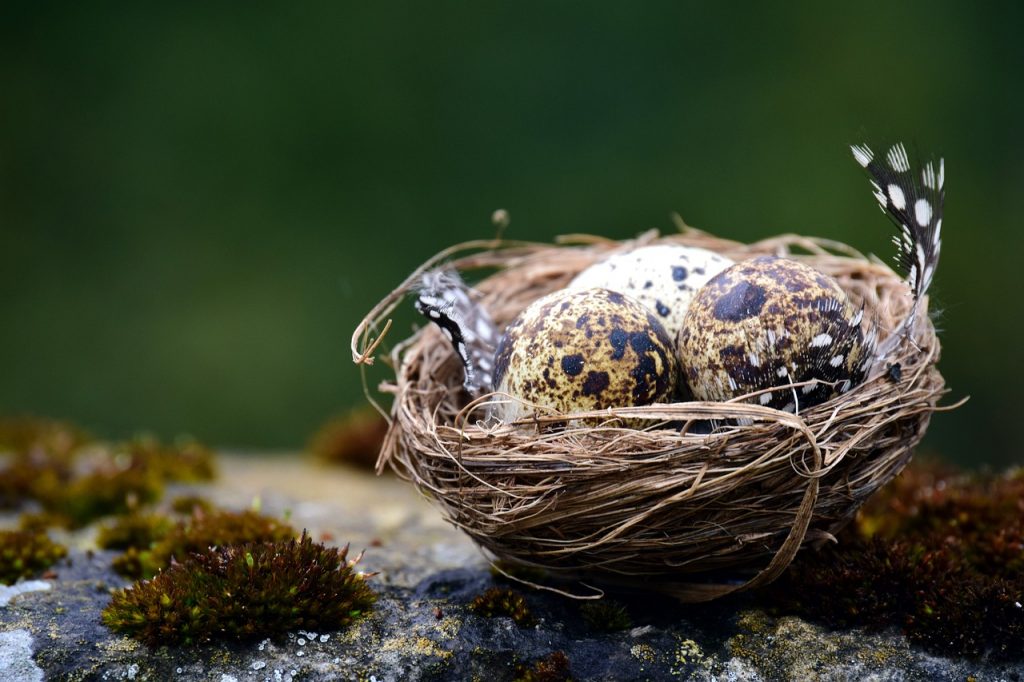
Egg camouflage is most highly developed among birds such as the lapwing, which try to lead predators away from the nest, and in so doing leave the eggs unattended. Their eggs are patterned with spots and blotches in colours that blend with the background, breaking up the outlines and making them very difficult to pick out.
For cuckoos, egg patters is particularly important because they have to lay the eggs that look like their host’s. Though cuckoos produce a range of patterns, an individual female can lay only one pattern of egg. She probably inherits the egg pattern from her mother, and then chooses the right nest by finding the species that raised her.
]]>See Also:
Temperate, Alpine, Cold, Ice Caps, Polar, Subarctic, Oceanic
Tundra is a type of biome where the growth of trees are hindered by low temperatures and short growing seasons. Tundra vegetation is composed of dwarf shrubs, sedges and grasses, mosses, and lichens. Scattered trees tend to grow in some tundra regions. The soil in a tundra biome is rich in nitrogen and phosphorous.
Tundra climates as a rule are hostile to woody vegetation even where the winters are comparatively mild by polar standards, as in Iceland.
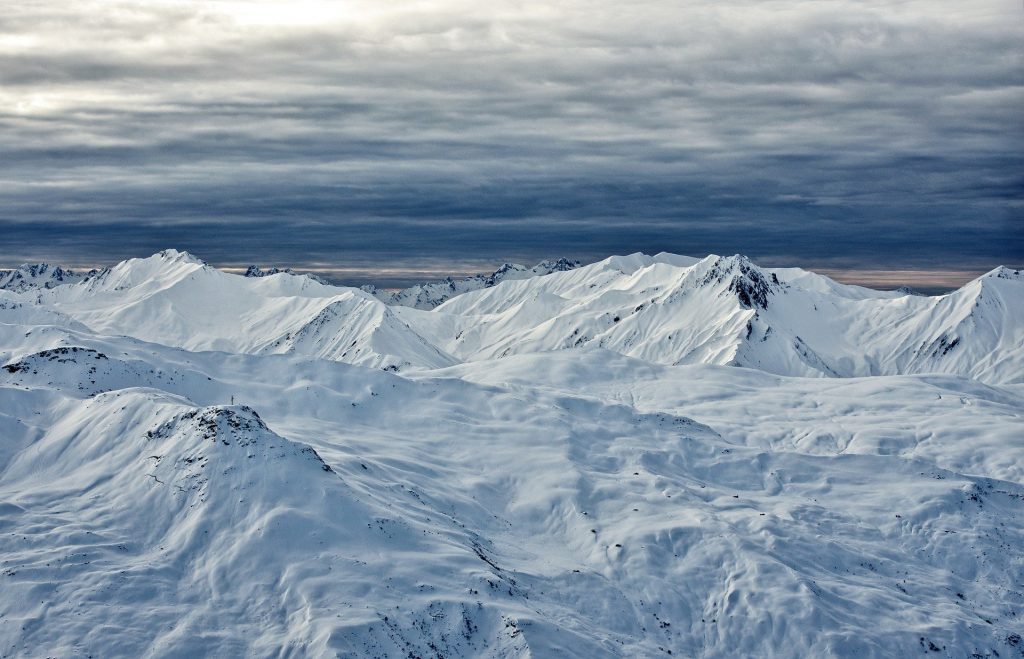
There are three regions and associated types of tundra: Arctic Tundra, Alpine Tundra, and Antarctic Tundra.
Arctic Tundra
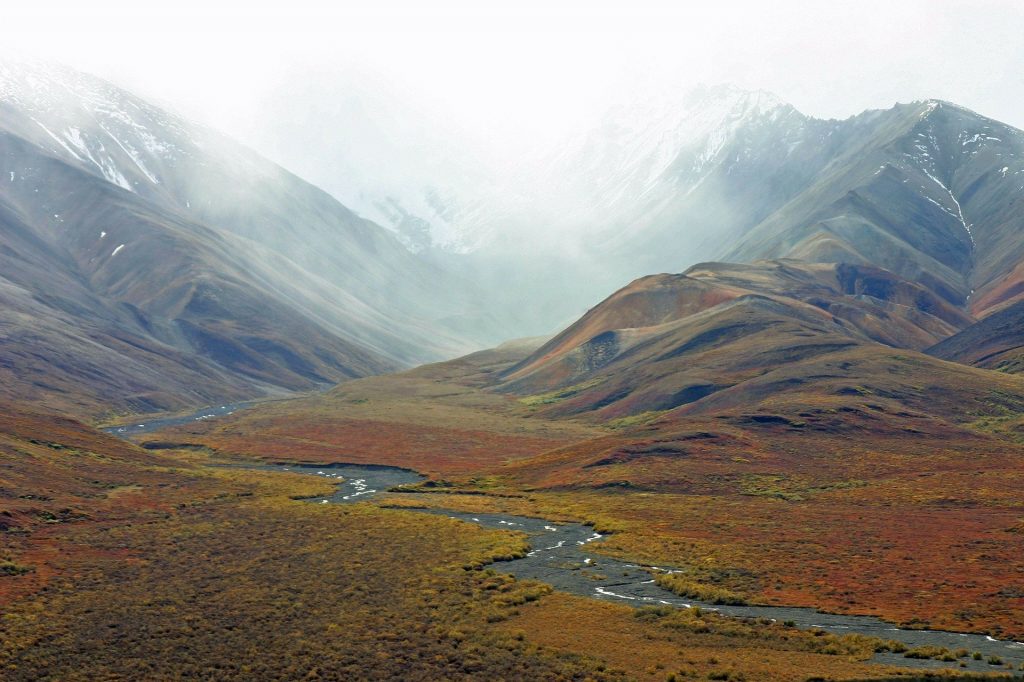
Arctic tundra occurs in the far Northern Hemisphere, north of the taiga belt. The word “tundra” usually refers only to the areas where the subsoil is permafrost, or permanently frozen soil. Permafrost tundra includes vast areas of northern Russia and Canada.
Arctic tundra contains areas of stark landscape and is frozen for much of the year. The soil there is frozen from 25 – 90 cm (10 to 35 in) down, making it impossible for trees to grow. Instead, bare and sometimes rocky land can only support certain kinds of arctic vegetation, low growing plants such as moss, heath, and lichen.
There are two main seasons, winter and summer, in the polar tundra areas. During the winter it is very cold and dark, with the average temperature around -28 °C (-18 °F), sometimes dipping as low as -50 °C (-58 °F). During the summer, temperatures rise somewhat and the top layer of seasonally-frozen soil melts, leaving the ground very soggy. The tundra is covered in marshes, lakes, bogs and streams during the warm months. Generally daytime temperatures during the summer rise to about 12 °C (54 °F) but can often drop to 3 °C (37 °F) or even below freezing. Arctic tundras are sometimes the subject of habitat conservation programs. In Canada and Russia, many of these areas are protected through a national Biodiversity Action Plan.
Tundra tends to be windy, with winds often blowing upwards of 50 – 100 km/h (30 – 60 mph). However, it is desert-like, with only about 150 – 250 mm (6 – 10 in) of precipitation falling per year. Although precipitation is light, evaporation is also relatively minimal. During the summer, the permafrost thaws just enough to let plants grow and reproduce, but because the ground below this is frozen, the water cannot sink any lower, and so the water forms the lakes and marshes found during the summer months. There is a natural pattern of accumulation of fuel and wildfire which varies depending on the nature of vegetation and terrain. Research in Alaska has shown fire-event return intervals (FRIs) that typically vary from 150 to 200 years, with dryer lowland areas burning more frequently than wetter highland areas.
The biodiversity of tundra is low: 1,700 species of vascular plants and only 48 species of land mammals can be found, although millions of birds migrate there each year for the marshes. There are also a few fish species. Notable animals in the Arctic tundra include reindeer, musk ox, arctic hare, arctic fox, snowy owl, lemmings, and even polar bears near the ocean. Tundra is largely devoid of poikilotherms such as frogs or lizards.
Due to the harsh climate of Arctic tundra, regions of this kind have seen little human activity, even though they are sometimes rich in natural resources such as petroleum, natural gas and uranium. In recent times this has begun to change in Alaska, Russia, and some other parts of the world: for example, the Yamalo-Nenets Autonomous Okrug produces 90% of Russia’s natural gas.
The Effects of Global Warming
A severe threat to tundra is global warming, which causes permafrost to melt. The melting of the permafrost in a given area on human time scales (decades or centuries) could radically change which species can survive there.
Another concern is that about one third of the world’s soil-bound carbon is in taiga and tundra areas. When the permafrost melts, it releases carbon in the form of carbon dioxide and methane, both of which are greenhouse gases. The effect has been observed in Alaska. In the 1970s the tundra was a carbon sink, but today, it is a carbon source. Methane is produced when vegetation decays in lakes and wetlands.
In locations where dead vegetation and peat has accumulated, there is a risk of wildfire, such as the 1,039 km2 (401 sq mi) of tundra which burned in 2007 on the north slope of the Brooks Range in Alaska. Such events may both result from and contribute to global warming.
Antarctic Tundra
Antarctic tundra occurs on Antarctica and on several Antarctic and subantarctic islands, including South Georgia and the South Sandwich Islands and the Kerguelen Islands. Most of Antarctica is too cold and dry to support vegetation, and most of the continent is covered by ice fields. However, some portions of the continent, particularly the Antarctic Peninsula, have areas of rocky soil that support plant life. The flora presently consists of around 300–400 lichens, 100 mosses, 25 liverworts, and around 700 terrestrial and aquatic algae species, which live on the areas of exposed rock and soil around the shore of the continent. Antarctica’s two flowering plant species, the Antarctic hair grass and Antarctic pearlwort, are found on the northern and western parts of the Antarctic Peninsula.
In contrast with the Arctic tundra, the Antarctic tundra lacks a large mammal fauna, mostly due to its physical isolation from the other continents. Sea mammals and sea birds, including seals and penguins, inhabit areas near the shore, and some small mammals, like rabbits and cats, have been introduced by humans to some of the subantarctic islands. The Antipodes Subantarctic Islands tundra ecoregion includes the Bounty Islands, Auckland Islands, Antipodes Islands, the Campbell Island group, and Macquarie Island. Species endemic to this ecoregion include Nematoceras dienemum and Nematoceras sulcatum, the only subantarctic orchids; the royal penguin; and the Antipodean albatross.
The flora and fauna of Antarctica and the Antarctic Islands (south of 60° south latitude) are protected by the Antarctic Treaty.
Alpine Tundra
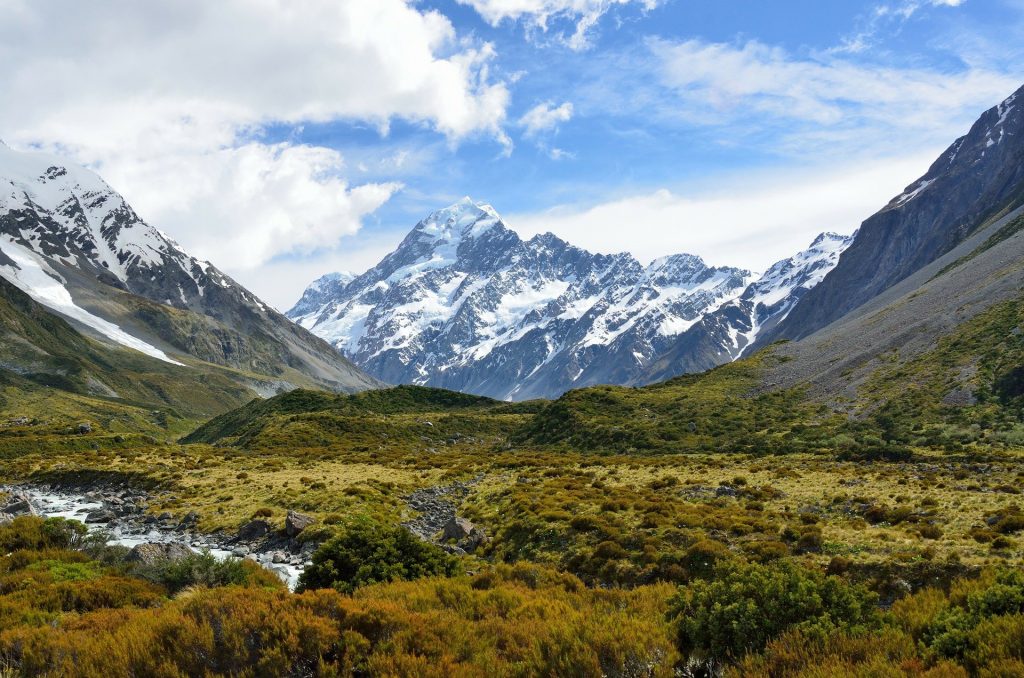
Alpine tundra does not contain trees because the climate and soils at high altitude block tree growth. The cold climate of the alpine tundra is caused by the low air temperatures, and is similar to polar climate. Alpine tundra is distinguished from arctic tundra in that alpine tundra typically does not have permafrost, and alpine soils are generally better drained than arctic soils. Alpine tundra transitions to subalpine forests below the tree line; stunted forests occurring at the forest-tundra ecotone (the treeline) are known as Krummholz.
Alpine tundra occurs in mountains worldwide. The flora of the alpine tundra is characterized by plants that grow close to the ground, including perennial grasses, sedges, forbs, cushion plants, mosses, and lichens. The flora is adapted to the harsh conditions of the alpine environment, which include low temperatures, dryness, ultraviolet radiation, and a short growing season.
]]>Also Known As:
Northern Bluefin Tuna, Giant Bluefin Tuna, Tunny
Water Type:
Saltwater
Body of Water Found In:
Atlantic Ocean
Food Source:
Crustaceans, Squid, Eels, Zooplankton, Kelp
Lifespan:
15 Years
IUCN Red List Status:
Endangered
Brief Description
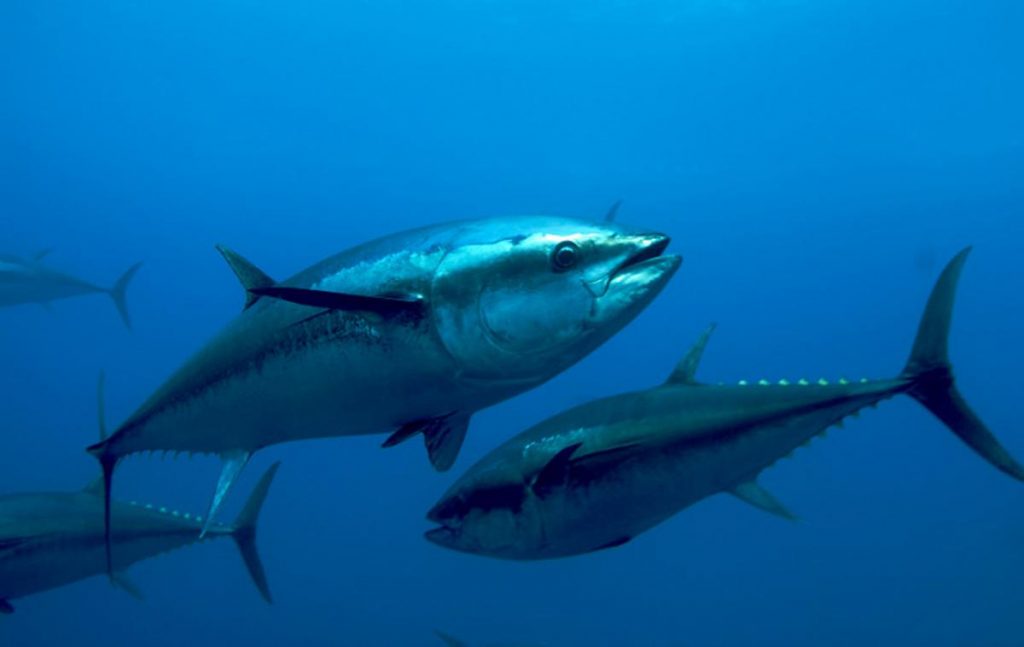
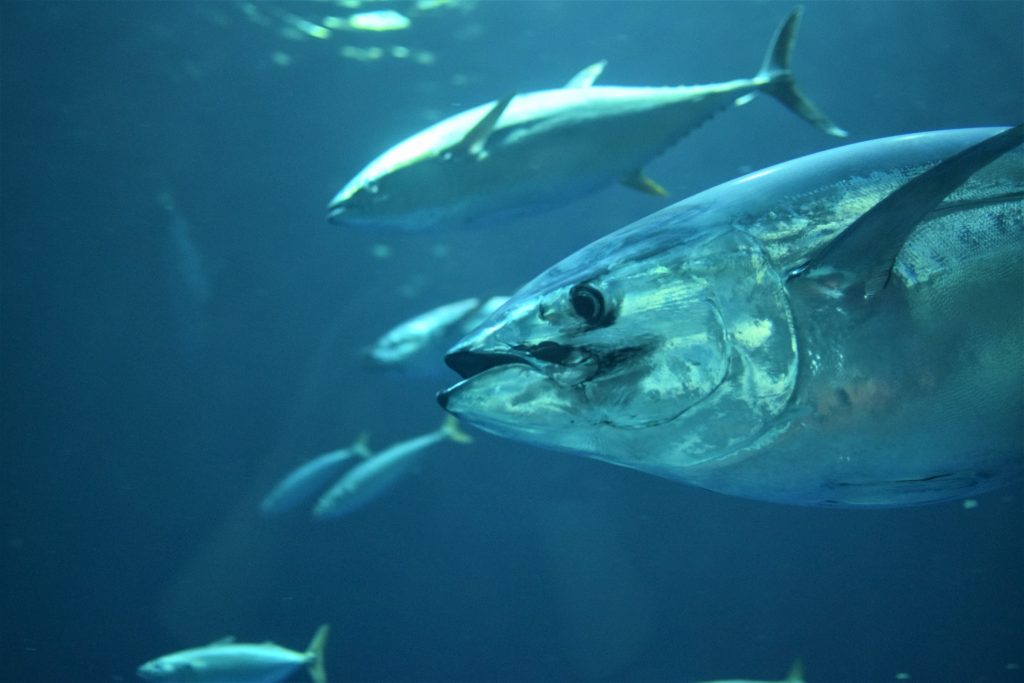
The Atlantic bluefin tuna is one of the open ocean’s quickest and most powerful predators, and it’s the target of a number of local and large-scale fisheries across its range. Weights of up to 2000 pounds (900 kg) and lengths of over 15 feet (4.6 m) have been recorded in the past.
The Atlantic bluefin tuna is the world’s biggest tuna and the mackerel family’s largest species. Atlantic bluefin tuna consume a wide range of food, although they appear to favour pelagic fish and crustaceans that they can swallow whole.
Atlantic Bluefin Tuna Gallery
Also Known As:
Lake Trout
Water Type:
Freshwater
Bodies of Water Found In:
Lakes, Rivers, Streams
Food Source:
Invertebrates, Larvae, Crustaceans, Small Fish, Voles, Mice
Lifespan:
20 Years
IUCN Red List Status:
Vulnerable
Brief Description
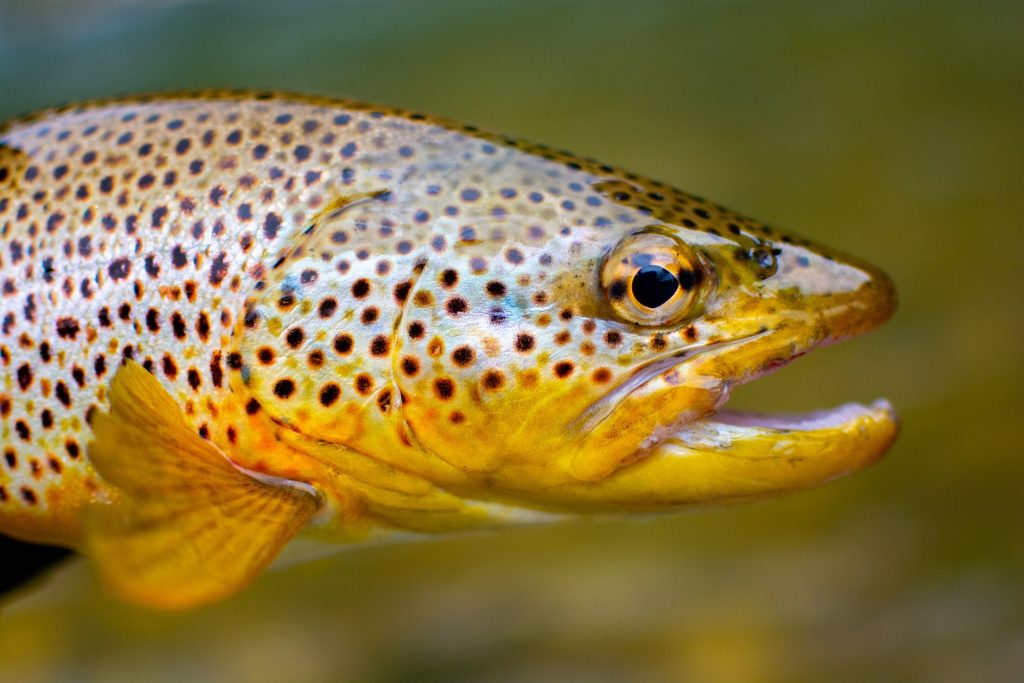
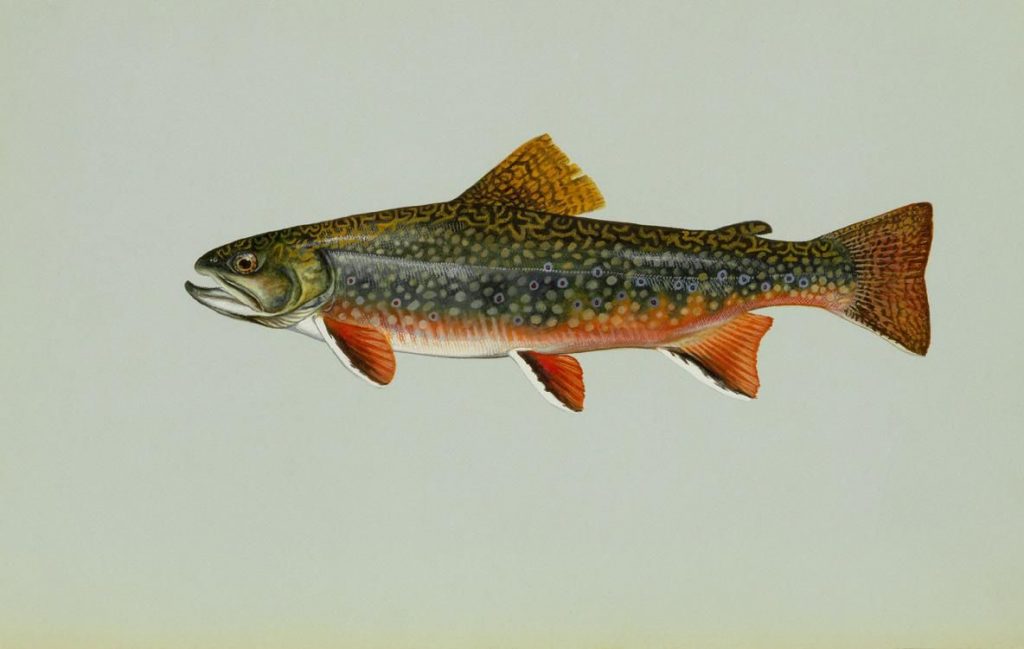
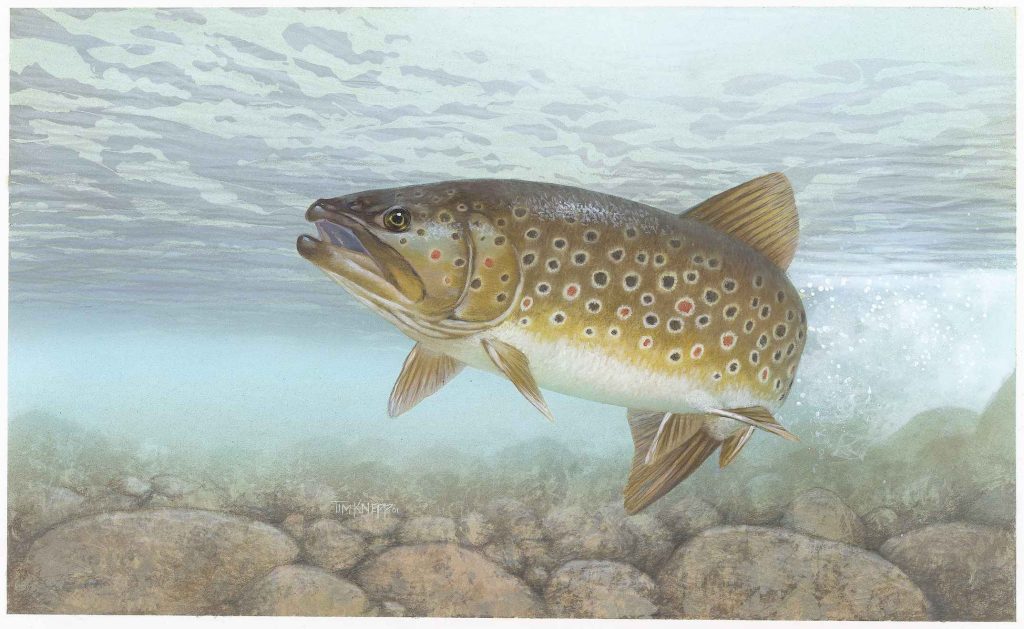
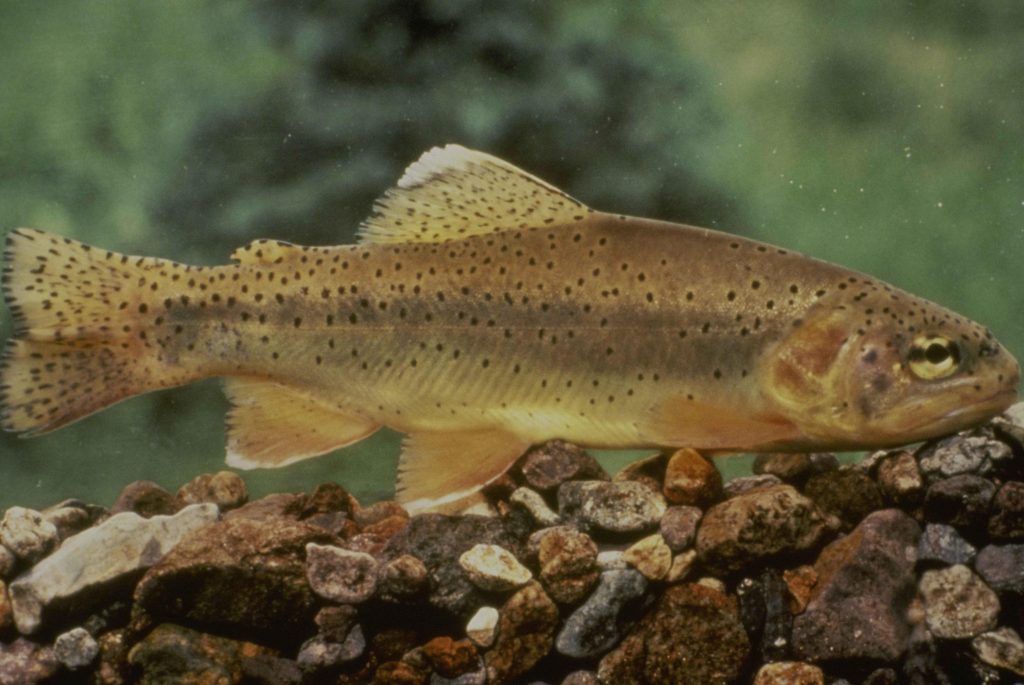
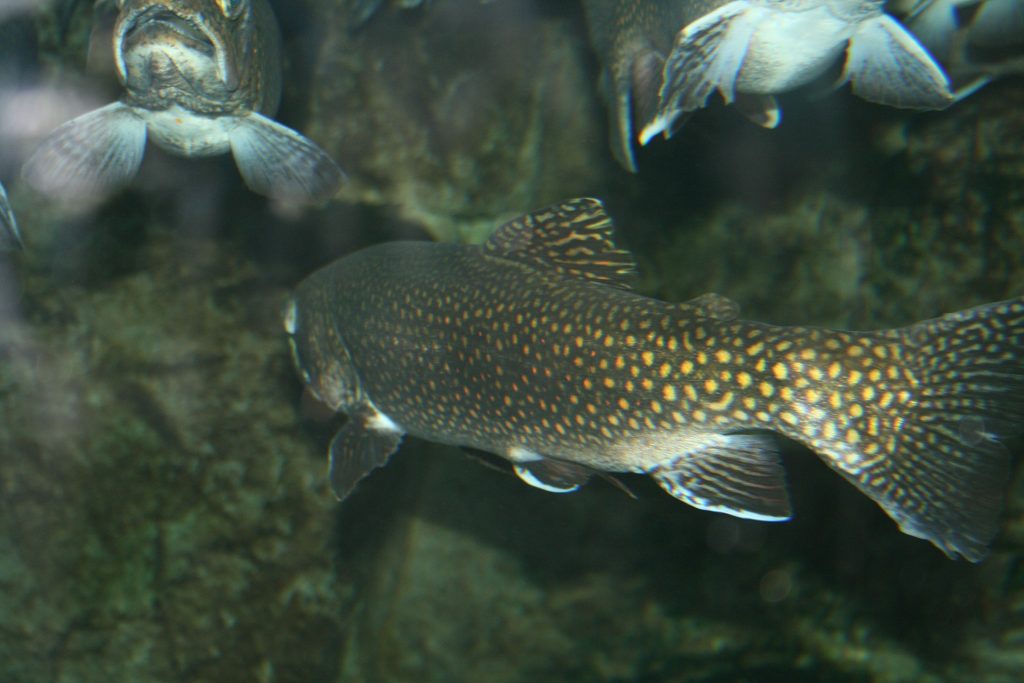
The Brown Trout is a European species of salmonid fish that has been widely introduced into suitable environments globally. Brown Trout are very adaptable and are so varied that they are assigned to at least 50 separate species.
As the name suggests, brown trout are brown in colour, which varies from light silvery brown to the more common bolden brown hue. They have darker spots on their backs and sides, with pale bellies.
Brown Trout Gallery
Animal Type:
Reptile
Also Known As:
Komodo Monitor, Land Crocodile, Giant Monitor
Diet Type:
Carnivore, Scavenger
Eats:
Carrion, Invertebrates, Reptiles, Birds, Bird Eggs, Monkeys, Wild Boar, Goats, Deer, Horses, Water Buffalo
Lifespan:
30 Years
IUCN Red List Status:
Vulnerable
Brief Description
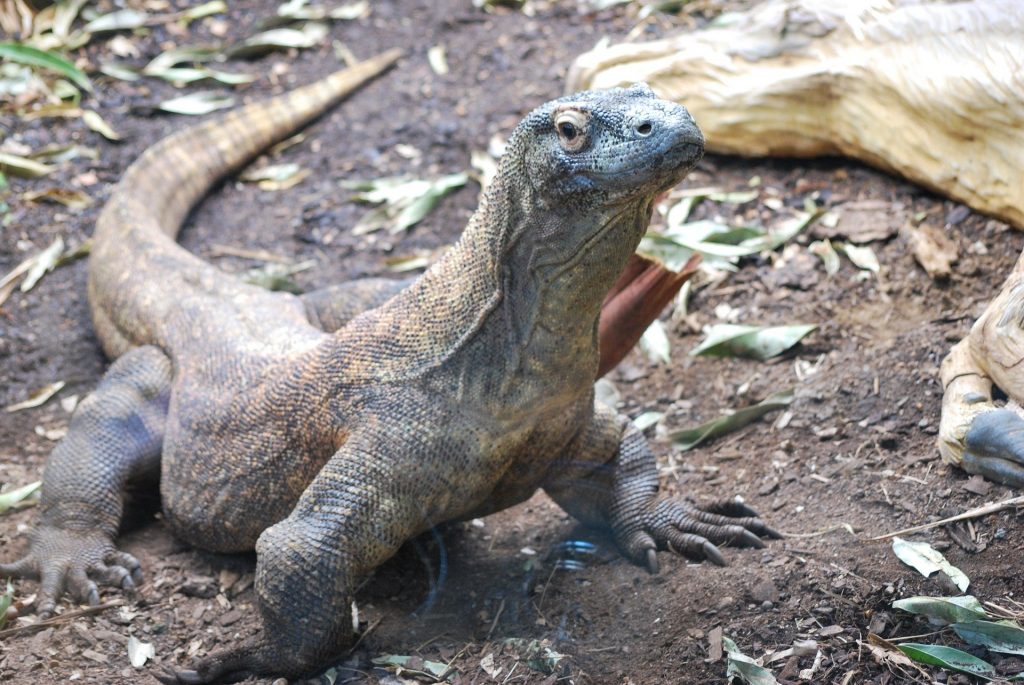
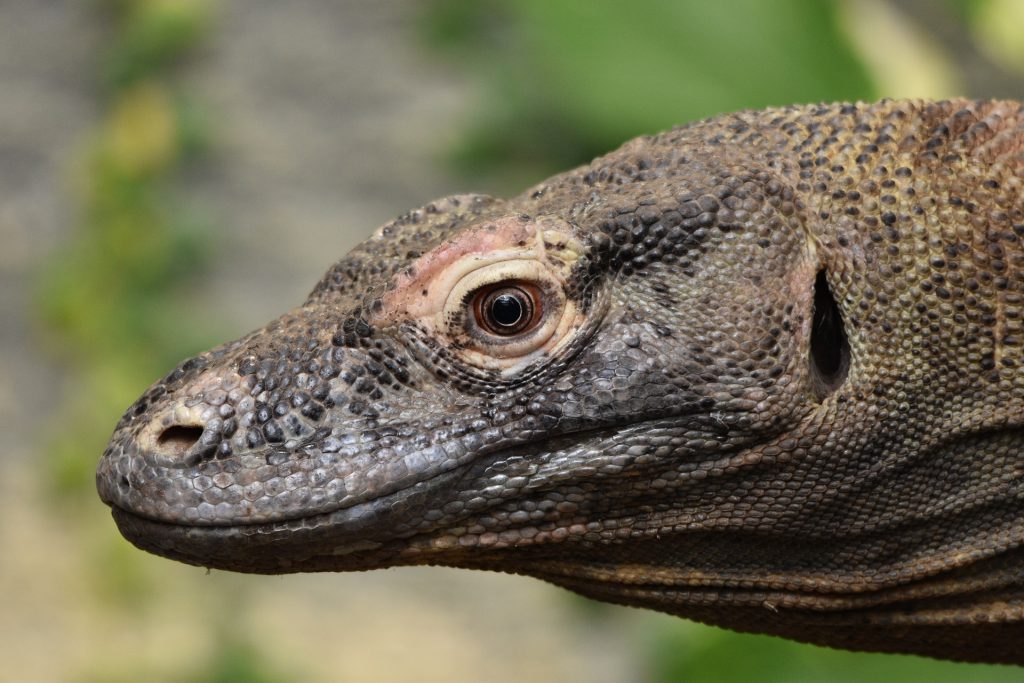
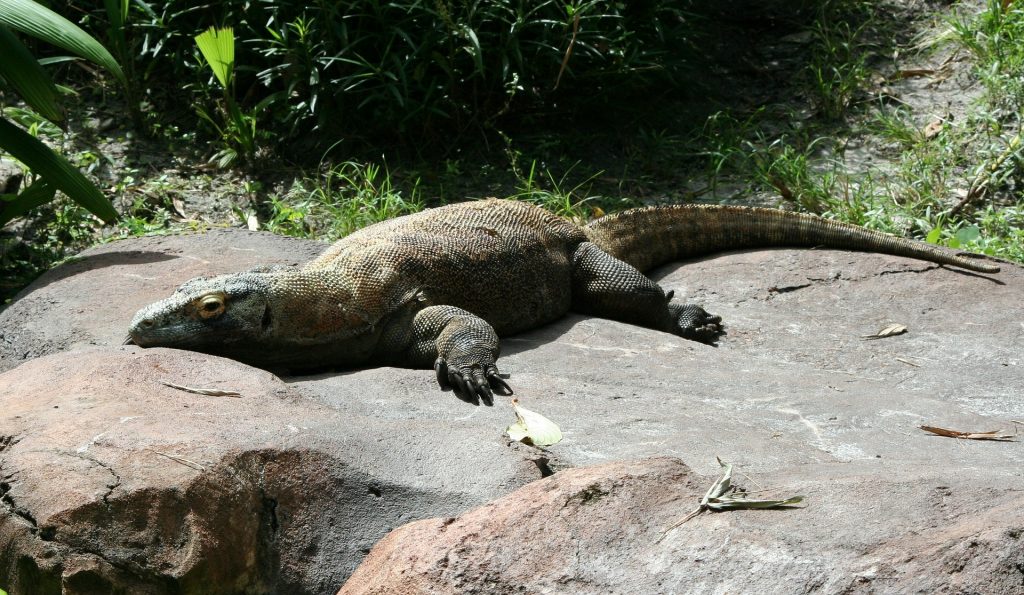
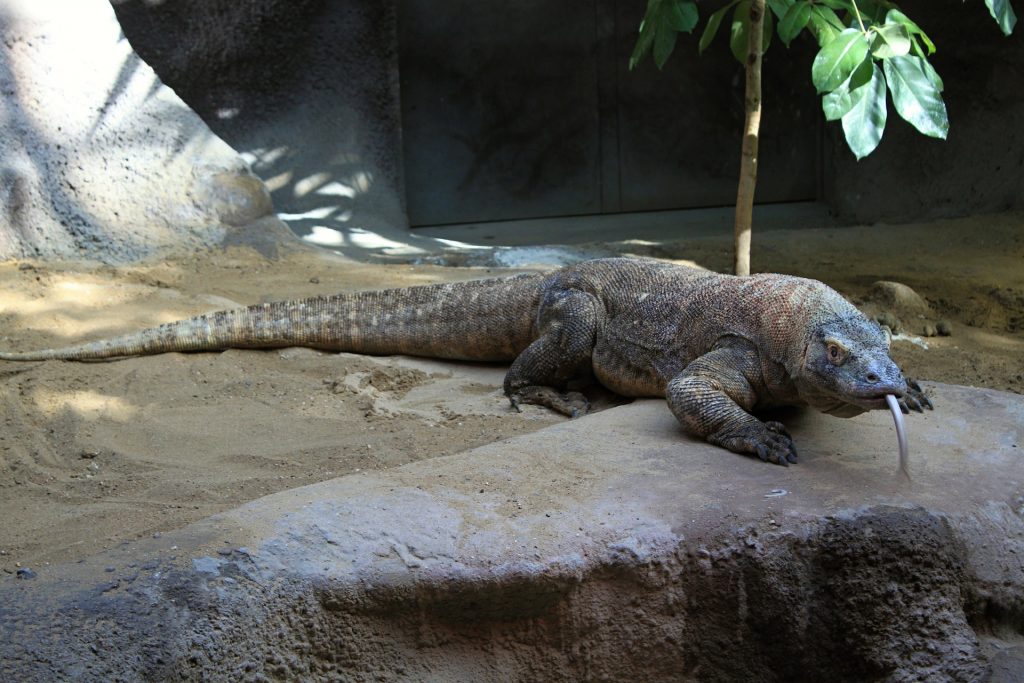
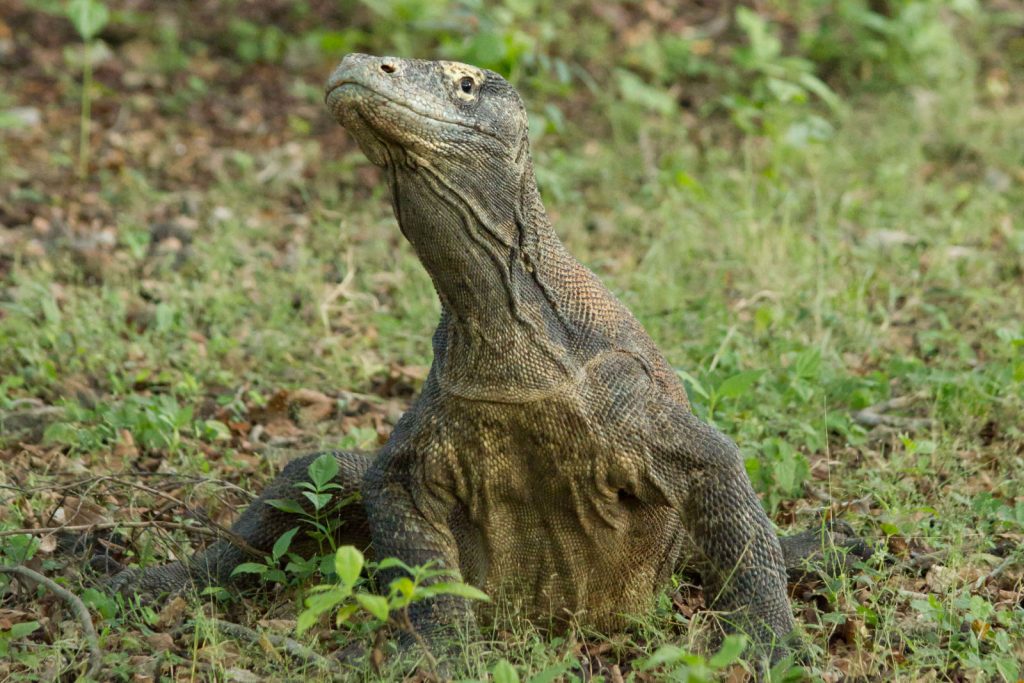
The Komodo dragon is the largest and heaviest lizard in the world. These lizards have a venomous bite and their group behavior in hunting is exceptional in the reptile world. Komodo dragons have a tail as long as their body and a long, yellow, deeply forked tongue. Their skin is usually gray in color reinforced by armored scales, which contain tiny bones called osteoderms that function as a sort of natural chain-mail. This rugged hide makes Komodo dragon skin a poor source of leather. Additionally, these osteoderms become more extensive and variable in shape as the Komodo dragon ages, ossifying more extensively as the lizard grows. These osteoderms are absent in hatchlings and juveniles, indicating that the natural armor develops as a product of age and competition between adults for protection in combats over food and mates.
Komodo Dragon Gallery
Animal Type:
Bird
Also Known As:
Azure Bluebird, Common Bluebird, Blue Robins, American Bluebird, Wilson’s Bluebird
Diet Type:
Carnivore, Insectivore
Eats:
Caterpillars, Butterflies, Moths, Grasshoppers, Berries, Earthworms, Spiders, Snails
Lifespan:
6 – 10.6 Years
IUCN Red List Status:
Least Concern
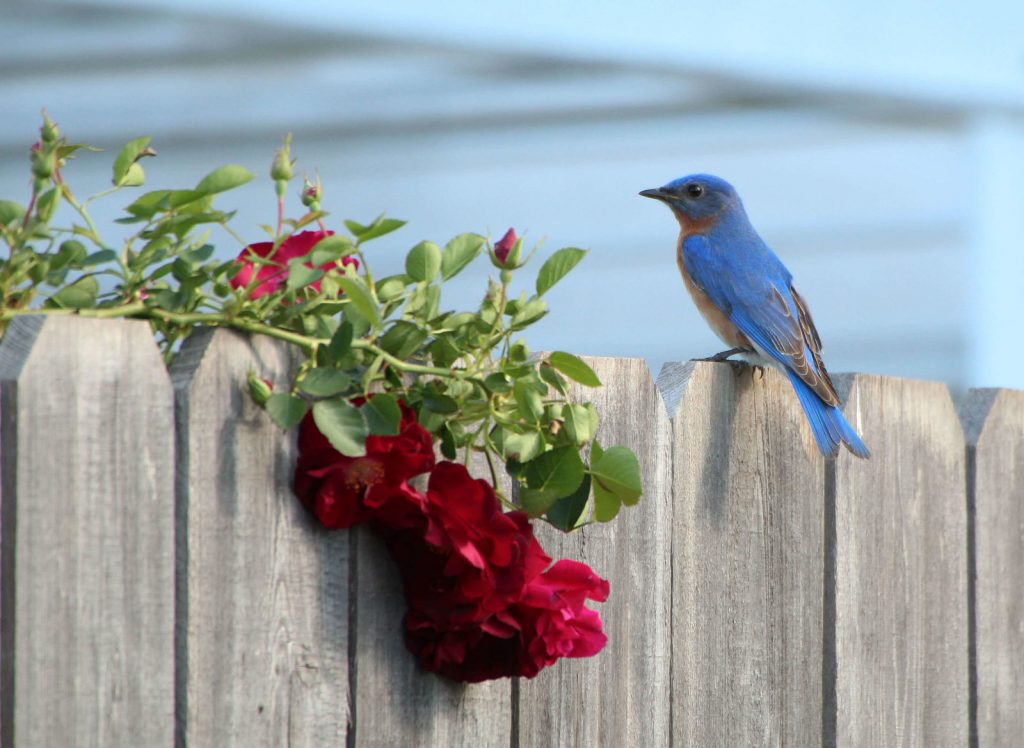
Brief Description
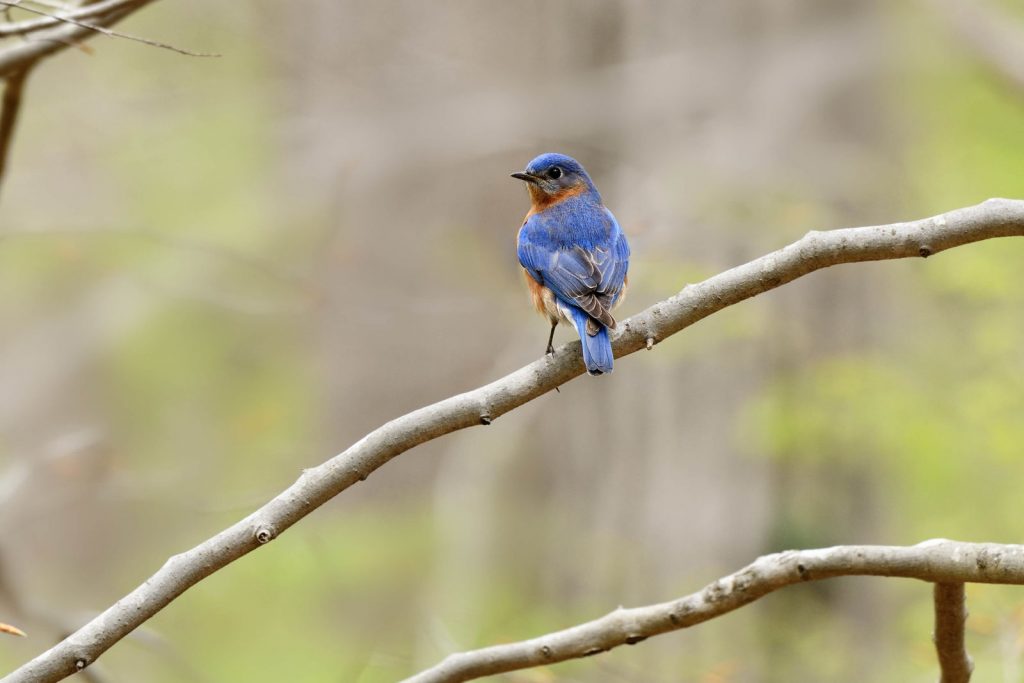
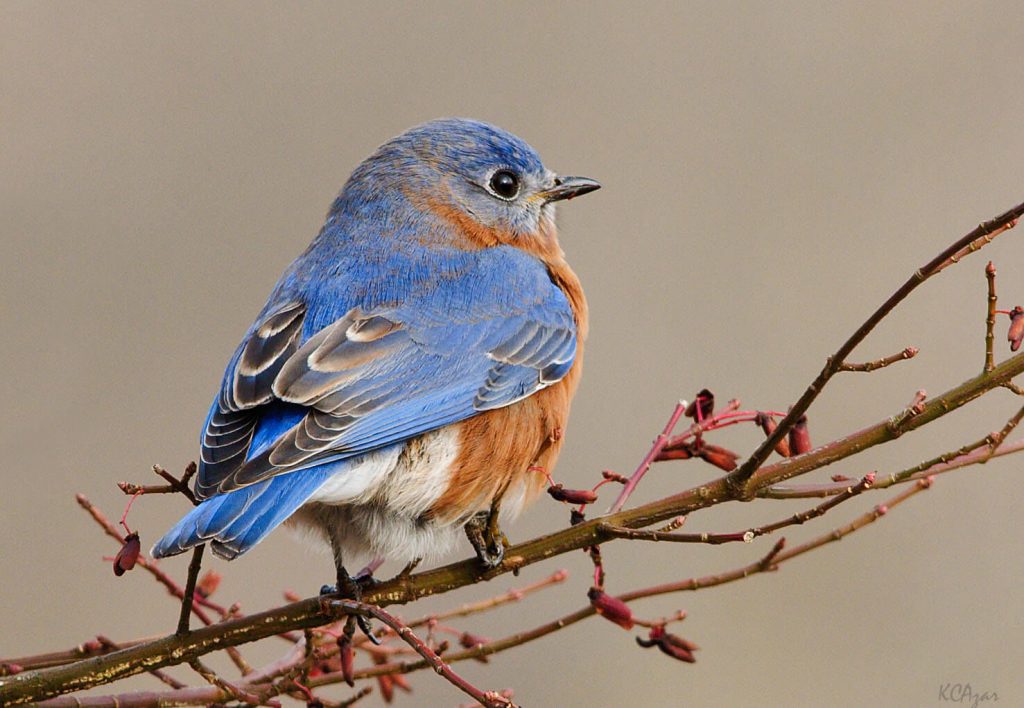
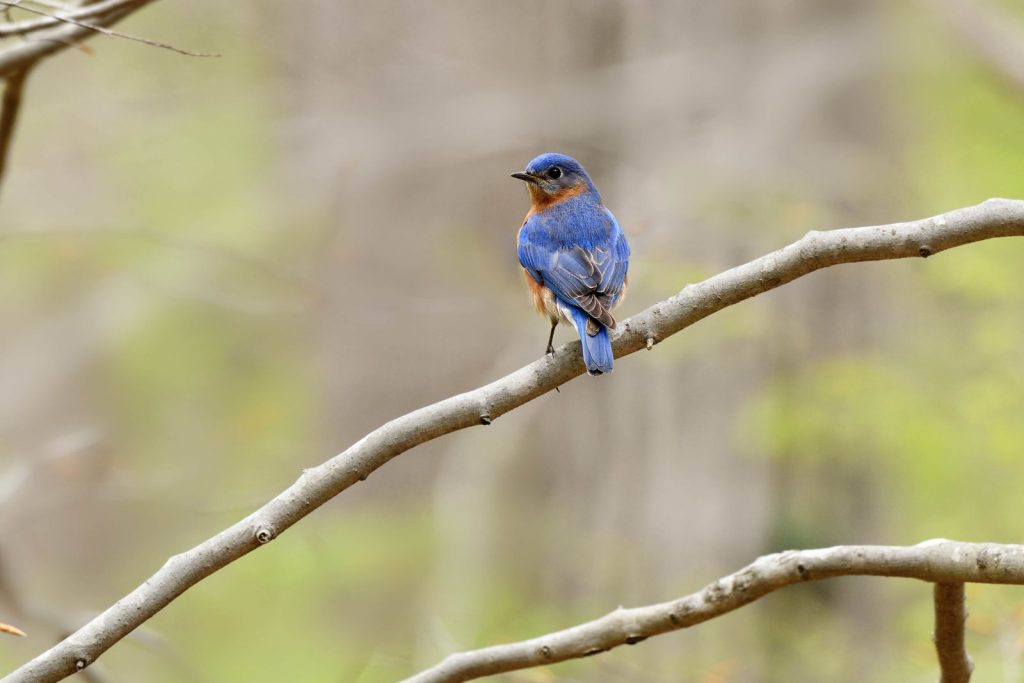
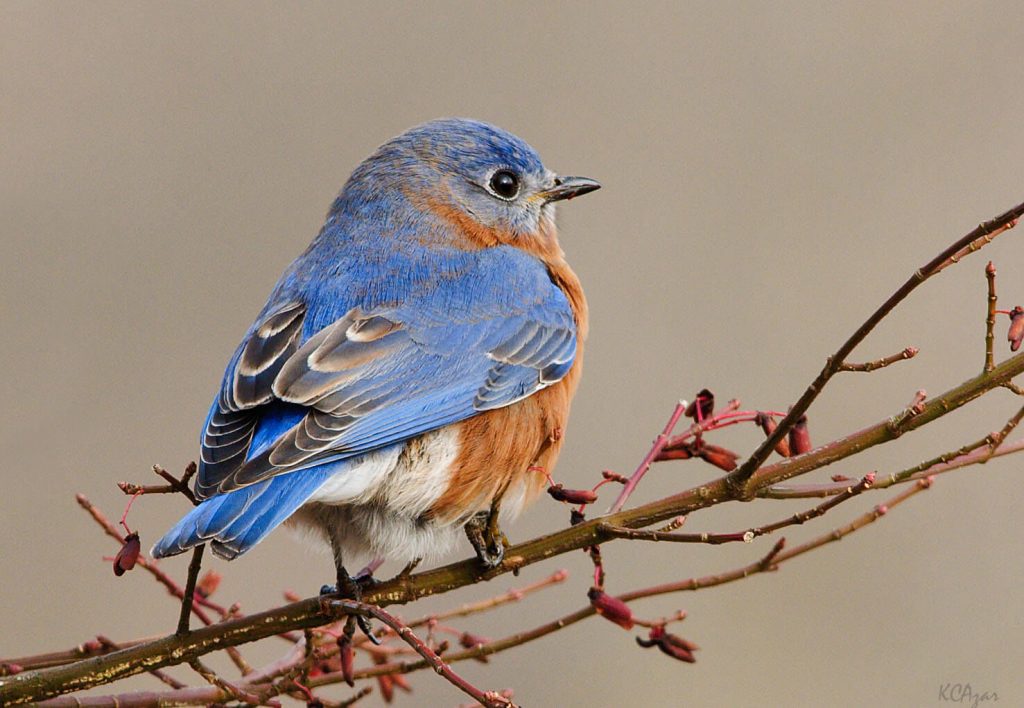
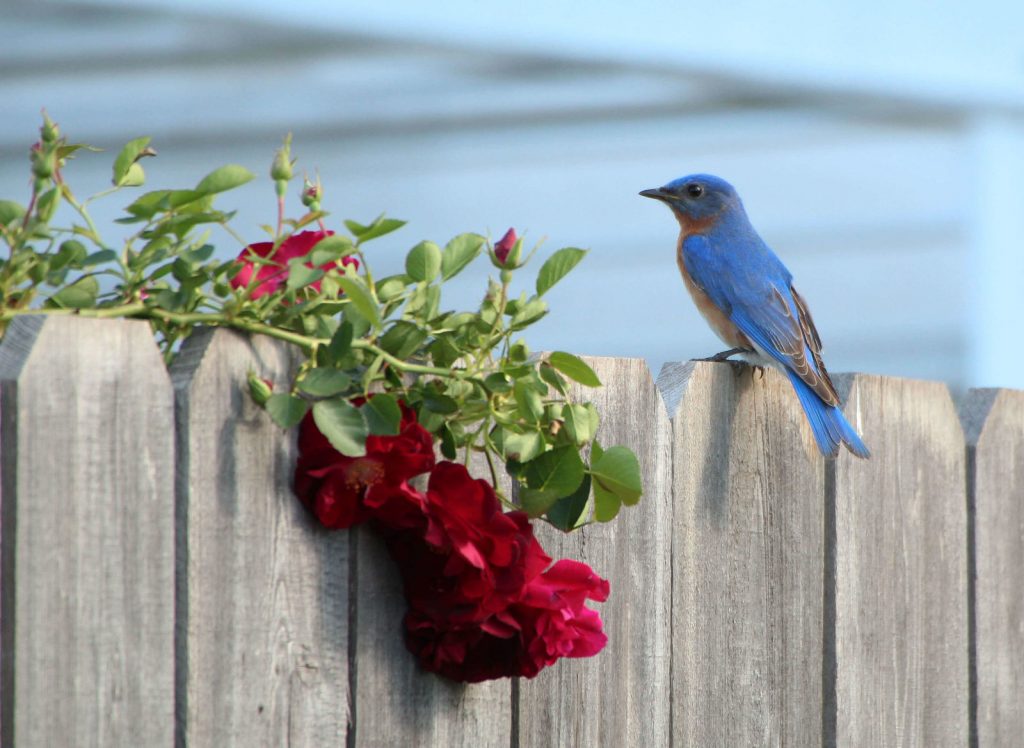
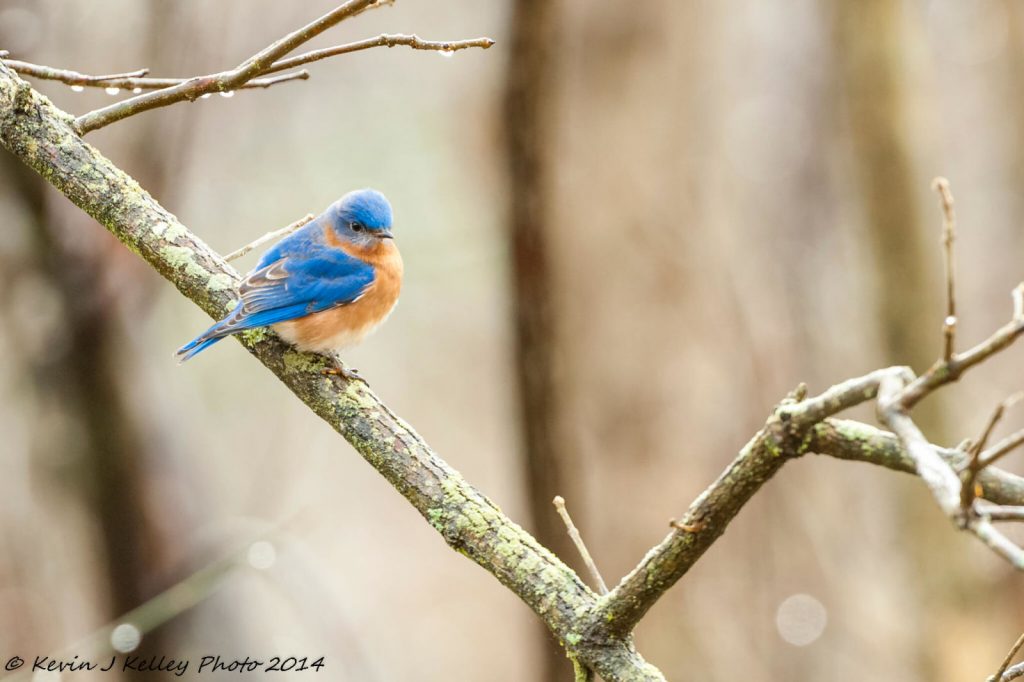
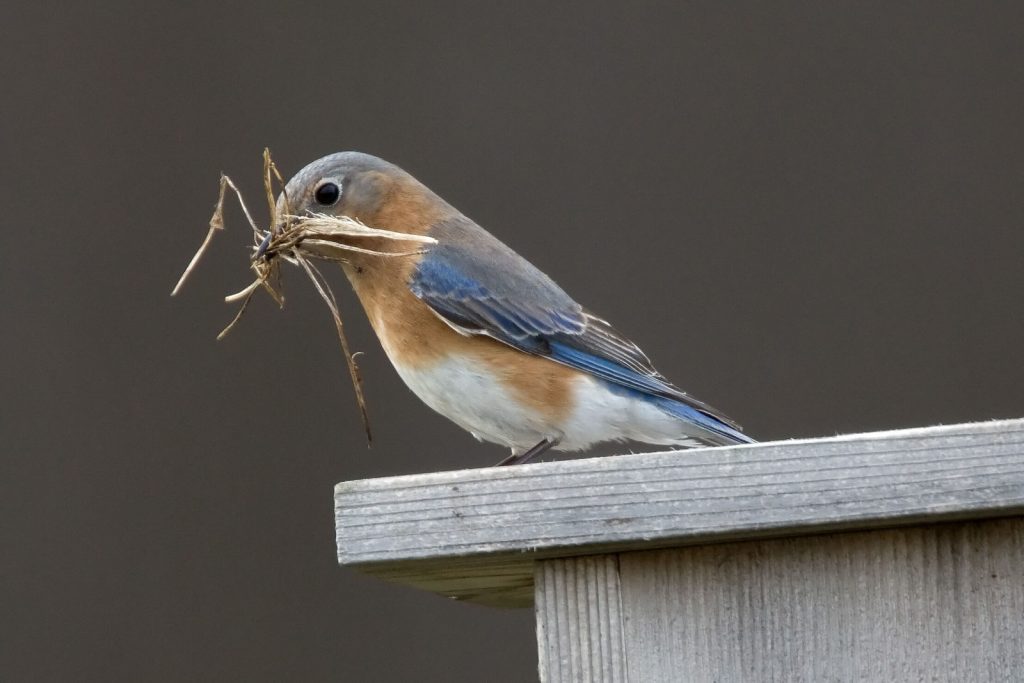
Eastern bluebirds are beautiful, well-known, popular song birds that live in eastern North America. These little birds are easily recognized by the male’s bright royal blue upper plumage, chest of reddish brown and white abdomen. The females is duller in color than the male, with grayer upperparts; but with an elegant look from the blue tinges to her wings. These bluebirds are the most common of the three bluebird species. Today many of the eastern bluebirds in North America nest in birdhouses intended for them on “bluebird trails.”
Eastern Bluebird Gallery
Animal Type
Bird
Also Known As:
Pink Flamingo, Rosy Flamingo
Diet Type:
Omnivore
Eats:
Molluscs, Aquatic or Marine Worms, Aquatic Crustaceans, Zooplankton, Algae
Lifespan:
40 – 60 Years
IUCN Red List Status:
Least Concern
Brief Description
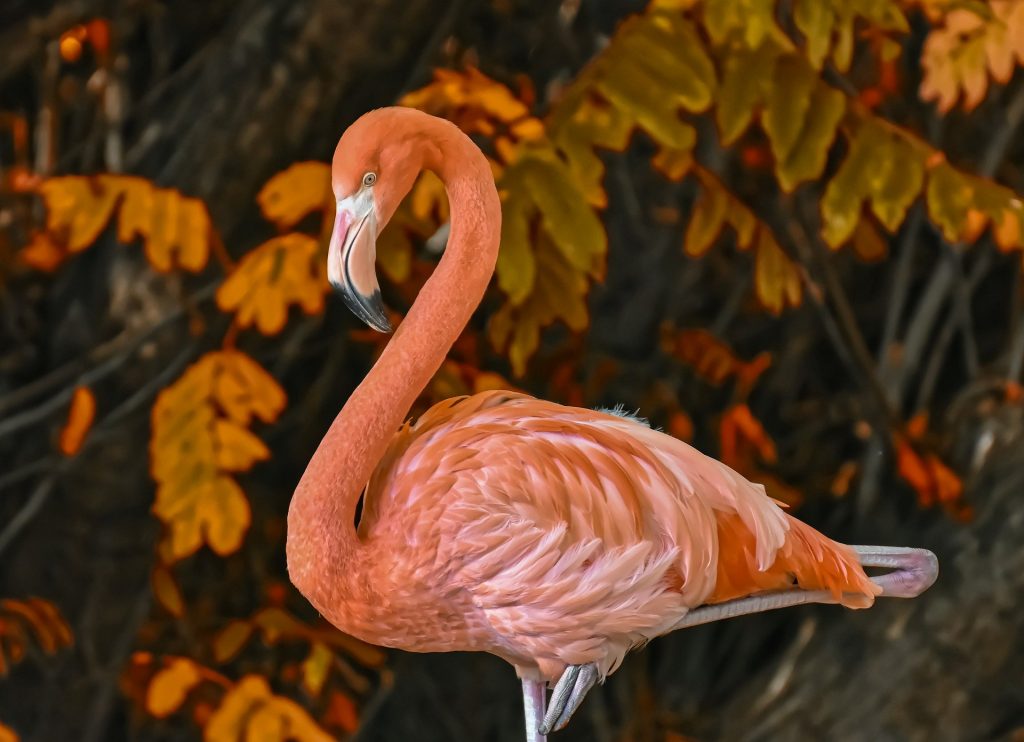
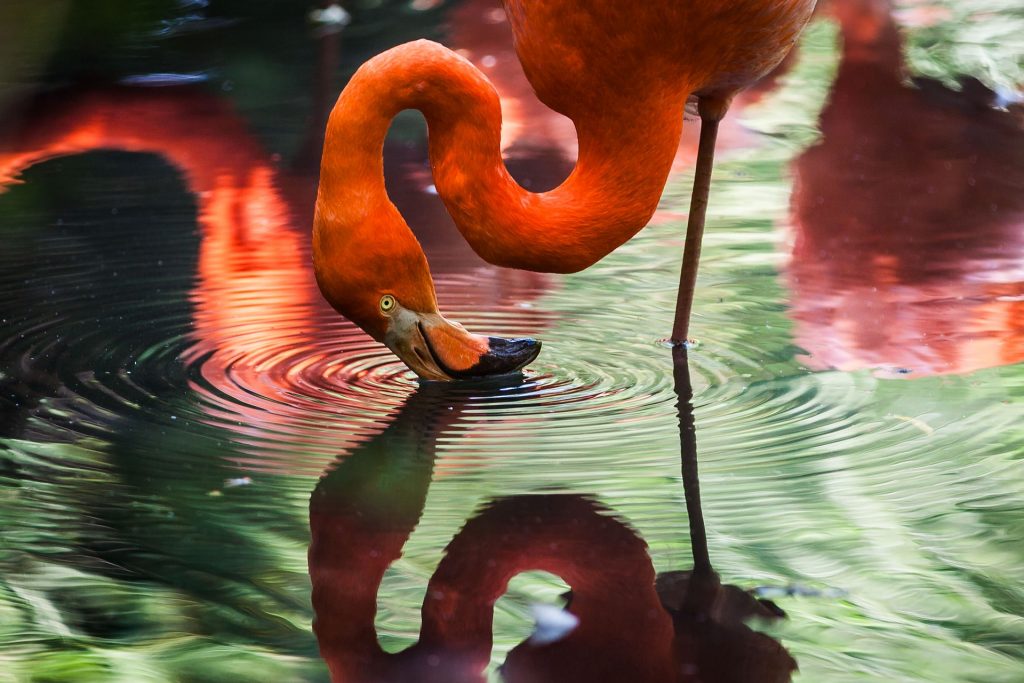
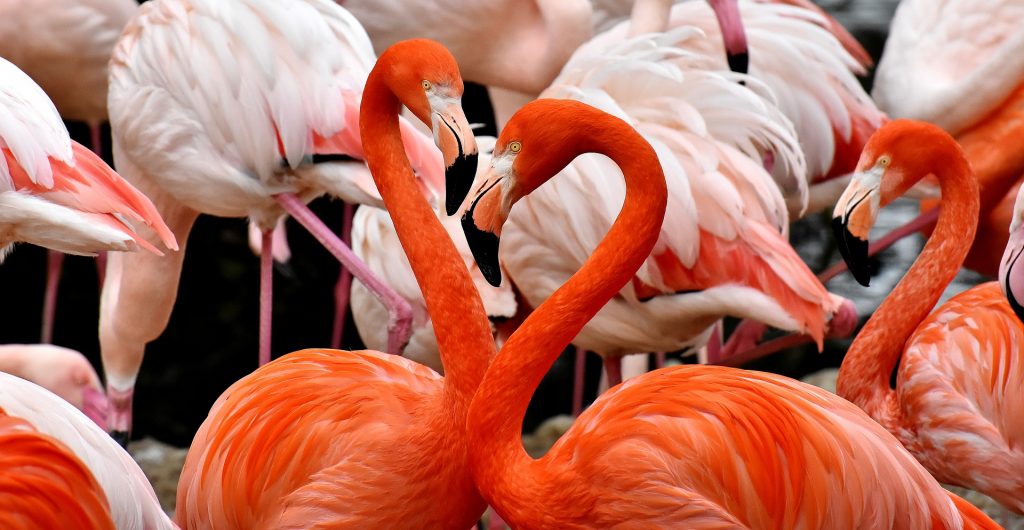
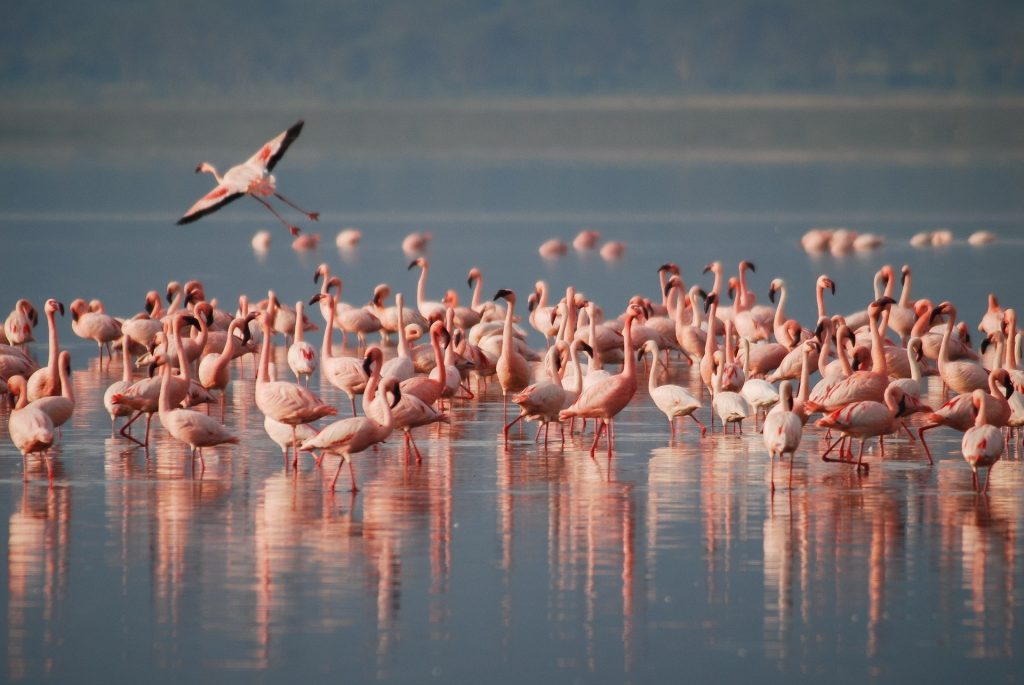
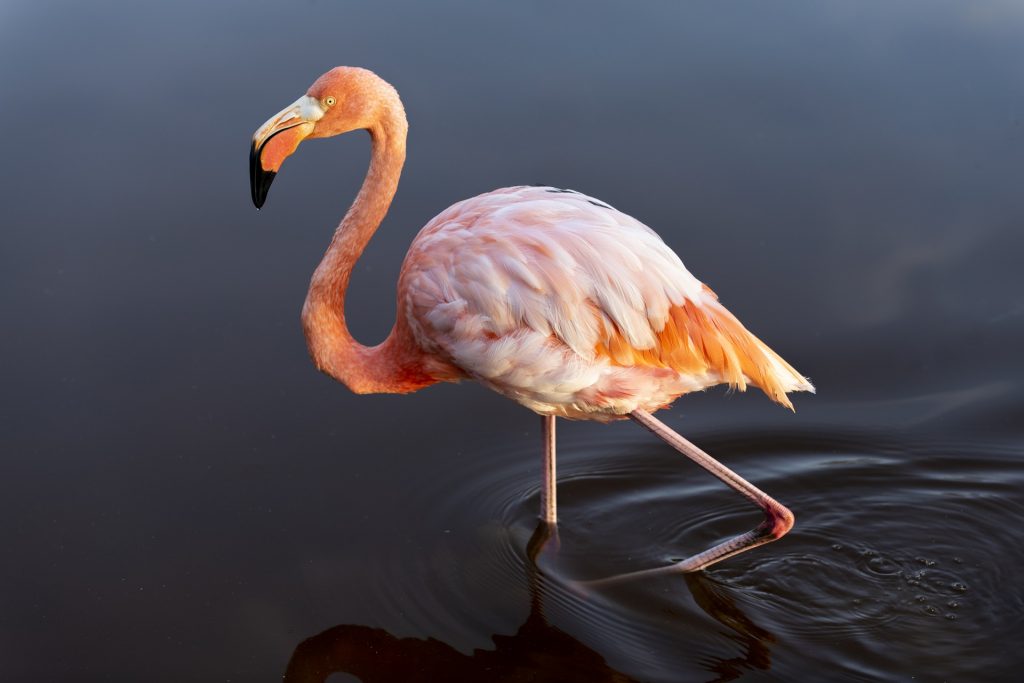
Out of the worlds six species of flamingo, Greater flamingos are the most widespread and common member of the flamingo family. Greater flamingos have an attractive coloration and appearance. Their feathers are pinkish/white, the wing coverts are red and the primary and secondary flight feathers are black. They have long pink bills with a black tip, yellow eyes and long pink legs. The male is bigger than the female, and juveniles have a grey-brown coloration, with some pink on their underparts, tail and wings, with the legs and beak being mainly brown.
Greater Flamingo Gallery
Also Known As:
Road Kill, Carcass, Remains, Offal
See Also:
Scavenger, Carnivore, Omnivore
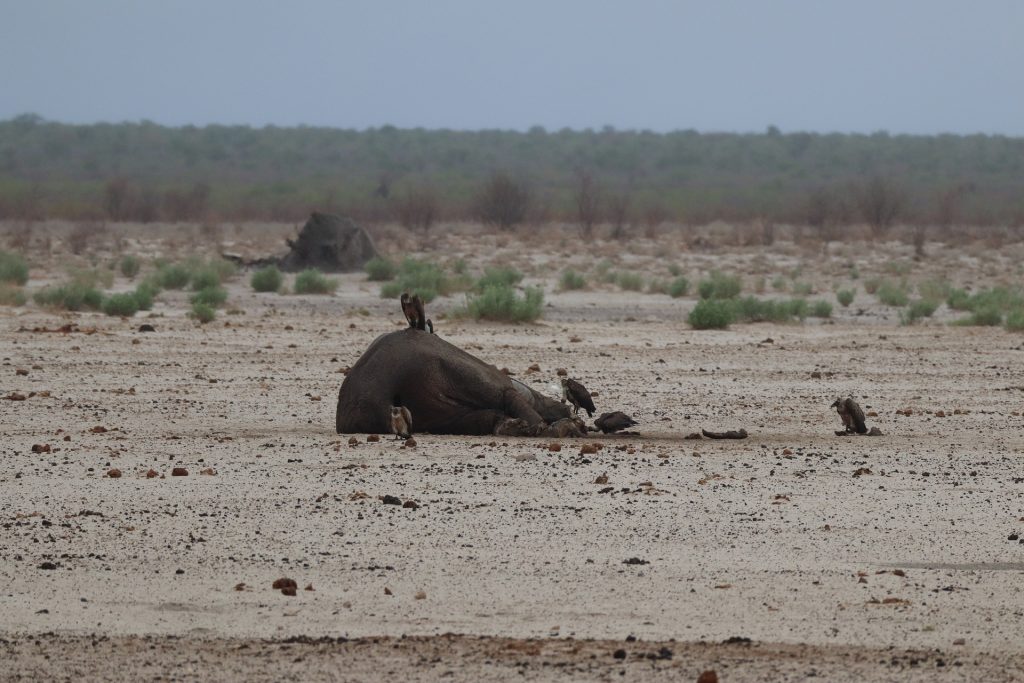
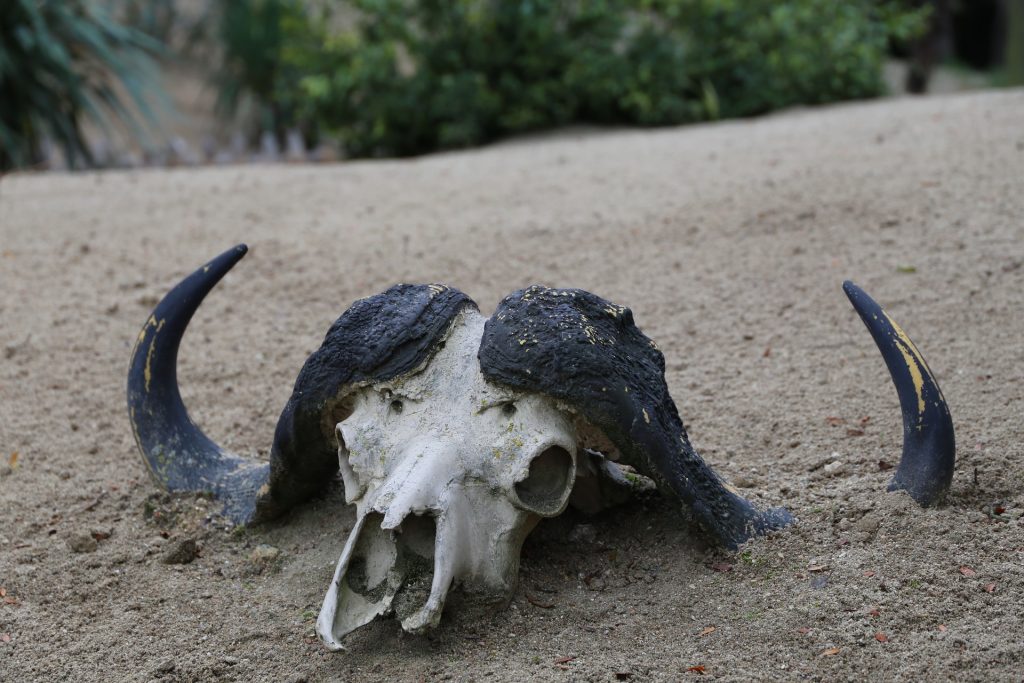
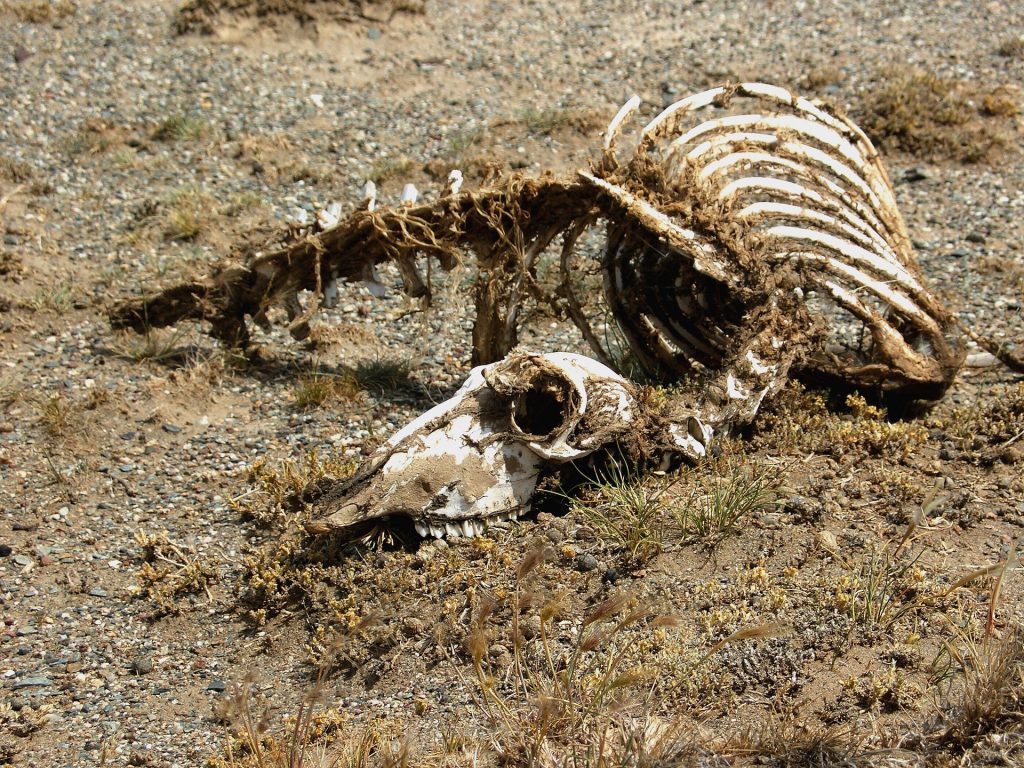
Carrion is the decaying flesh of dead animals, including human flesh, and serves as a food source for carnivorous or omnivorous animals and birds.
Carrion begins to decay at the moment of the animal’s death, and it will increasingly attract insects and breed bacteria. Not long after the animal has died, its body will begin to exude a foul odour caused by the presence of bacteria and the emission of cadaverine and putrescine.
Sometimes carrion is used to describe an infected carcass that is diseased and should not be touched.
Definition and Related Terms
To be classified as carrion, the animal cannot have been killed by the same animal consuming it but must have died from another cause. The word carrion comes from the Latin caro, meaning meat.
Carrion can come from many sources and can be dead animals of all sizes, from small rodents to larger mammals or even whales. Scavengers do not discriminate about where they get their next meal.
As carrion ages, it is often accompanied by a foul, rancid smell caused by bacterial growth, and the meat is unfit for human consumption. Animals and birds, however, have different digestive systems and better tolerance for old meat, and can often feed on a carcass even if it has significantly decayed. In many cases, an older carcass is even more palatable to birds, because as the meat rots, it becomes softer and easier for smaller bills or talons to tear into.
In addition to birds, many insects, mammals, and even large reptiles such as Komodo dragons will eat carrion. Opossums, coyotes, and hyenas are other animals known for eating carrion. Humans rarely eat these carcasses, however, because not only is the meat unsafe for humans to eat, but many religious guidelines and social taboos prohibit carrion as a food source.
The Importance of Carrion in the Ecosystem
Carrion is an important food source for large carnivores and omnivores in most ecosystems. Examples of carrion-eaters (or scavengers) include vultures, condors, hawks, eagles, hyenas, Virginia opossum, Tasmanian devils, coyotes and Komodo dragons. Many invertebrates, such as the carrion and burying beetles, as well as maggots of calliphorid flies and flesh-flies, also eat carrion, playing an important role in recycling nitrogen and carbon in animal remains.
The Hazards of Carrion Meat
Dead carcasses can be an easy food source for many birds, but carrion is not without risks. Depending on how the animal died and how long it has been deceased, risks include:
- Disease transmission through excessive bacteria, insects, or contamination from the feces of previous carrion-eaters.
- Inadvertent poisoning from lead contamination of hunting offal when birds may ingest any remaining lead pellets.
- Poisoning from a carcass that has been illegally tainted as a trap for unwanted predators or that is contaminated with pesticides.
- Attacks by other predators drawn by the scent of the decaying carcass, particularly when competition for food is high.
- Vehicle collisions when feeding on carcasses on roadways, including birds getting hit because they are too stuffed with their meal to fly out of the way.
Many birds that feed on carrion have adaptations or strategies to deal with these risks. Stronger stomach acids can kill many disease-causing bacteria, and birds that regularly dig into carcasses, such as vultures, often have bare faces and heads to minimize insect and bacteria infestation. Smaller birds that eat carrion may feed in flocks, and large numbers can help deter other predators from taking over the carcass.
Birds may also gorge on carrion, storing the meat in their crops and leaving quickly to digest in a safer place. Unfortunately, birds are not able to detect lead contamination or other toxic contamination in a carcass, and many vultures and large raptors are killed each year by this type of poisoning. Switching to non-lead ammunition can help reduce this threat, and drivers should also be aware of carcasses alongside roads and slow down to avoid hitting any feeding birds.
]]>