
How many teeth do cats have?
Have you ever wondered how many teeth your cat has hidden behind that mischievous smile? We often find ourselves marvelling at their adorable antics and razor-sharp claws. Still, their teeth are an equally intriguing aspect of their anatomy.
As proud owners of these enigmatic creatures, let’s delve into the captivating world of feline dentition and uncover the astonishing number of cat teeth beneath those whiskers.
The Basics of Cat Dentition
Cats have two sets of teeth throughout their lives, much like humans and many other animals. They start off with a set of deciduous (baby) teeth as kittens. Six incisors, two canines, and six premolars in each jaw make up the average kitten’s 26 baby teeth.
When the kitten is three to four weeks old, the eruption of its baby teeth, which are smaller and more sensitive than its adult teeth, begins. These baby teeth progressively disappear as the kitten ages, leaving a place for the advent of its permanent teeth.
Typical Amount of Cat Teeth
Once the deciduous teeth have shed, cats develop a set of adult teeth. Adult cats have a total of 30 teeth, which consist of six incisors, two canines, eight premolars, and four molars in the upper jaw, and six incisors, two canines, six premolars, and two molars in the lower jaw. The adult teeth are larger, stronger, and more suited to a cat’s needs as a carnivorous predator.
The adult cat teeth should be properly maintained through regular dental care, including brushing, dental check-ups, and appropriate chewing materials, to ensure the cat’s oral health and overall well-being.
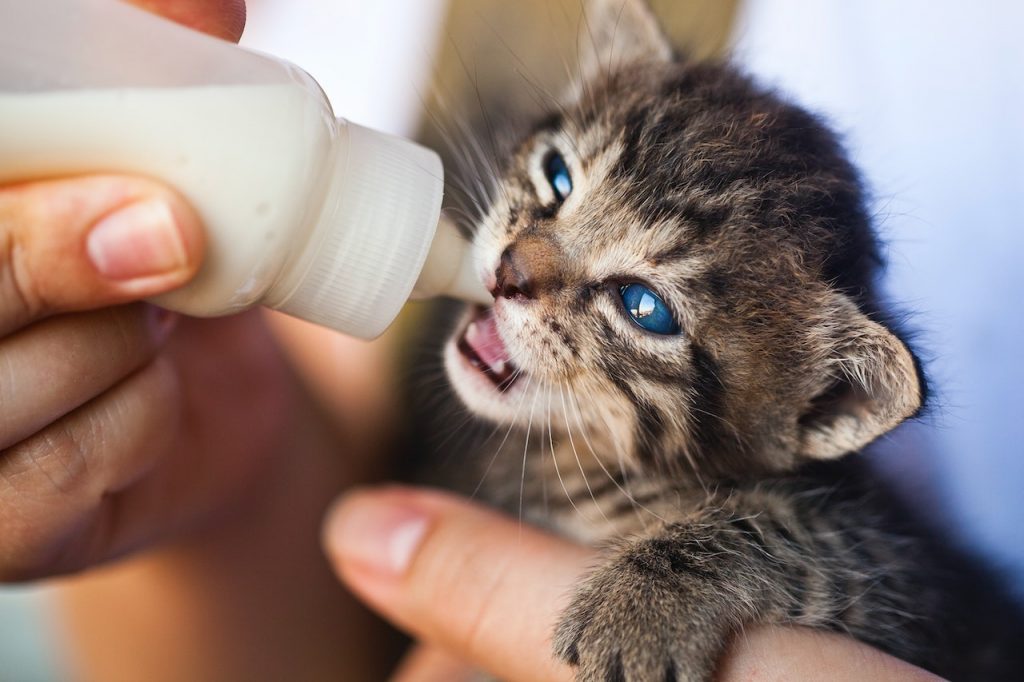
Teething in Kittens
Teething is a natural and important process that kittens go through as they transition from their milk-based diet to consuming solid foods.
Just like human babies, kittens experience teething, which involves the eruption of their deciduous (baby) teeth and the subsequent replacement with their permanent teeth. This developmental milestone can be a bit challenging for both kittens and their owners, but understanding the process can help make it easier for everyone involved.
The teething process typically begins when kittens are around three to four months old and continue until they are about six to nine months old. During this time, their deciduous teeth start to loosen and fall out, making way for the eruption of their permanent teeth.
This process can cause discomfort and irritability in kittens, leading to increased chewing behaviour and a strong urge to bite and gnaw on objects.

To help alleviate their discomfort, it’s important to provide appropriate chew toys specifically designed for teething kittens. These toys are typically made of soft rubber or fabric materials that are gentle on their developing gums. Chewing on these toys not only helps soothe their sore gums but also aids in loosening and shedding their baby teeth naturally.
Problems during Teething
Teething can occasionally present some challenges for both kittens and their owners. A common problem that can arise during teething is retained baby teeth. In some cases, the baby teeth may not fall out as the permanent teeth emerge, leading to a condition called retained deciduous teeth. This can result in overcrowding or misalignment of the teeth, potentially causing dental issues in the future.
If you notice that your kitten’s baby teeth are not falling out as expected, it’s advisable to consult with a veterinarian. They can examine the kitten’s mouth and determine if any intervention, such as tooth extraction, is necessary to prevent complications and ensure proper dental development.
Conclusion
Cats possess an intriguing dental structure that aligns with their carnivorous nature. With 30 cat teeth, including incisors, canines, premolars, and molars, these remarkable creatures are well-equipped for hunting and consuming their prey.
Taking care of your cat’s dental health is crucial for its overall well-being, so be sure to provide regular dental care and seek professional assistance when necessary.
By maintaining proper dental hygiene, you can help your feline companion maintain a healthy and happy smile for years to come.
]]>