See Also:
Herbivore, Omnivore, Scavenger
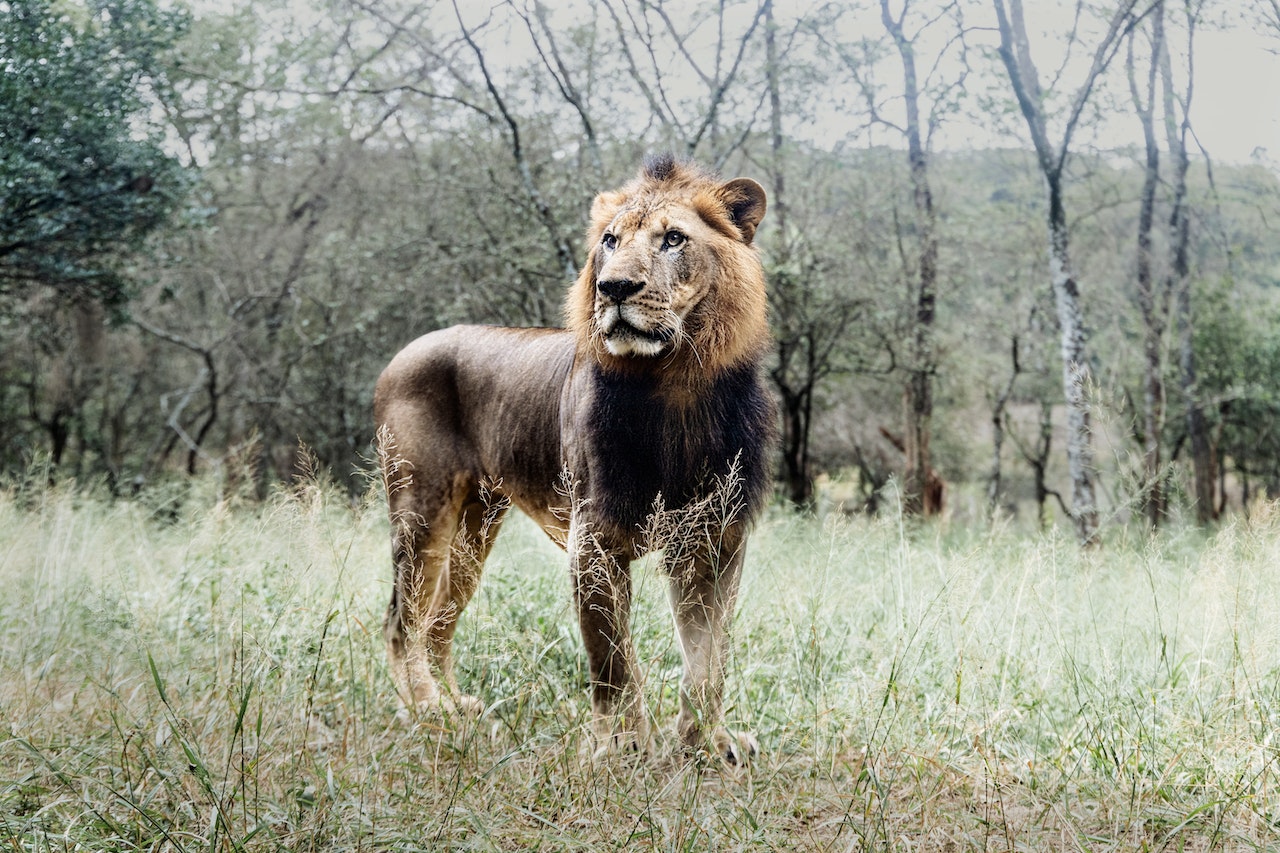
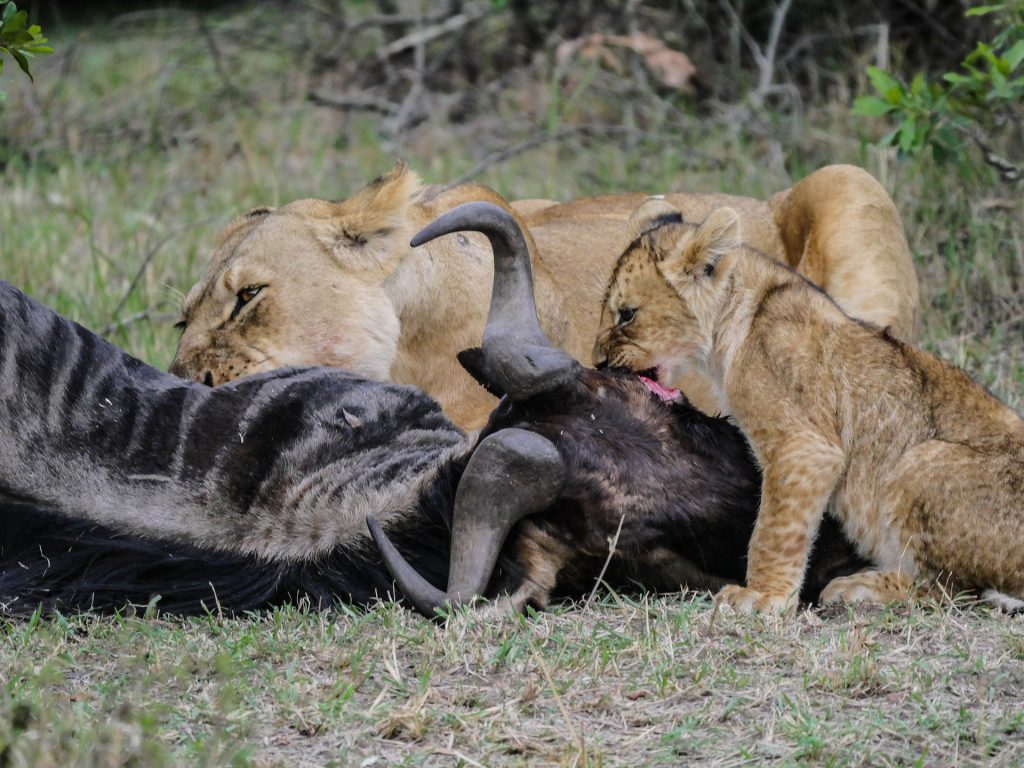
A carnivore is an animal that eats primarily meat, or animal tissue, through hunting or scavenging. Typically, a carnivore is considered to be at the top of the food chain, not preyed upon by other animals, and is termed an apex predator.
Carnivores are sometimes characterized by their type of prey. For example, animals that eat mainly insects and similar invertebrates are called insectivores, while those that eat mainly fish are called piscivores. The first tetrapods, or land-dwelling vertebrates, were piscivorous amphibians known as labyrinthodonts. They gave rise to insectivorous vertebrates and, later, to predators of other tetrapods.
Carnivores may alternatively be classified according to the percentage of meat in their diet. The diet of a hypercarnivore consists of more than 70% meat, that of a mesocarnivore 30–70%, and that of a hypocarnivore less than 30%, with the balance consisting of non-animal foods such as fruits, other plant material, or fungi.
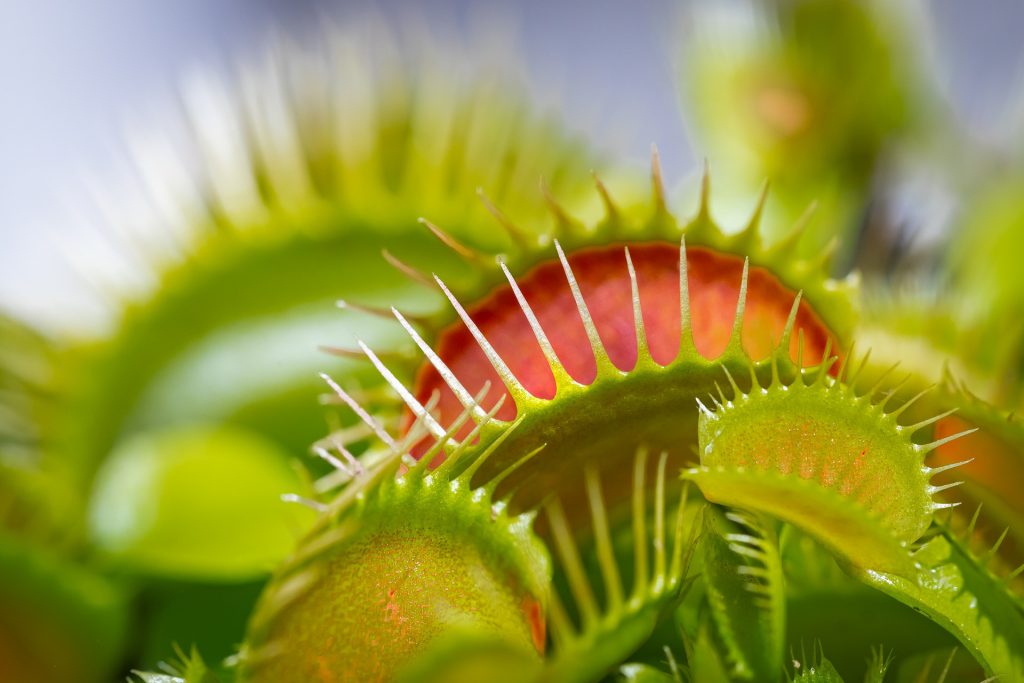
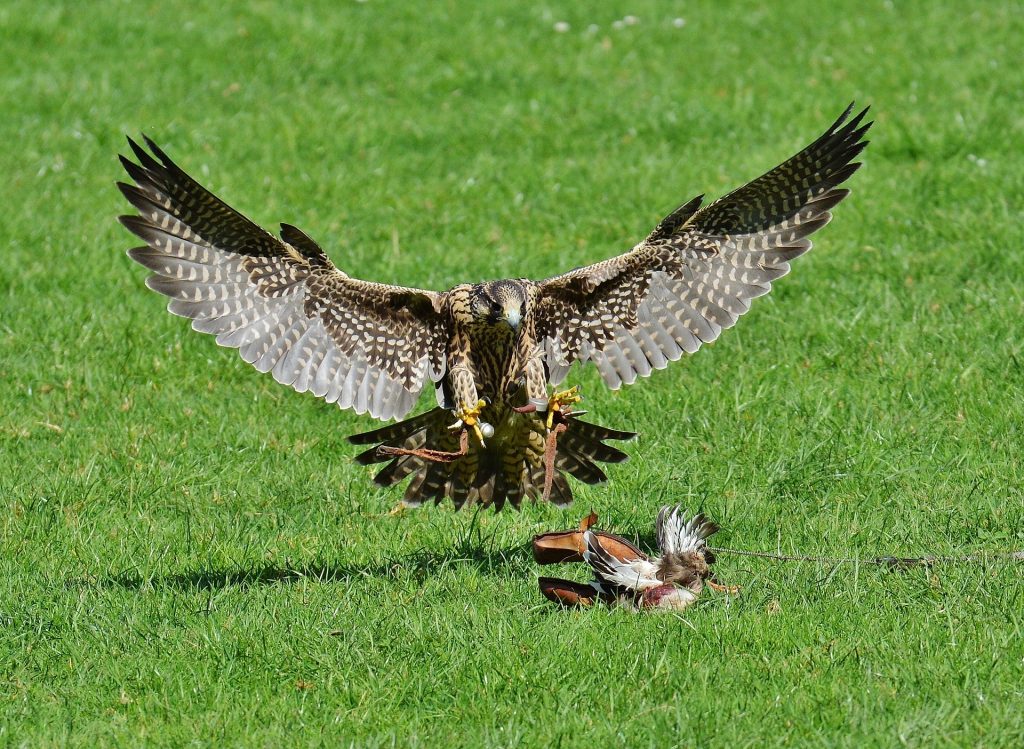
Carnivores in the Food Chain
For a healthy ecosystem it is important that the population of autotrophs, herbivores, and carnivores remain in balance. Carnivores depend on herbivores and other animals to survive. Zebras and Gazelles once travelled in great herds over the plains of Africa. But these herds have shrunk and are now mostly confined to parks and wildlife reserves. As the number of these herbivores decline, carnivores such as African Wild Dogs, which prey on them, also decline. Scientists estimate that only 3,00 to 5,500 African Wild Dogs remain in the wild.
In some places the disappearance of large carnivores has led to an overpopulation of herbivores, disrupting the ecosystem. Wolves and Cougars are traditional predators of White-Tailed Deer, for instance. But the hunting and development have eliminated these predators from the north-eastern United States. Without natural predators, the population of White-Tailed Deer has skyrocketed. In some cases, there are so many deer that they cannot find enough food. They frequently stray into towns and suburbs in search of food.
The Carnivorous Diet
Certain types of carnivores have specific diets. Some, such as Sea Lions, eat mainly fish. They are called piscivores.
Others, such as lizards, eat mainly insects. They are called insectivores. Many bats are also insectivores. One little brown bat can eat a thousand mosquitoes in an hour. Some insects are themselves insectivores. These include ladybugs, dragonflies, and praying mantises.
Carnivores that have been known to attack and eat human beings are known as man-eaters. Some species of sharks, alligators, and bears are called man-eaters. However, no carnivore specifically hunts human beings or relies on them as a regular food source.
Cannibals are carnivores that eat the meat of members of their own species. Many carnivores practice cannibalism. For some species, cannibalism is a way of eliminating competitors for food, mates, or other resources. Chimpanzees or Bears, for example, will hunt and consume the young of family members, sometimes their own offspring. Praying mantis females will kill and eat the bodies of their mates.
Many carnivores are scavengers, creatures that eat the meat of dead animals, or carrion. Unlike other types of carnivores, scavengers usually do not hunt the animals they eat. Some, such as vultures, consume animals that have died from natural causes. Others, such as hyenas, will snatch meat hunted by other carnivores. Many insects, such as flies and beetles, are scavengers.
Some carnivores, including sea lions, feed often. Others, such as king cobras, can go months between meals.