Also Known As:
Road Kill, Carcass, Remains, Offal
See Also:
Scavenger, Carnivore, Omnivore
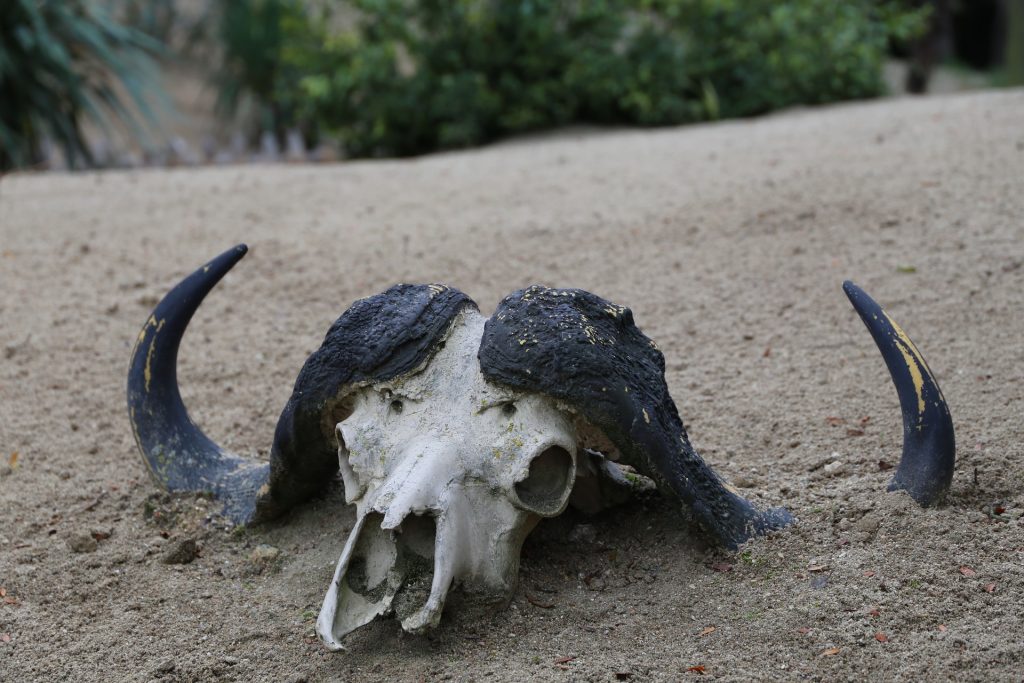
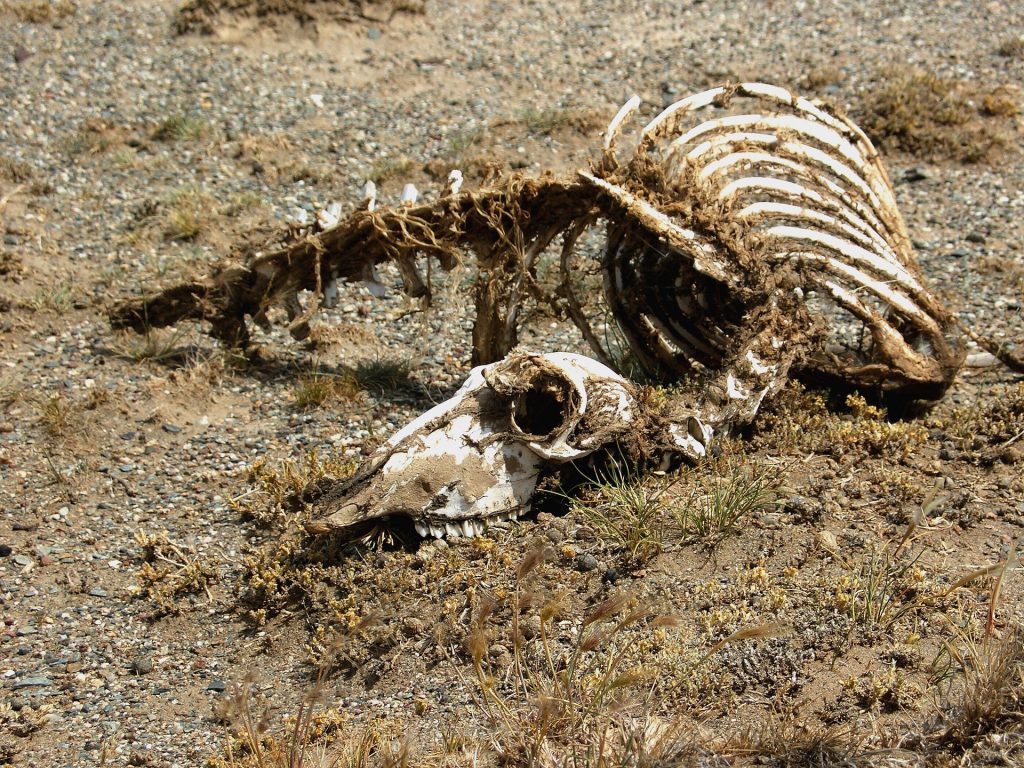
Carrion is the decaying flesh of dead animals, including human flesh, and serves as a food source for carnivorous or omnivorous animals and birds.
Carrion begins to decay at the moment of the animal’s death, and it will increasingly attract insects and breed bacteria. Not long after the animal has died, its body will begin to exude a foul odour caused by the presence of bacteria and the emission of cadaverine and putrescine.
Sometimes carrion is used to describe an infected carcass that is diseased and should not be touched.
Definition and Related Terms
To be classified as carrion, the animal cannot have been killed by the same animal consuming it but must have died from another cause. The word carrion comes from the Latin caro, meaning meat.
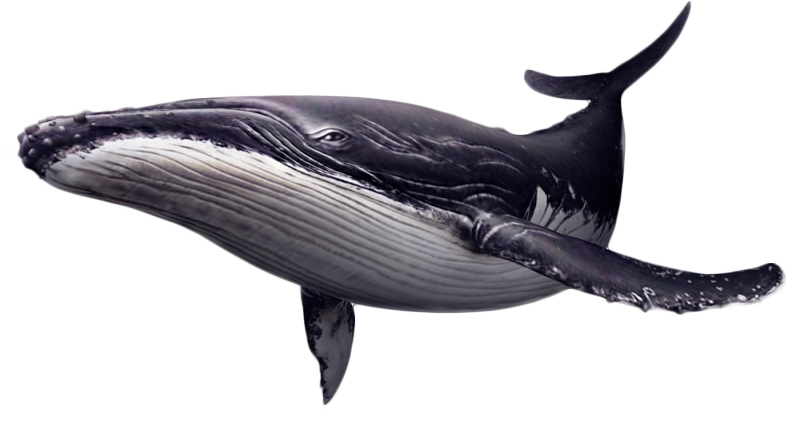
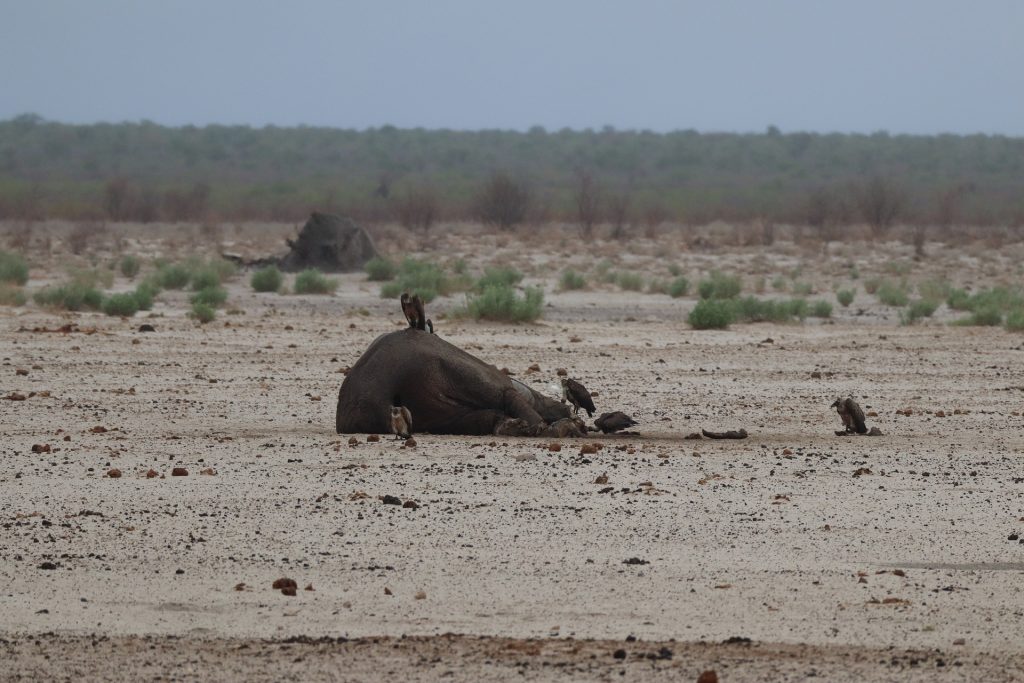
Carrion can come from many sources and can be dead animals of all sizes, from small rodents to larger mammals or even whales. Scavengers do not discriminate about where they get their next meal.
As carrion ages, it is often accompanied by a foul, rancid smell caused by bacterial growth, and the meat is unfit for human consumption. Animals and birds, however, have different digestive systems and better tolerance for old meat, and can often feed on a carcass even if it has significantly decayed. In many cases, an older carcass is even more palatable to birds, because as the meat rots, it becomes softer and easier for smaller bills or talons to tear into.
In addition to birds, many insects, mammals, and even large reptiles such as Komodo dragons will eat carrion. Opossums, coyotes, and hyenas are other animals known for eating carrion. Humans rarely eat these carcasses, however, because not only is the meat unsafe for humans to eat, but many religious guidelines and social taboos prohibit carrion as a food source.
The Importance of Carrion in the Ecosystem
Carrion is an important food source for large carnivores and omnivores in most ecosystems. Examples of carrion-eaters (or scavengers) include vultures, condors, hawks, eagles, hyenas, Virginia opossum, Tasmanian devils, coyotes and Komodo dragons. Many invertebrates, such as the carrion and burying beetles, as well as maggots of calliphorid flies and flesh-flies, also eat carrion, playing an important role in recycling nitrogen and carbon in animal remains.
The Hazards of Carrion Meat
Dead carcasses can be an easy food source for many birds, but carrion is not without risks. Depending on how the animal died and how long it has been deceased, risks include:
- Disease transmission through excessive bacteria, insects, or contamination from the feces of previous carrion-eaters.
- Inadvertent poisoning from lead contamination of hunting offal when birds may ingest any remaining lead pellets.
- Poisoning from a carcass that has been illegally tainted as a trap for unwanted predators or that is contaminated with pesticides.
- Attacks by other predators drawn by the scent of the decaying carcass, particularly when competition for food is high.
- Vehicle collisions when feeding on carcasses on roadways, including birds getting hit because they are too stuffed with their meal to fly out of the way.
Many birds that feed on carrion have adaptations or strategies to deal with these risks. Stronger stomach acids can kill many disease-causing bacteria, and birds that regularly dig into carcasses, such as vultures, often have bare faces and heads to minimize insect and bacteria infestation. Smaller birds that eat carrion may feed in flocks, and large numbers can help deter other predators from taking over the carcass.
Birds may also gorge on carrion, storing the meat in their crops and leaving quickly to digest in a safer place. Unfortunately, birds are not able to detect lead contamination or other toxic contamination in a carcass, and many vultures and large raptors are killed each year by this type of poisoning. Switching to non-lead ammunition can help reduce this threat, and drivers should also be aware of carcasses alongside roads and slow down to avoid hitting any feeding birds.