See Also:
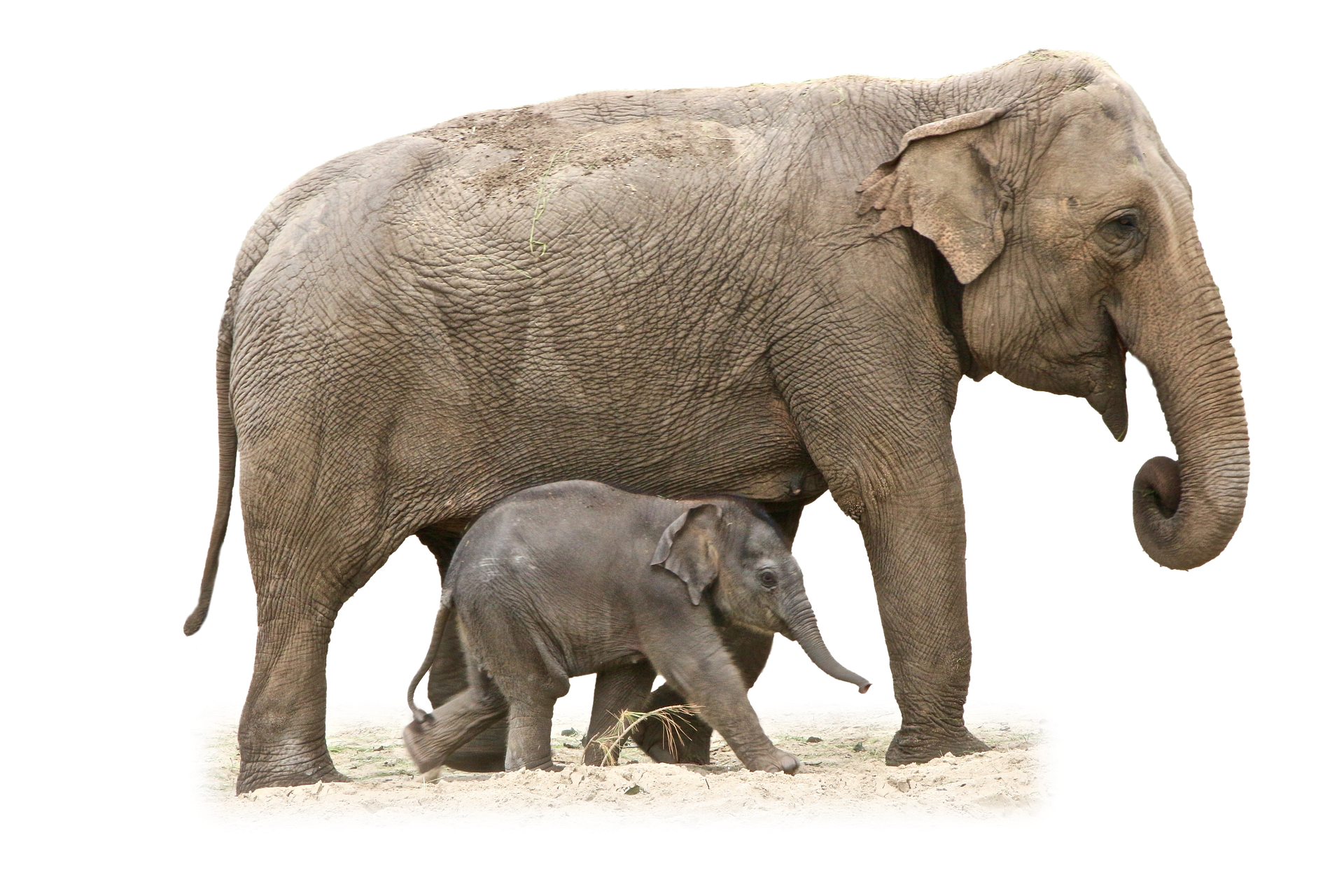
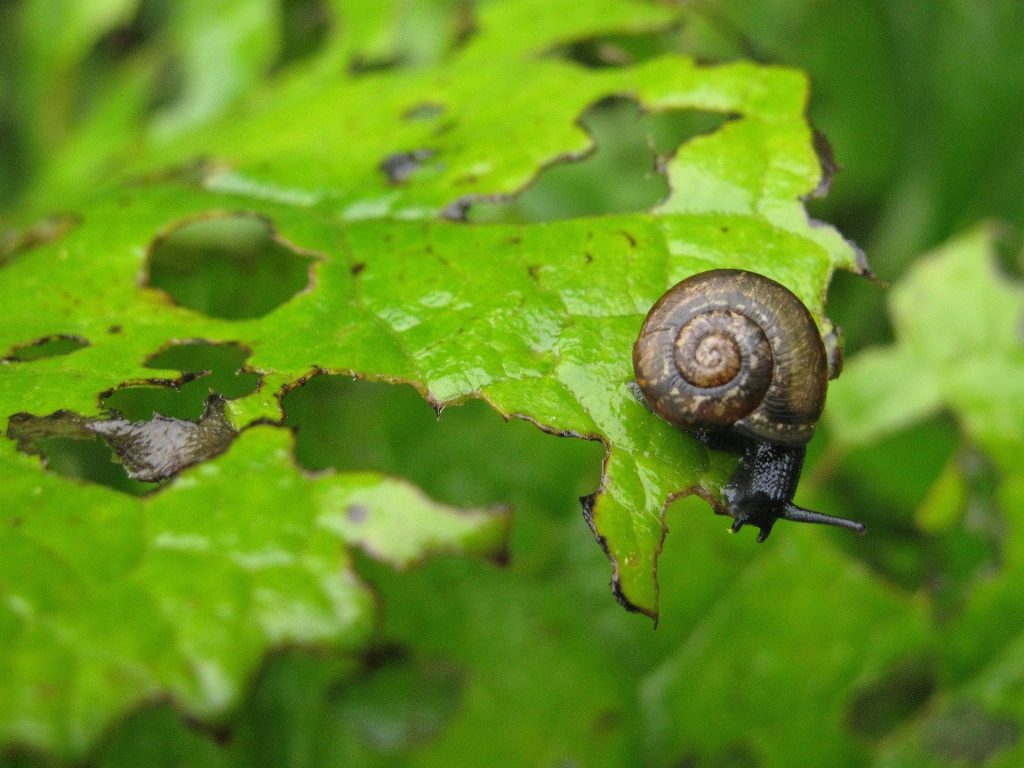
A herbivore is an organism that feeds mostly on plants. Herbivores range in size from tiny insects such as aphids to large, lumbering elephants. Many herbivores spend a large part of their life eating. For example Elephants need to eat about 130kg (300lbs) of food a day. It takes a long time to eat that much leaves and grass, so elephants sometimes eat for 18 hours a day.
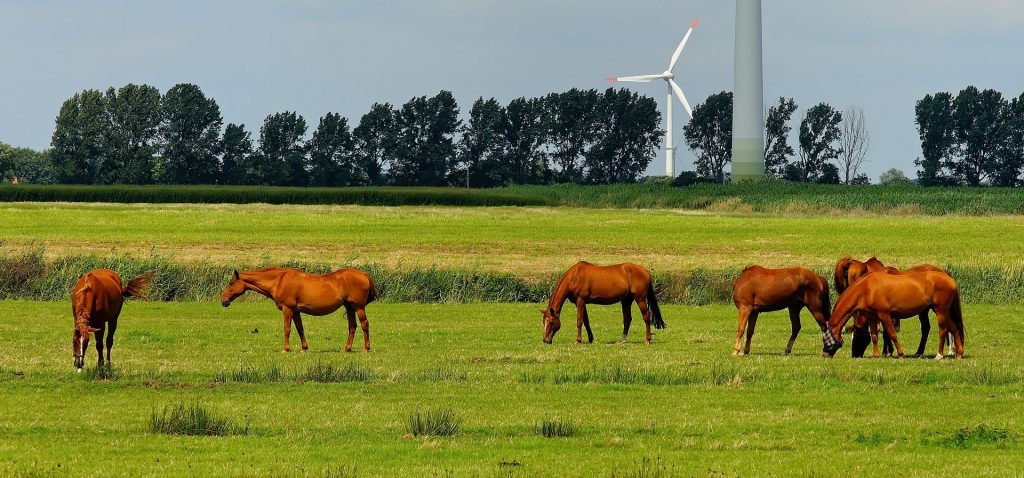
As a result of their plant diet, herbivorous animals typically have mouthparts adapted to rasping or grinding. Horses and other herbivores have wide flat teeth that are adapted to grinding grass, tree bark, and other tough plant material.
A large percentage of herbivores have mutualistic gut flora that help them digest plant matter, which is more difficult to digest than animal prey. This flora is made up of cellulose-digesting protozoans or bacteria.
Definition and Related Terms
Herbivory is a form of consumption in which an organism principally eats autotrophs such as plants, algae and photosynthesizing bacteria. More generally, organisms that feed on autotrophs in general are known as primary consumers. Herbivory is usually limited to animals that eat plants. Fungi, bacteria, and protists that feed on living plants are usually termed plant pathogens (plant diseases), while fungi and microbes that feed on dead plants are described as saprotrophs. Flowering plants that obtain nutrition from other living plants are usually termed parasitic plants.
Picky Eaters
Some herbivores eat any plant matter they can find. Elephants, for example, eat bark, leaves, small branches, roots, grasses, and fruit. Black Rhinoceroses also eat a variety of fruits, branches, and leaves.
Other herbivores eat only one part of a plant. An animal that specializes in eating fruit is called a frugivore. Oilbirds, which live in northern South America, are frugivores. They eat nothing but the fruit of palms and laurels. The Koala, which is native to Australia, eats little besides the leaves of eucalyptus trees. An animal that eats the leaves and shoots of trees is called a folivore. Pandas, which feed almost exclusively on bamboo, are folivores. Termites are insects that feed mostly on wood. Wood-eaters are called xylophages.
Many insects are herbivores. Some, such as Grasshoppers, will eat every part of a plant. Others specialize in certain parts of the plant. Caterpillars eat leaves. The larvae, or young wormlike forms, of root weevils feed on roots. Asian long-horned beetles tunnel deep into the heart of a tree and eat the wood there. Honeybees feed on nectar and pollen from flowers.
Some herbivores consume only dead plant material. These organisms are called detritivores. Detritivores also consume other dead organic material, such as decaying animals, fungi, and algae. Detritivores such as earthworms, bacteria, and fungi are an important part of the food chain. They break down the dead organic material and recycle nutrients back into the ecosystem. Detritivores can survive in many places. Earthworms and mushrooms live in the soil. There are also detritivore bacteria at the bottom of the ocean.
Plants that are parasites can still be considered herbivores. A parasite is an organism that lives on or in another organism and gets its nutrients from it. Parasitic plants get their nutrients from other plants, called host plants. Dodder, native to tropical and temperate climates around the world, is a parasitic vine that wraps around a host plant. Dodder has rootlike parts called haustoria that attach to the host plant, so it can feed on its nutrients. Eventually, the parasitic dodder feeds on all the nutrients of the host plant, and the host plant dies. The dodder vines then move on to another plant.
Herbivores in the Food Chain
Many herbivores spend a large part of their life eating. Elephants need to eat about 130 kilograms (300 pounds) of food a day. It takes a long time to eat that much leaves and grass, so elephants sometimes eat for 18 hours a day.
Herbivores depend on plants for their survival. If the plant population declines, herbivores cannot get enough food. Beavers, for example, feed on trees and plants that live near water. If the trees are removed to build houses and roads, the beaver population cannot survive.
Similarly, many carnivores need herbivores to survive. Herbivorous zebras and gazelles once travelled in great herds across the savannas of Africa. But these herds have shrunk and are now mostly confined to parks and wildlife reserves. As the number of these herbivores declines, carnivores such as African wild dogs, which prey on them, also decline. Scientists estimate that only 3,000 to 5,500 African wild dogs remain in the wild.
In some places, the disappearance of large carnivores has led to an overpopulation of herbivores. Wolves and cougars are traditional predators, or hunters, of white-tailed deer, which are herbivores. Hunting and expanding human settlements have practically eliminated these predators from the north-eastern United States. Without its natural predators, the population of white-tailed deer has skyrocketed. In some areas, there are so many deer that they cannot find enough food. They now frequently stray into towns and suburbs in search of food.
These Teeth are made for Chomping
Many herbivores have large, dull, flat teeth. These teeth are excellent for chewing and breaking down tough plant material. Carnivores have sharp, narrow teeth that are better for biting and tearing flesh.
However, some herbivores also have strong, sharp teeth. These teeth, such as those on Hippopotamuses and Gorillas, are not adapted for eating. They are developed for confrontations with other animals fighting, not feeding.