See Also:
An insectivore is a carnivorous plant or animal that eats insects. The first vertebrate insectivores were amphibians. When they evolved 400 million years ago, the first amphibians were piscivores, with numerous sharp conical teeth, much like a modern crocodile.
Although individually small, insects exist in enormous numbers. Insects make up a very large part of the animal biomass in almost all non-marine, non-polar environments. It has been estimated that the global insect biomass is in the region of 1,000,000,000,000 (1 trillion) kg with an estimated population of 1,000,000,000,000,000,000 (1 quintillion) organisms. Many creatures depend on insects as their primary diet, and many that do not (and are thus not technically insectivores) nevertheless use insects as a protein supplement, particularly when they are breeding.
Definition and Related Terms
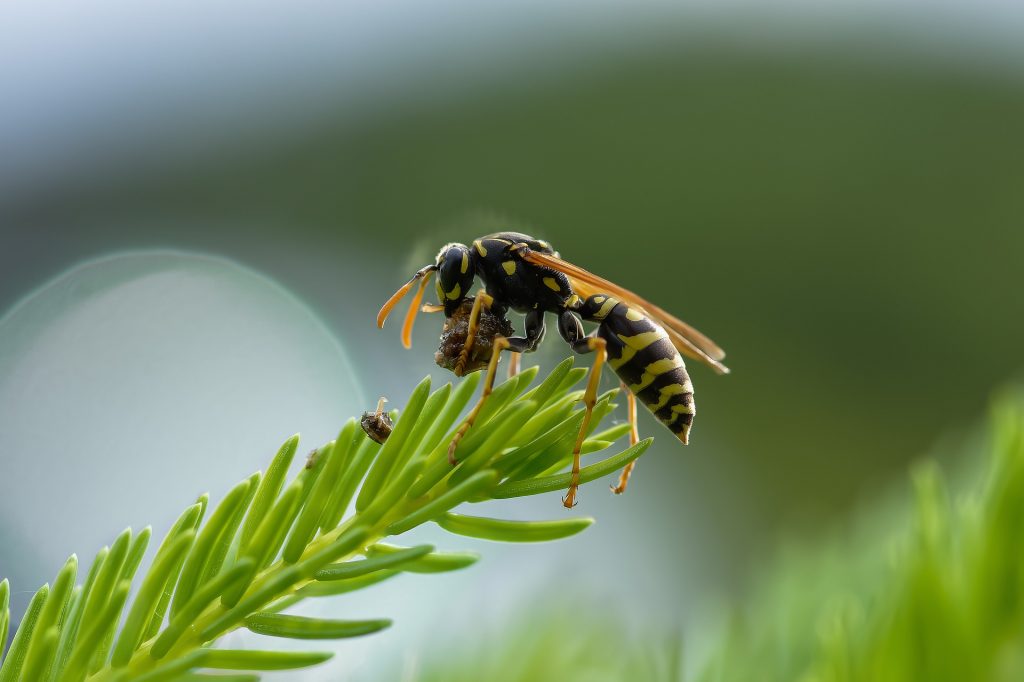
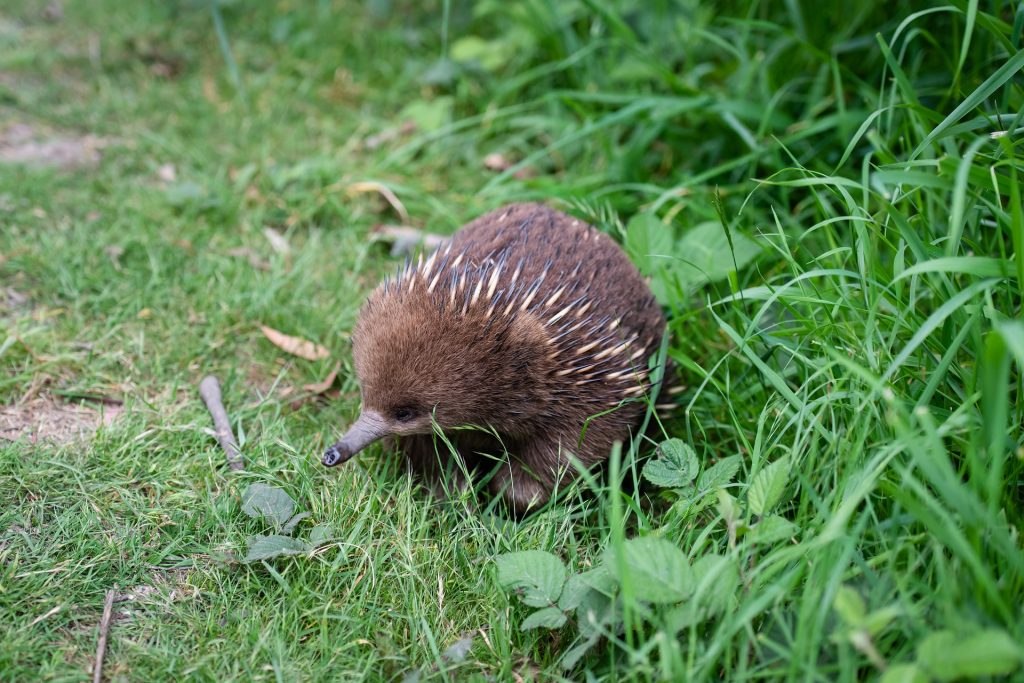
Insectivores are predators that catch and eat insects. These predators may also eat other small invertebrates, such as spiders, millipedes, centipedes, and earthworms, as well.
Some insectivores specialize in catching and feeding upon flying insects, sometimes called aeroplankton. Examples of this type include dragonflies, smaller species of bats, flycatchers, swallows, and swifts. Insectivores that feed on flying insects must be quick and manoeuvrable fliers, and must have acute means of detecting their prey. Most species are visual predators, meaning they detect flying insects by sight. Bats, however, feed in darkness at night or dusk, and they locate their prey using echolocation, a type of biological sonar.
Insectivorous Plants
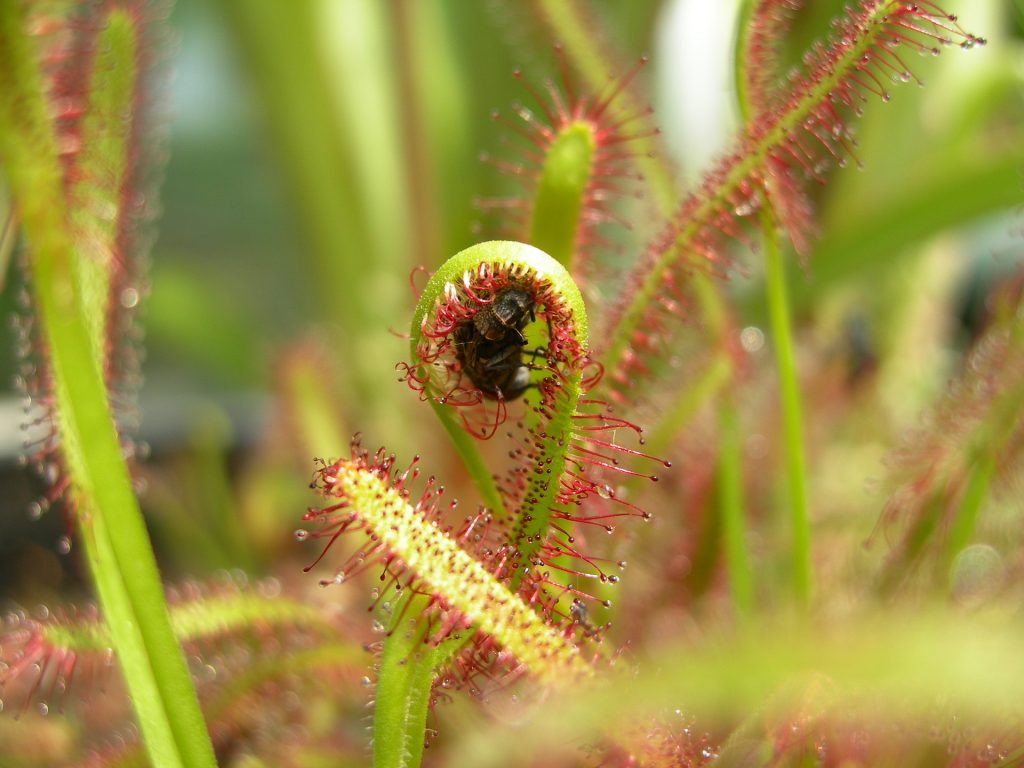
Although they are not necessarily part of the animal kingdom, insectivorous plants play an important role in maintaining the population of insects. These plants are highly adapted to their reliance on animals as a food source by the use of a variety of mechanisms to secure their prey, such as pitfalls, sticky surfaces, hair-trigger snaps, bladder-snaps, entangling furriness, and lobster-pot traps. Also known as carnivorous plants, they appear adapted to grow in places where the soil is thin or poor in nutrients.
However, animals are not these plants main source of energy, no matter how critical of a source of important minerals. Insectivorous plants, like many other plants, generally gain their source of energy from photosynthesis.