See Also:
Temperate, Alpine, Cold, Ice Caps, Polar, Subarctic, Oceanic
Tundra is a type of biome where the growth of trees are hindered by low temperatures and short growing seasons. Tundra vegetation is composed of dwarf shrubs, sedges and grasses, mosses, and lichens. Scattered trees tend to grow in some tundra regions. The soil in a tundra biome is rich in nitrogen and phosphorous.
Tundra climates as a rule are hostile to woody vegetation even where the winters are comparatively mild by polar standards, as in Iceland.
There are three regions and associated types of tundra: Arctic Tundra, Alpine Tundra, and Antarctic Tundra.

Arctic Tundra
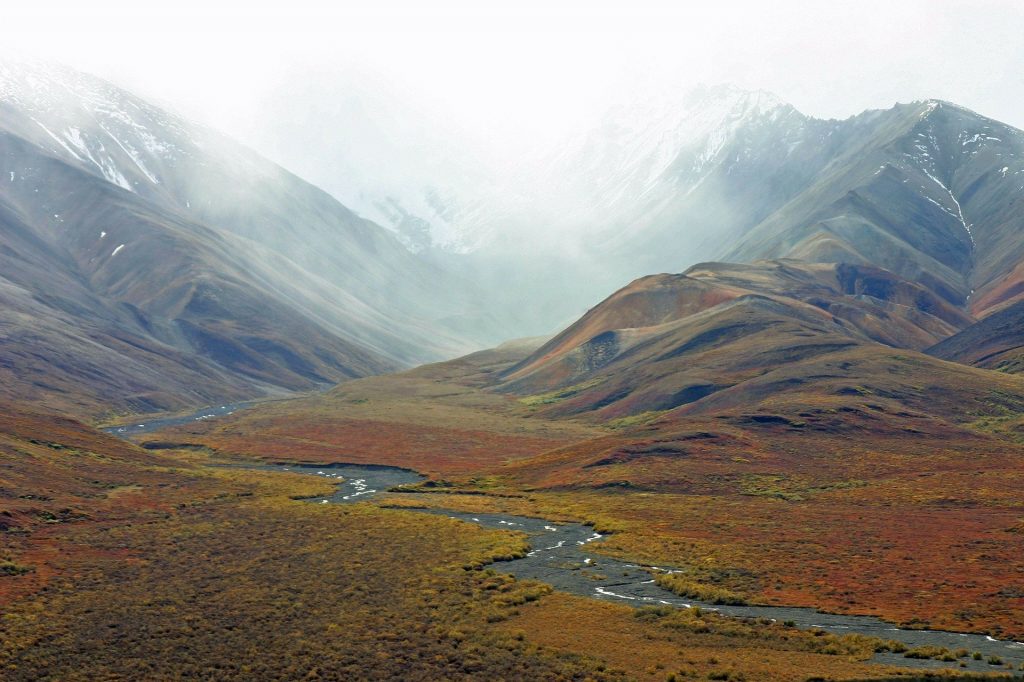
Arctic tundra occurs in the far Northern Hemisphere, north of the taiga belt. The word “tundra” usually refers only to the areas where the subsoil is permafrost, or permanently frozen soil. Permafrost tundra includes vast areas of northern Russia and Canada.
Arctic tundra contains areas of stark landscape and is frozen for much of the year. The soil there is frozen from 25 – 90 cm (10 to 35 in) down, making it impossible for trees to grow. Instead, bare and sometimes rocky land can only support certain kinds of arctic vegetation, low growing plants such as moss, heath, and lichen.
There are two main seasons, winter and summer, in the polar tundra areas. During the winter it is very cold and dark, with the average temperature around -28 °C (-18 °F), sometimes dipping as low as -50 °C (-58 °F). During the summer, temperatures rise somewhat and the top layer of seasonally-frozen soil melts, leaving the ground very soggy. The tundra is covered in marshes, lakes, bogs and streams during the warm months. Generally daytime temperatures during the summer rise to about 12 °C (54 °F) but can often drop to 3 °C (37 °F) or even below freezing. Arctic tundras are sometimes the subject of habitat conservation programs. In Canada and Russia, many of these areas are protected through a national Biodiversity Action Plan.
Tundra tends to be windy, with winds often blowing upwards of 50 – 100 km/h (30 – 60 mph). However, it is desert-like, with only about 150 – 250 mm (6 – 10 in) of precipitation falling per year. Although precipitation is light, evaporation is also relatively minimal. During the summer, the permafrost thaws just enough to let plants grow and reproduce, but because the ground below this is frozen, the water cannot sink any lower, and so the water forms the lakes and marshes found during the summer months. There is a natural pattern of accumulation of fuel and wildfire which varies depending on the nature of vegetation and terrain. Research in Alaska has shown fire-event return intervals (FRIs) that typically vary from 150 to 200 years, with dryer lowland areas burning more frequently than wetter highland areas.
The biodiversity of tundra is low: 1,700 species of vascular plants and only 48 species of land mammals can be found, although millions of birds migrate there each year for the marshes. There are also a few fish species. Notable animals in the Arctic tundra include reindeer, musk ox, arctic hare, arctic fox, snowy owl, lemmings, and even polar bears near the ocean. Tundra is largely devoid of poikilotherms such as frogs or lizards.
Due to the harsh climate of Arctic tundra, regions of this kind have seen little human activity, even though they are sometimes rich in natural resources such as petroleum, natural gas and uranium. In recent times this has begun to change in Alaska, Russia, and some other parts of the world: for example, the Yamalo-Nenets Autonomous Okrug produces 90% of Russia’s natural gas.
The Effects of Global Warming
A severe threat to tundra is global warming, which causes permafrost to melt. The melting of the permafrost in a given area on human time scales (decades or centuries) could radically change which species can survive there.
Another concern is that about one third of the world’s soil-bound carbon is in taiga and tundra areas. When the permafrost melts, it releases carbon in the form of carbon dioxide and methane, both of which are greenhouse gases. The effect has been observed in Alaska. In the 1970s the tundra was a carbon sink, but today, it is a carbon source. Methane is produced when vegetation decays in lakes and wetlands.
In locations where dead vegetation and peat has accumulated, there is a risk of wildfire, such as the 1,039 km2 (401 sq mi) of tundra which burned in 2007 on the north slope of the Brooks Range in Alaska. Such events may both result from and contribute to global warming.
Antarctic Tundra
Antarctic tundra occurs on Antarctica and on several Antarctic and subantarctic islands, including South Georgia and the South Sandwich Islands and the Kerguelen Islands. Most of Antarctica is too cold and dry to support vegetation, and most of the continent is covered by ice fields. However, some portions of the continent, particularly the Antarctic Peninsula, have areas of rocky soil that support plant life. The flora presently consists of around 300–400 lichens, 100 mosses, 25 liverworts, and around 700 terrestrial and aquatic algae species, which live on the areas of exposed rock and soil around the shore of the continent. Antarctica’s two flowering plant species, the Antarctic hair grass and Antarctic pearlwort, are found on the northern and western parts of the Antarctic Peninsula.
In contrast with the Arctic tundra, the Antarctic tundra lacks a large mammal fauna, mostly due to its physical isolation from the other continents. Sea mammals and sea birds, including seals and penguins, inhabit areas near the shore, and some small mammals, like rabbits and cats, have been introduced by humans to some of the subantarctic islands. The Antipodes Subantarctic Islands tundra ecoregion includes the Bounty Islands, Auckland Islands, Antipodes Islands, the Campbell Island group, and Macquarie Island. Species endemic to this ecoregion include Nematoceras dienemum and Nematoceras sulcatum, the only subantarctic orchids; the royal penguin; and the Antipodean albatross.
The flora and fauna of Antarctica and the Antarctic Islands (south of 60° south latitude) are protected by the Antarctic Treaty.
Alpine Tundra
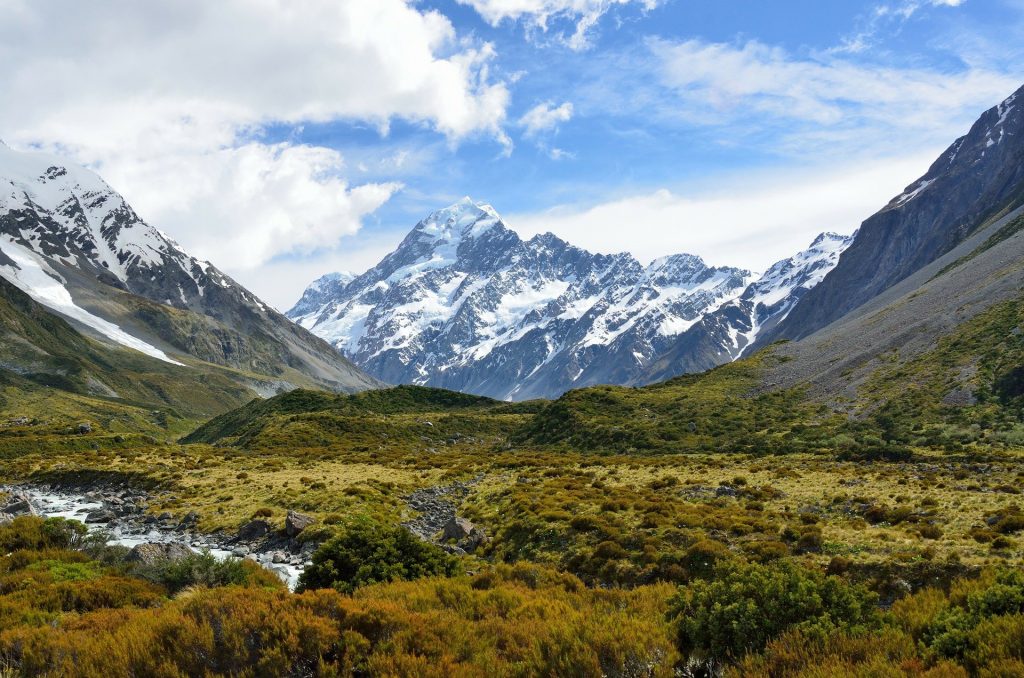
Alpine tundra does not contain trees because the climate and soils at high altitude block tree growth. The cold climate of the alpine tundra is caused by the low air temperatures, and is similar to polar climate. Alpine tundra is distinguished from arctic tundra in that alpine tundra typically does not have permafrost, and alpine soils are generally better drained than arctic soils. Alpine tundra transitions to subalpine forests below the tree line; stunted forests occurring at the forest-tundra ecotone (the treeline) are known as Krummholz.
Alpine tundra occurs in mountains worldwide. The flora of the alpine tundra is characterized by plants that grow close to the ground, including perennial grasses, sedges, forbs, cushion plants, mosses, and lichens. The flora is adapted to the harsh conditions of the alpine environment, which include low temperatures, dryness, ultraviolet radiation, and a short growing season.
]]>Also Known As:
Road Kill, Carcass, Remains, Offal
See Also:
Scavenger, Carnivore, Omnivore
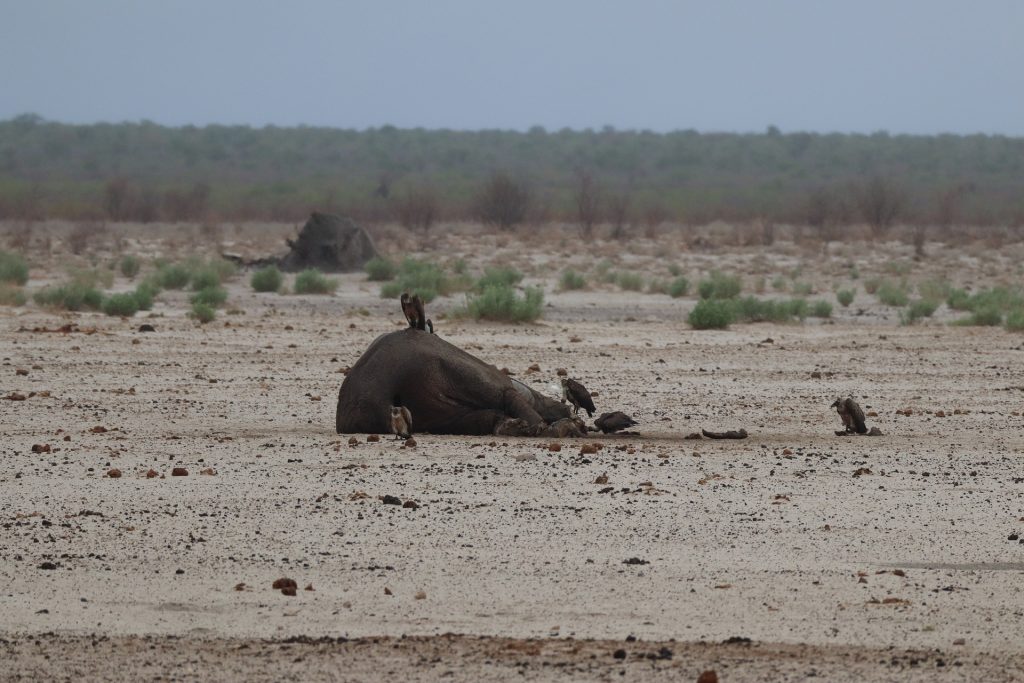
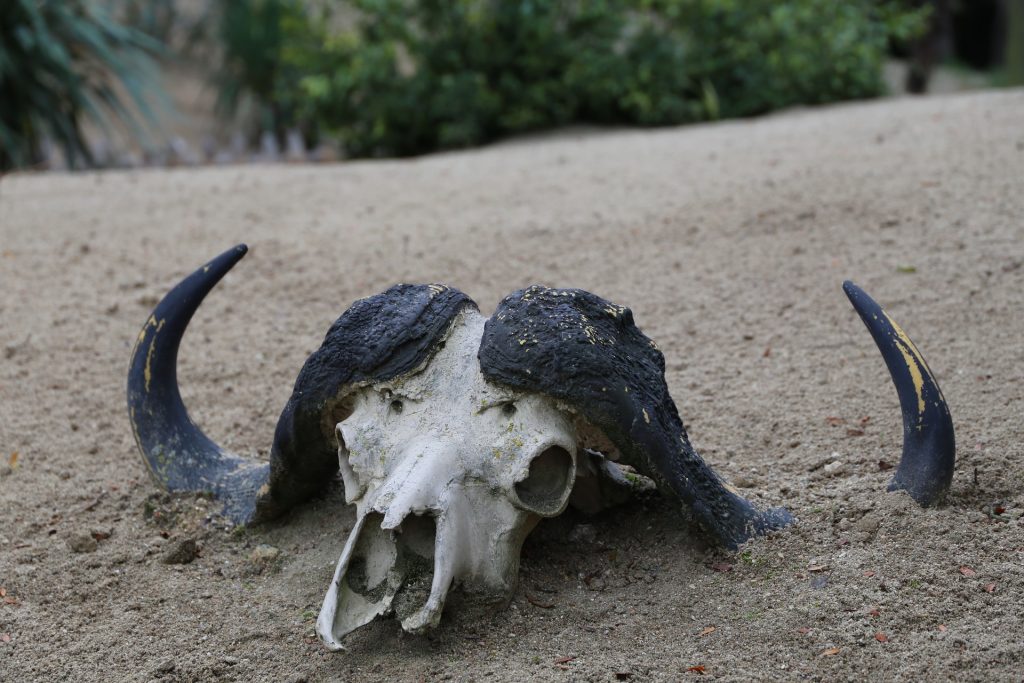
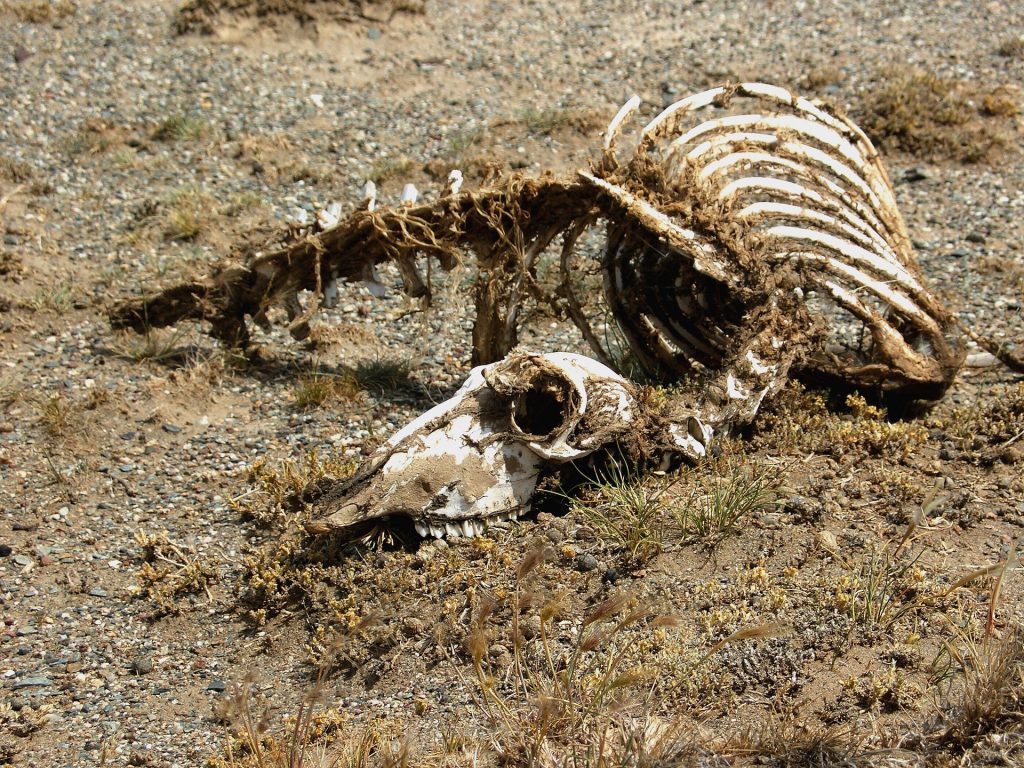
Carrion is the decaying flesh of dead animals, including human flesh, and serves as a food source for carnivorous or omnivorous animals and birds.
Carrion begins to decay at the moment of the animal’s death, and it will increasingly attract insects and breed bacteria. Not long after the animal has died, its body will begin to exude a foul odour caused by the presence of bacteria and the emission of cadaverine and putrescine.
Sometimes carrion is used to describe an infected carcass that is diseased and should not be touched.
Definition and Related Terms
To be classified as carrion, the animal cannot have been killed by the same animal consuming it but must have died from another cause. The word carrion comes from the Latin caro, meaning meat.
Carrion can come from many sources and can be dead animals of all sizes, from small rodents to larger mammals or even whales. Scavengers do not discriminate about where they get their next meal.
As carrion ages, it is often accompanied by a foul, rancid smell caused by bacterial growth, and the meat is unfit for human consumption. Animals and birds, however, have different digestive systems and better tolerance for old meat, and can often feed on a carcass even if it has significantly decayed. In many cases, an older carcass is even more palatable to birds, because as the meat rots, it becomes softer and easier for smaller bills or talons to tear into.
In addition to birds, many insects, mammals, and even large reptiles such as Komodo dragons will eat carrion. Opossums, coyotes, and hyenas are other animals known for eating carrion. Humans rarely eat these carcasses, however, because not only is the meat unsafe for humans to eat, but many religious guidelines and social taboos prohibit carrion as a food source.
The Importance of Carrion in the Ecosystem
Carrion is an important food source for large carnivores and omnivores in most ecosystems. Examples of carrion-eaters (or scavengers) include vultures, condors, hawks, eagles, hyenas, Virginia opossum, Tasmanian devils, coyotes and Komodo dragons. Many invertebrates, such as the carrion and burying beetles, as well as maggots of calliphorid flies and flesh-flies, also eat carrion, playing an important role in recycling nitrogen and carbon in animal remains.
The Hazards of Carrion Meat
Dead carcasses can be an easy food source for many birds, but carrion is not without risks. Depending on how the animal died and how long it has been deceased, risks include:
- Disease transmission through excessive bacteria, insects, or contamination from the feces of previous carrion-eaters.
- Inadvertent poisoning from lead contamination of hunting offal when birds may ingest any remaining lead pellets.
- Poisoning from a carcass that has been illegally tainted as a trap for unwanted predators or that is contaminated with pesticides.
- Attacks by other predators drawn by the scent of the decaying carcass, particularly when competition for food is high.
- Vehicle collisions when feeding on carcasses on roadways, including birds getting hit because they are too stuffed with their meal to fly out of the way.
Many birds that feed on carrion have adaptations or strategies to deal with these risks. Stronger stomach acids can kill many disease-causing bacteria, and birds that regularly dig into carcasses, such as vultures, often have bare faces and heads to minimize insect and bacteria infestation. Smaller birds that eat carrion may feed in flocks, and large numbers can help deter other predators from taking over the carcass.
Birds may also gorge on carrion, storing the meat in their crops and leaving quickly to digest in a safer place. Unfortunately, birds are not able to detect lead contamination or other toxic contamination in a carcass, and many vultures and large raptors are killed each year by this type of poisoning. Switching to non-lead ammunition can help reduce this threat, and drivers should also be aware of carcasses alongside roads and slow down to avoid hitting any feeding birds.
]]>See Also:
Herbivore, Omnivore, Insectivore
A folivore is a herbivore that specializes in eating leaves. Mature leaves contain a high proportion of hard-to-digest cellulose, less energy than other types of foods, and often toxic components. For this reason, folivorous animals tend to have long digestive tracts and slow metabolisms.
Many folivores enlist the help of symbiotic bacteria to release the nutrients in their diet. Additionally, as has been observed in folivorous primates, they exhibit a strong preference for immature leaves, which tend to be easier to masticate, tend to be higher in energy and protein, and lower in fibre and poisons than more mature fibrous leaves.
The Evolution of Herbivory
Herbivory has evolved several times among different groups of animals. The first vertebrates were small fish that consumed protists and invertebrates. After these fish, the next group of vertebrates to evolve were piscivores, then insectivores, carnivores and finally herbivores. Since a complex set of adaptations was necessary for feeding on highly fibrous plant materials (structural modifications to the teeth, jaws, and digestive tract) and only a small proportion of extant tetrapods are obligate herbivores, it could be that early tetrapods made the transition to fully fledged herbivory by way of omnivory.
Folivorous Primates
Standard ecological theory predicts relatively large group sizes for folivorous primates, as large groups offer better collective defence against predators and they face little competition for food among each other. It has been observed that these animals nevertheless frequently live in small groups. Explanations offered for this apparent paradox include social factors such as increased incidence of infanticide in large groups.
Folivorous primates are relatively rare in the New World, the primary exception being howler monkeys. One explanation that has been offered is that fruiting and leafing occur simultaneously among New World plants. However a 2001 study found no evidence for simultaneous fruiting and leafing at most sites, apparently disproving this hypothesis.
Impressive Climbers
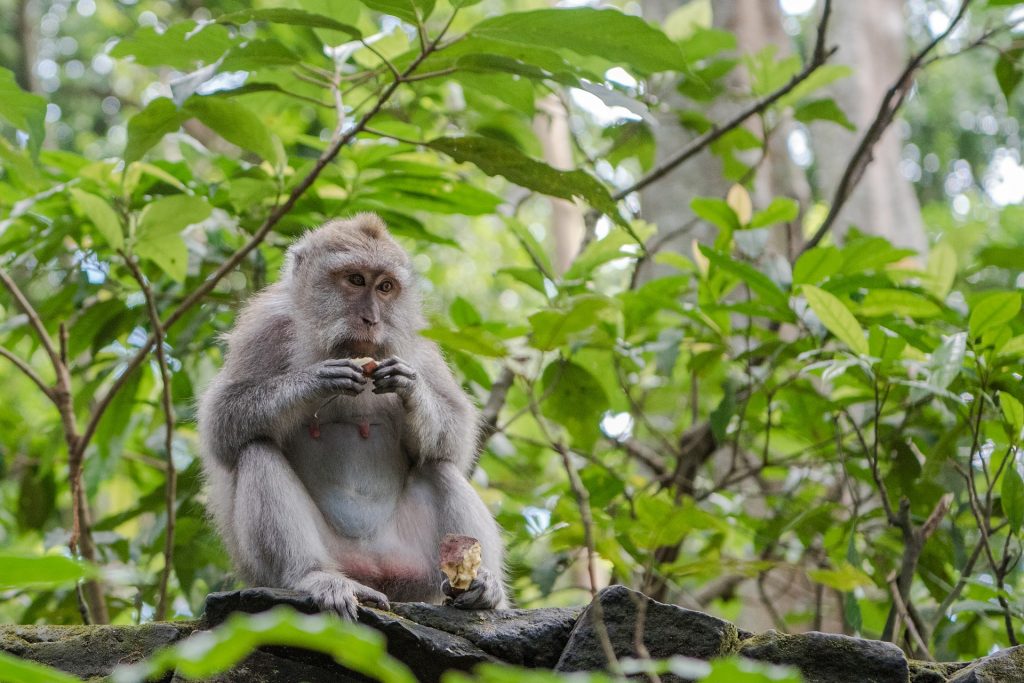
Arboreal mammalian folivores, such as sloths, koalas, and some species of monkeys and lemurs, tend to be large and climb cautiously. Similarities in body shape and head- and tooth-structure between early hominoids and various families of arboreal folivores have been advanced as evidence that early hominoids were also folivorous.
]]>See Also:
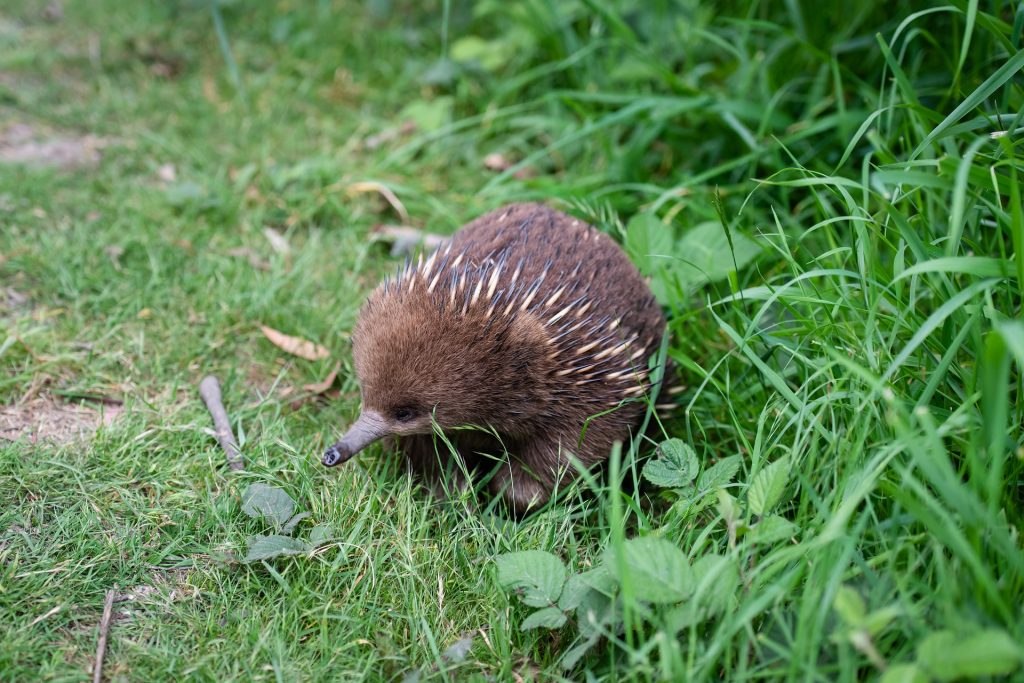
An insectivore is a carnivorous plant or animal that eats insects. The first vertebrate insectivores were amphibians. When they evolved 400 million years ago, the first amphibians were piscivores, with numerous sharp conical teeth, much like a modern crocodile.
Although individually small, insects exist in enormous numbers. Insects make up a very large part of the animal biomass in almost all non-marine, non-polar environments. It has been estimated that the global insect biomass is in the region of 1,000,000,000,000 (1 trillion) kg with an estimated population of 1,000,000,000,000,000,000 (1 quintillion) organisms. Many creatures depend on insects as their primary diet, and many that do not (and are thus not technically insectivores) nevertheless use insects as a protein supplement, particularly when they are breeding.
Definition and Related Terms
Insectivores are predators that catch and eat insects. These predators may also eat other small invertebrates, such as spiders, millipedes, centipedes, and earthworms, as well.
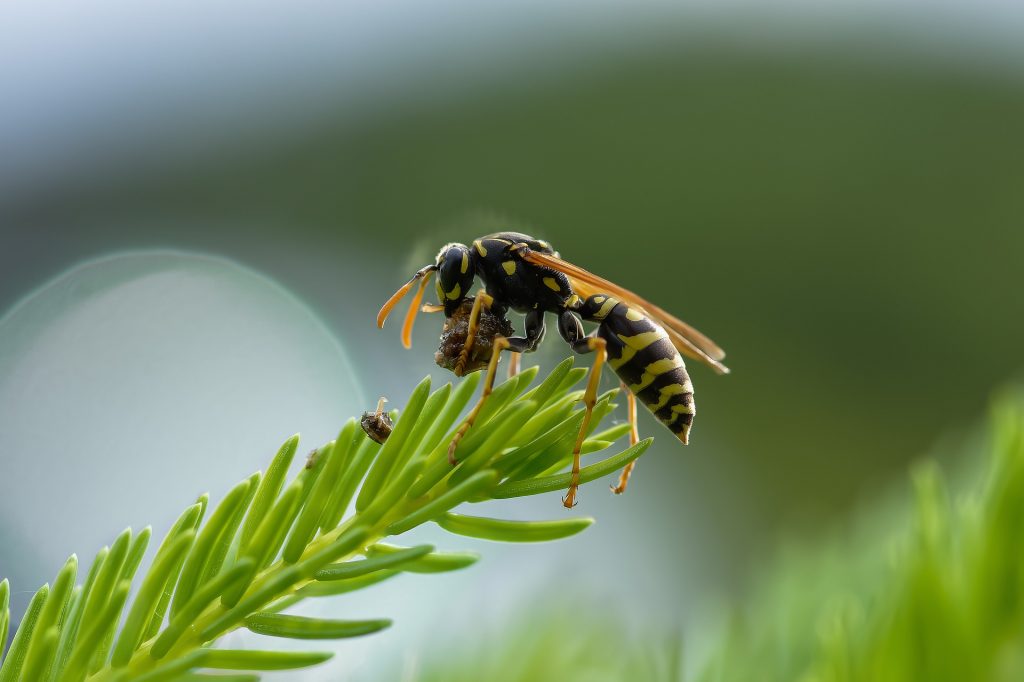
Some insectivores specialize in catching and feeding upon flying insects, sometimes called aeroplankton. Examples of this type include dragonflies, smaller species of bats, flycatchers, swallows, and swifts. Insectivores that feed on flying insects must be quick and manoeuvrable fliers, and must have acute means of detecting their prey. Most species are visual predators, meaning they detect flying insects by sight. Bats, however, feed in darkness at night or dusk, and they locate their prey using echolocation, a type of biological sonar.
Insectivorous Plants
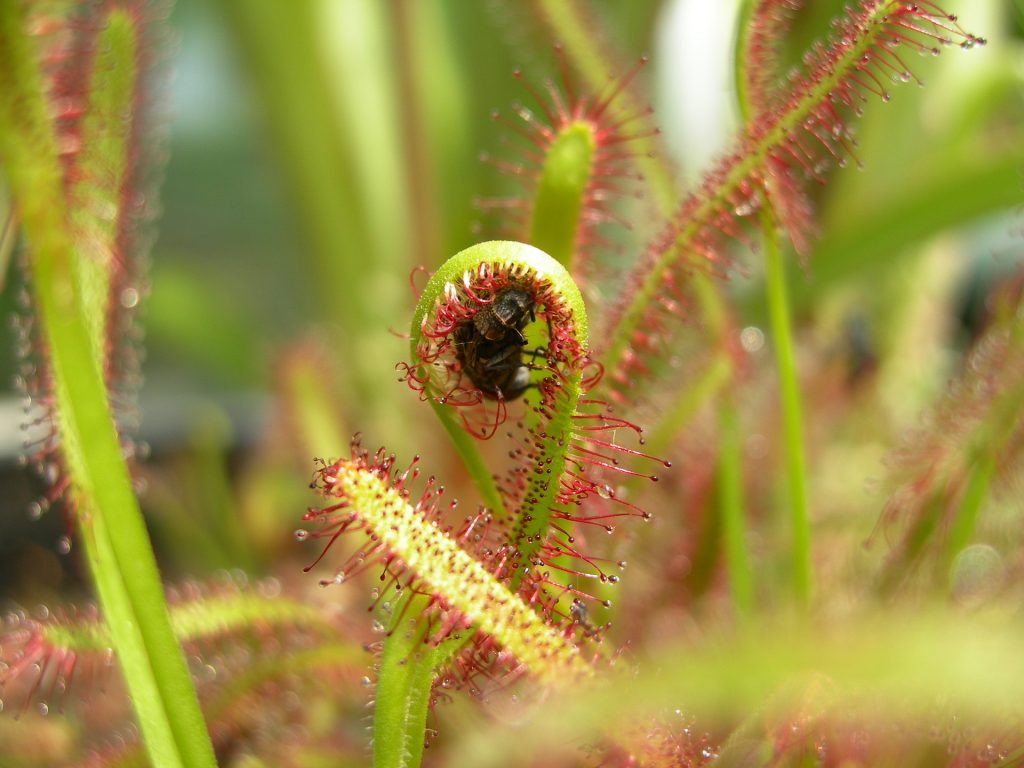
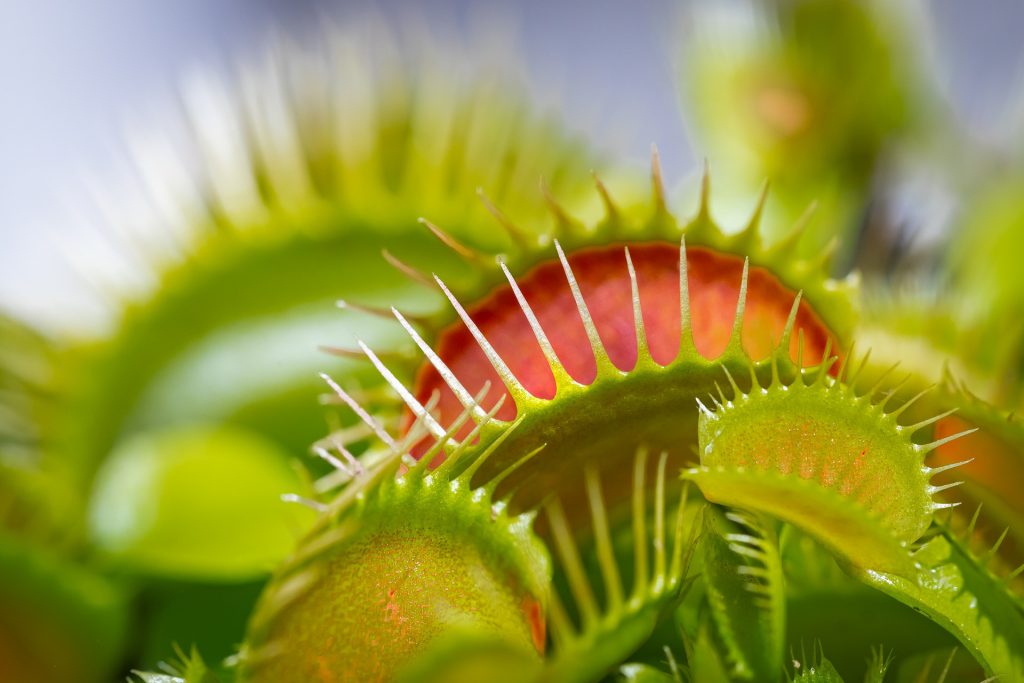
Although they are not necessarily part of the animal kingdom, insectivorous plants play an important role in maintaining the population of insects. These plants are highly adapted to their reliance on animals as a food source by the use of a variety of mechanisms to secure their prey, such as pitfalls, sticky surfaces, hair-trigger snaps, bladder-snaps, entangling furriness, and lobster-pot traps. Also known as carnivorous plants, they appear adapted to grow in places where the soil is thin or poor in nutrients.
However, animals are not these plants main source of energy, no matter how critical of a source of important minerals. Insectivorous plants, like many other plants, generally gain their source of energy from photosynthesis.
]]>See Also:
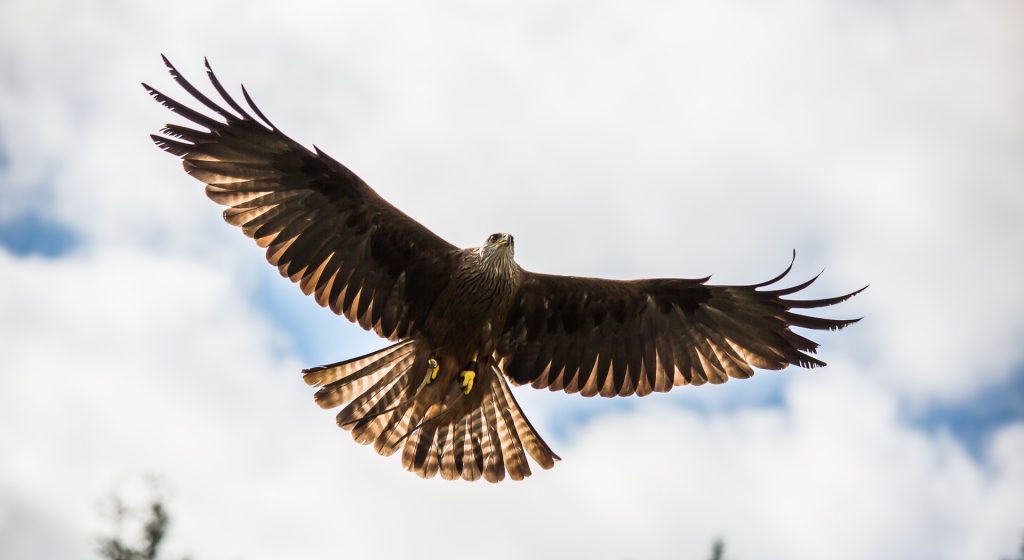
Scavengers are animals that consume dead organisms that have died from causes other than predation. While scavenging generally refers to carnivores feeding on carrion, it is also a herbivorous feeding behaviour. Scavengers play an important role in the ecosystem by consuming dead animals and plants.
Scavengers aid in overcoming fluctuations of food resources in the environment. The process and rate of scavenging is affected by both biotic and biotic factors, such as carcass size, habitat, temperature, and seasons.
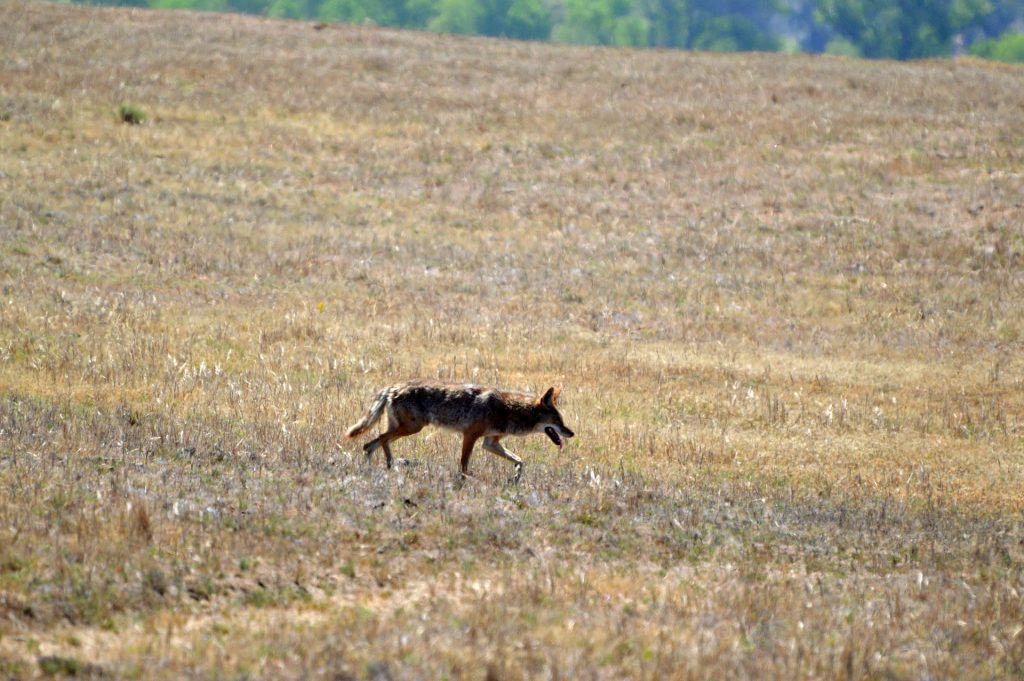
Types of Scavengers
Obligate scavenging is rare among vertebrates, due to the difficulty of finding enough carrion without expending too much energy.
Well-known invertebrate scavengers of animal material include burying beetles and blowflies, which are obligate scavengers, and yellowjackets. Fly larvae are also common scavengers for organic materials at the bottom of freshwater bodies. For example, Tokunagayusurika akamusi is a species of midge fly whose larvae live as obligate scavengers at the bottom of lakes and whose adults almost never feed and only live up to a few weeks.
Most scavenging animals are facultative scavengers that gain most of their food through other methods, especially predation. Many large carnivores that hunt regularly, such as hyenas and jackals, but also animals rarely thought of as scavengers, such as African lions, leopards, and wolves will scavenge if given the chance. They may also use their size and ferocity to intimidate the original hunters (the cheetah is a notable victim, rather than a perpetrator). Almost all scavengers above insect size are predators and will hunt if not enough carrion is available, as few ecosystems provide enough dead animals year-round to keep its scavengers fed on that alone. Scavenging wild dogs and crows frequently exploit roadkill.
Scavengers of dead plant material include termites that build nests in grasslands and then collect dead plant material for consumption within the nest. The interaction between scavenging animals and humans is seen today most commonly in suburban settings with animals such as opossums, polecats and raccoons. In some African towns and villages, scavenging from hyenas is also common.
Impact on the Environment
Scavengers play a fundamental role in the environment through the removal of decaying organisms, serving as a natural sanitation service. While microscopic and invertebrate decomposers break down dead organisms into simple organic matter which are used by nearby autotrophs, scavengers help conserve energy and nutrients obtained from carrion within the upper trophic levels, and are able to disperse the energy and nutrients farther away from the site of the carrion than decomposers.
Scavenging unites animals which normally would not come into contact, and results in the formation of highly structured and complex communities which engage in non-random interactions. Scavenging communities function in the redistribution of energy obtained from carcasses and reducing diseases associated with decomposition. Oftentimes, scavenger communities differ in consistency due to carcass size and carcass types, as well as by seasonal effects as consequence of differing invertebrate and microbial activity.
Competition for carrion results in the inclusion or exclusion of certain scavengers from access to carrion, shaping the scavenger community. When carrion decomposes at a slower rate during cooler seasons, competitions between scavengers decrease, while the number of scavenger species present increases.
Transmission of Disease
Scavenging may provide a direct and indirect method for transmitting disease between animals. Scavengers of infected carcasses may become hosts for certain pathogens and consequently vectors of disease themselves. An example of this phenomenon is the increased transmission of tuberculosis observed when scavengers engage in eating infected carcasses. Likewise, the ingestion of bat carcasses infected with rabies by striped skunks resulted in increased infection of these organisms with the virus.
A major vector of transmission of diseases are various bird species, with outbreak being influenced by such carrier birds and their environment. An avian cholera outbreak from 2006 to 2007 off the coast Newfoundland, Canada resulted in the mortality of many marine bird species. The transmission, perpetuation and spread of the outbreak was mainly restricted to gull species who scavenge for food in the area. Similarly, an increase of transmission of avian influenza virus to chickens by domestic ducks from Indonesian farms permitted to scavenge surrounding areas was observed in 2007. The scavenging of ducks in rice paddy fields in particular resulted in increased contact with other bird species feeding on leftover rice, which may have contributed to increased infection and transmission of the avian influenza virus. The domestic ducks may not have demonstrated symptoms of infection themselves, though were observed to excrete high concentrations of the avian influenza virus.
]]>See Also:
Herbivore, Carnivore, Scavenger, Insectivore
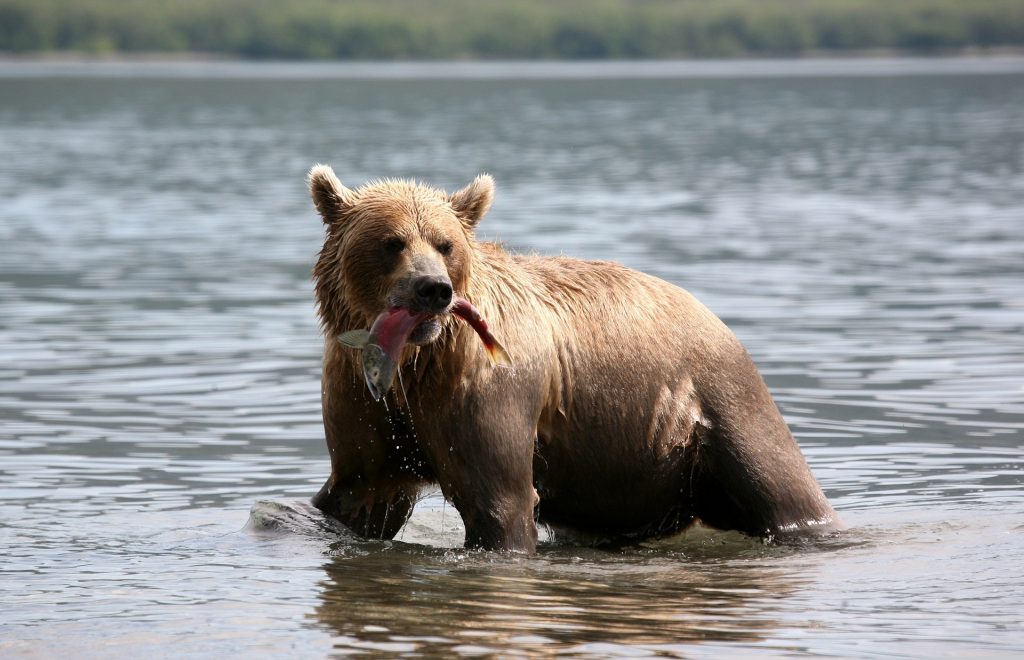
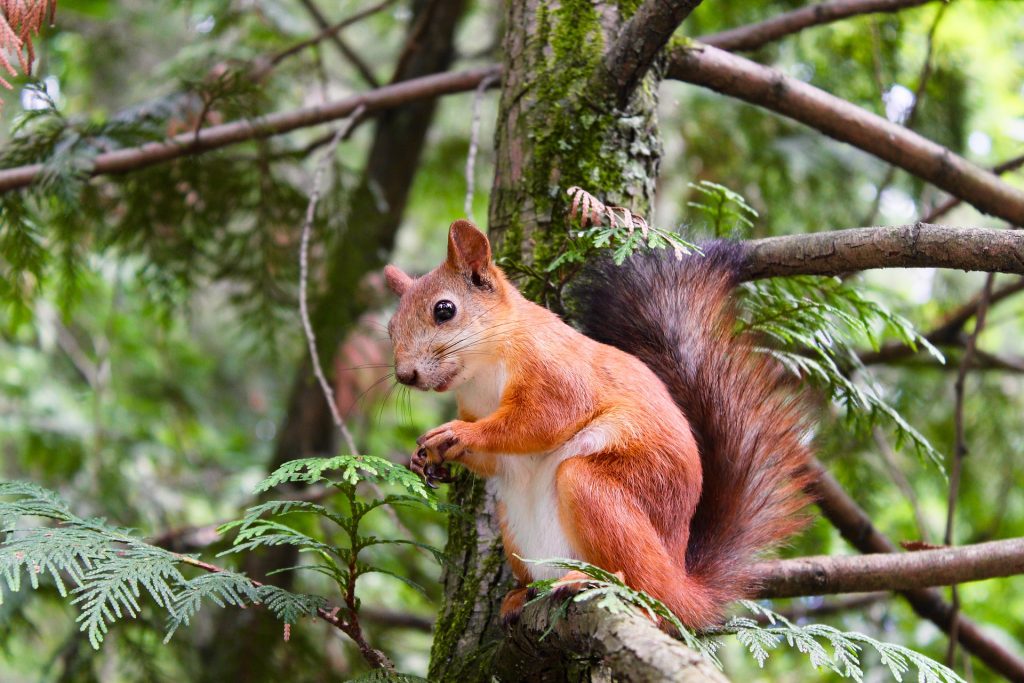
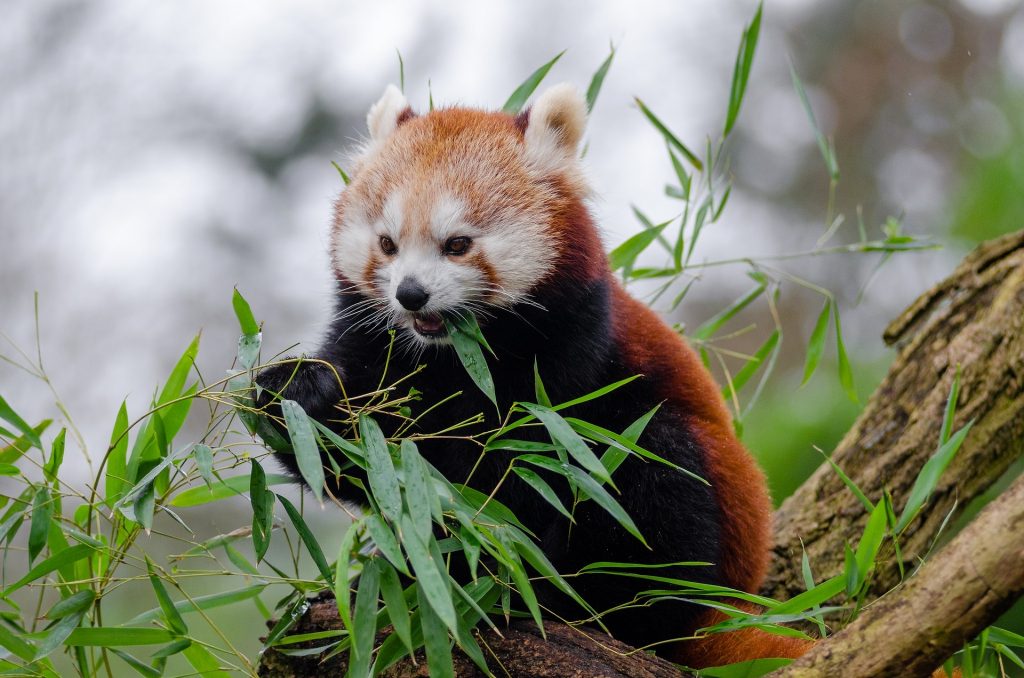
An Omnivore is an organism that regularly consumes a variety of material, including plants, animals, algae, and fungi. They range in size from tiny insects like ants to large creatures-like people.
Because they have an easier time finding food, omnivores are sometimes better at adapting to new environments than creatures with more specific feeding habits. Omnivores can better adapt to development than herbivores or carnivores.
Animals that hunt other animals are known as predators, while those that are hunted are known as prey. Since omnivores hunt and are hunted, they can be considered both predators and prey. They can also be scavengers, animals that feed on the remains of dead animals.
Definition and Related Terms
An omnivore is an organism that can feed on both plant and animal sources. Carnivores are animals that feed only on other animals. Herbivores feed exclusively on plant material. An omnivore can feed on both sources.
Although a species as a whole may be omnivores, not all members of the species must be omnivores. Across the human species, while many are omnivorous just as many are vegan and partake in no animal products. In this case, humans are physiologically omnivorous, in that it is possible for them to obtain nutrients from both sources. However, many people are behaviourally herbivorous, and choose not to eat animal products because they can derive all the nutrients they need without animal products. One theory of human evolution suggests that our ancestors were mainly herbivorous, switching to become omnivores when tools and fire aided in the capture and edibility of animals.
Diverse Diet
Omnivores have evolved various traits to help them eat both plants and animals. Many omnivores have a mixture of sharp teeth (for ripping through muscle tissue) and flat molars (for grinding plant matter). However, some omnivores like Chickens, have no teeth and swallow their food whole.
An omnivore has the liberty of getting their meal from a large variety of food sources, such as from plants, and meat. They have the ability to incorporate food sources such as algae, fungi, and bacteria into their diet.
]]>See Also:
Herbivore, Omnivore, Scavenger
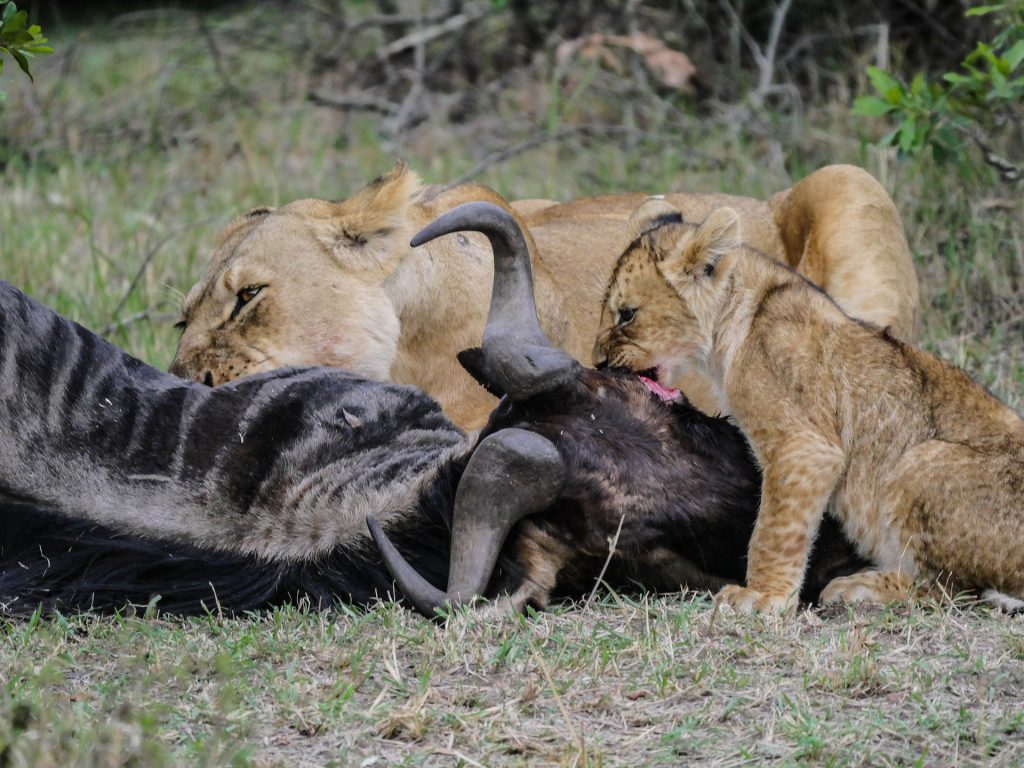
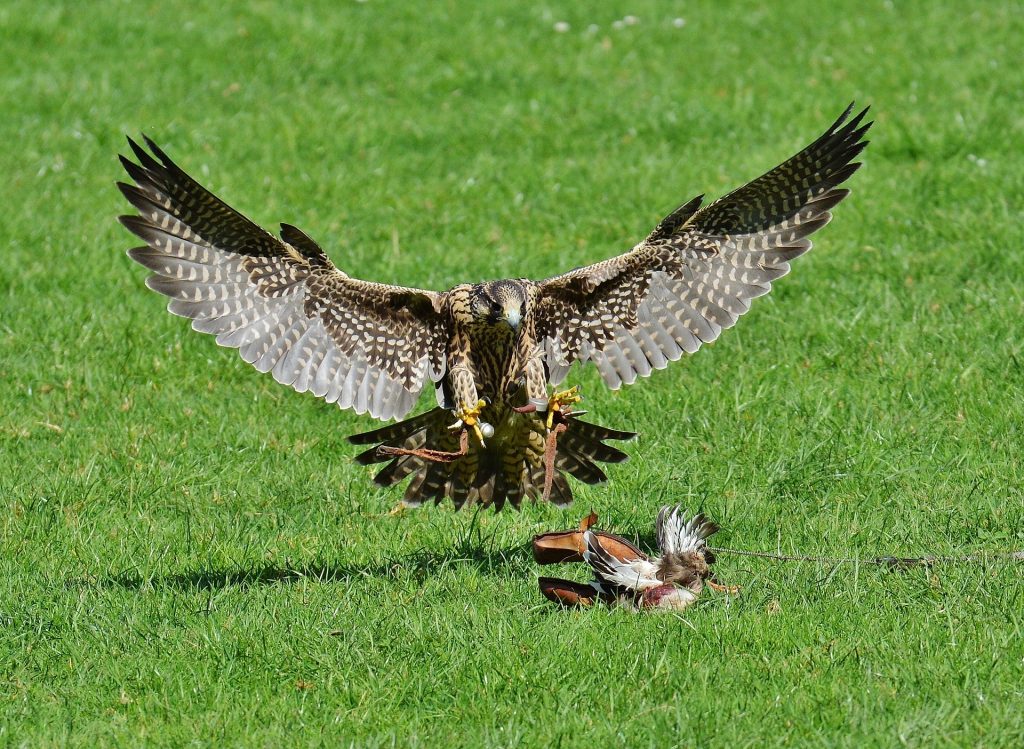
A carnivore is an animal that eats primarily meat, or animal tissue, through hunting or scavenging. Typically, a carnivore is considered to be at the top of the food chain, not preyed upon by other animals, and is termed an apex predator.
Carnivores are sometimes characterized by their type of prey. For example, animals that eat mainly insects and similar invertebrates are called insectivores, while those that eat mainly fish are called piscivores. The first tetrapods, or land-dwelling vertebrates, were piscivorous amphibians known as labyrinthodonts. They gave rise to insectivorous vertebrates and, later, to predators of other tetrapods.
Carnivores may alternatively be classified according to the percentage of meat in their diet. The diet of a hypercarnivore consists of more than 70% meat, that of a mesocarnivore 30–70%, and that of a hypocarnivore less than 30%, with the balance consisting of non-animal foods such as fruits, other plant material, or fungi.
Carnivores in the Food Chain
For a healthy ecosystem it is important that the population of autotrophs, herbivores, and carnivores remain in balance. Carnivores depend on herbivores and other animals to survive. Zebras and Gazelles once travelled in great herds over the plains of Africa. But these herds have shrunk and are now mostly confined to parks and wildlife reserves. As the number of these herbivores decline, carnivores such as African Wild Dogs, which prey on them, also decline. Scientists estimate that only 3,00 to 5,500 African Wild Dogs remain in the wild.
In some places the disappearance of large carnivores has led to an overpopulation of herbivores, disrupting the ecosystem. Wolves and Cougars are traditional predators of White-Tailed Deer, for instance. But the hunting and development have eliminated these predators from the north-eastern United States. Without natural predators, the population of White-Tailed Deer has skyrocketed. In some cases, there are so many deer that they cannot find enough food. They frequently stray into towns and suburbs in search of food.
The Carnivorous Diet
Certain types of carnivores have specific diets. Some, such as Sea Lions, eat mainly fish. They are called piscivores.
Others, such as lizards, eat mainly insects. They are called insectivores. Many bats are also insectivores. One little brown bat can eat a thousand mosquitoes in an hour. Some insects are themselves insectivores. These include ladybugs, dragonflies, and praying mantises.
Carnivores that have been known to attack and eat human beings are known as man-eaters. Some species of sharks, alligators, and bears are called man-eaters. However, no carnivore specifically hunts human beings or relies on them as a regular food source.
Cannibals are carnivores that eat the meat of members of their own species. Many carnivores practice cannibalism. For some species, cannibalism is a way of eliminating competitors for food, mates, or other resources. Chimpanzees or Bears, for example, will hunt and consume the young of family members, sometimes their own offspring. Praying mantis females will kill and eat the bodies of their mates.
Many carnivores are scavengers, creatures that eat the meat of dead animals, or carrion. Unlike other types of carnivores, scavengers usually do not hunt the animals they eat. Some, such as vultures, consume animals that have died from natural causes. Others, such as hyenas, will snatch meat hunted by other carnivores. Many insects, such as flies and beetles, are scavengers.
Some carnivores, including sea lions, feed often. Others, such as king cobras, can go months between meals.
]]>See Also:
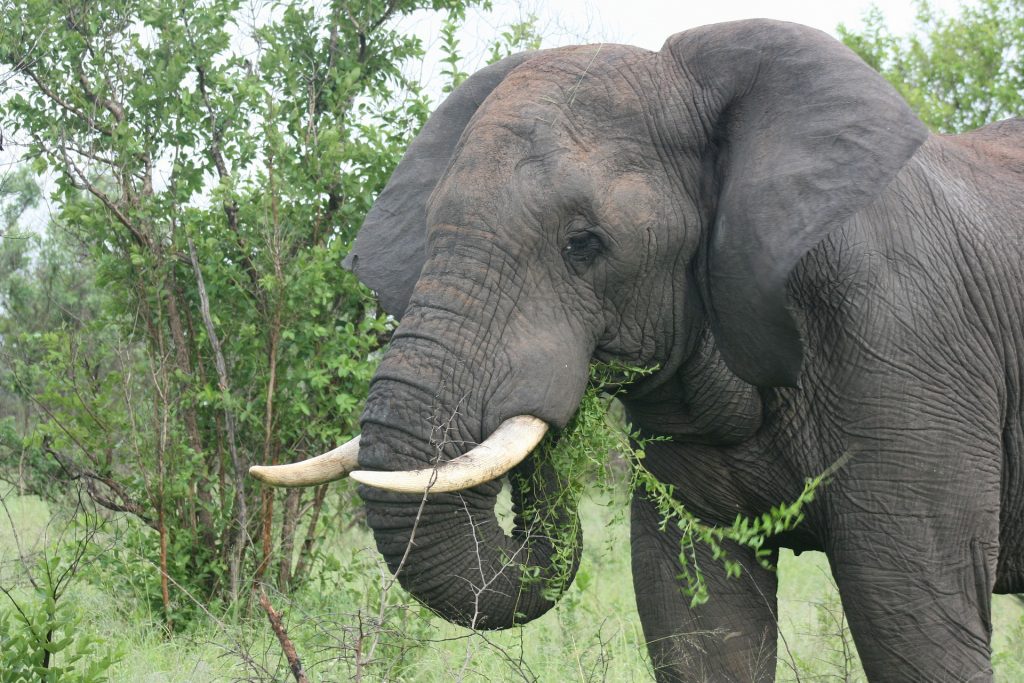
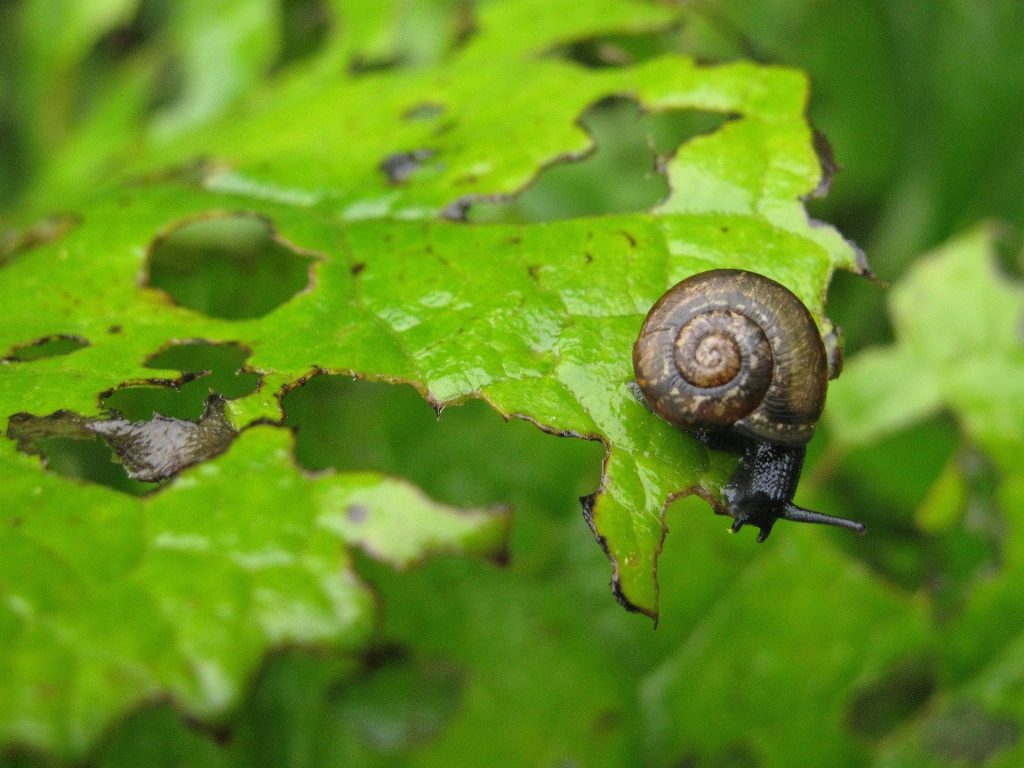
A herbivore is an organism that feeds mostly on plants. Herbivores range in size from tiny insects such as aphids to large, lumbering elephants. Many herbivores spend a large part of their life eating. For example Elephants need to eat about 130kg (300lbs) of food a day. It takes a long time to eat that much leaves and grass, so elephants sometimes eat for 18 hours a day.
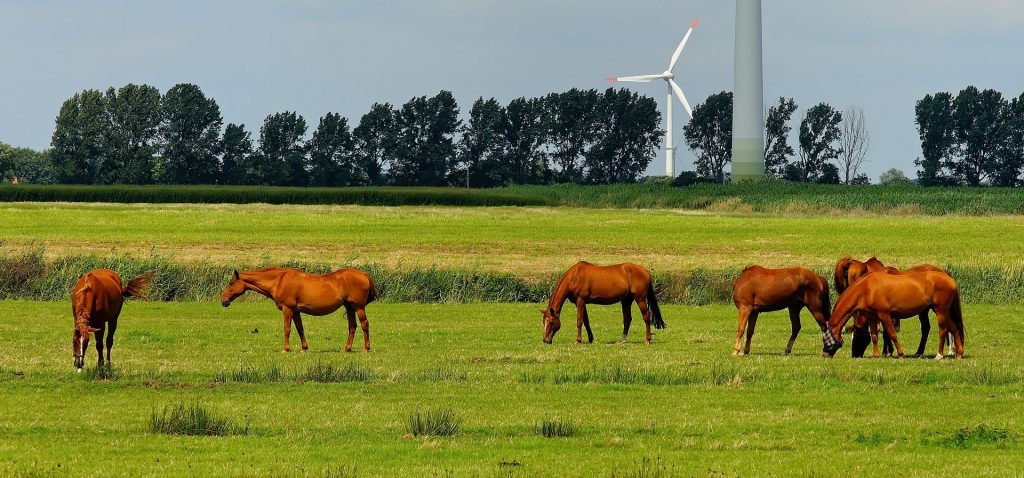
As a result of their plant diet, herbivorous animals typically have mouthparts adapted to rasping or grinding. Horses and other herbivores have wide flat teeth that are adapted to grinding grass, tree bark, and other tough plant material.
A large percentage of herbivores have mutualistic gut flora that help them digest plant matter, which is more difficult to digest than animal prey. This flora is made up of cellulose-digesting protozoans or bacteria.
Definition and Related Terms
Herbivory is a form of consumption in which an organism principally eats autotrophs such as plants, algae and photosynthesizing bacteria. More generally, organisms that feed on autotrophs in general are known as primary consumers. Herbivory is usually limited to animals that eat plants. Fungi, bacteria, and protists that feed on living plants are usually termed plant pathogens (plant diseases), while fungi and microbes that feed on dead plants are described as saprotrophs. Flowering plants that obtain nutrition from other living plants are usually termed parasitic plants.
Picky Eaters
Some herbivores eat any plant matter they can find. Elephants, for example, eat bark, leaves, small branches, roots, grasses, and fruit. Black Rhinoceroses also eat a variety of fruits, branches, and leaves.
Other herbivores eat only one part of a plant. An animal that specializes in eating fruit is called a frugivore. Oilbirds, which live in northern South America, are frugivores. They eat nothing but the fruit of palms and laurels. The Koala, which is native to Australia, eats little besides the leaves of eucalyptus trees. An animal that eats the leaves and shoots of trees is called a folivore. Pandas, which feed almost exclusively on bamboo, are folivores. Termites are insects that feed mostly on wood. Wood-eaters are called xylophages.
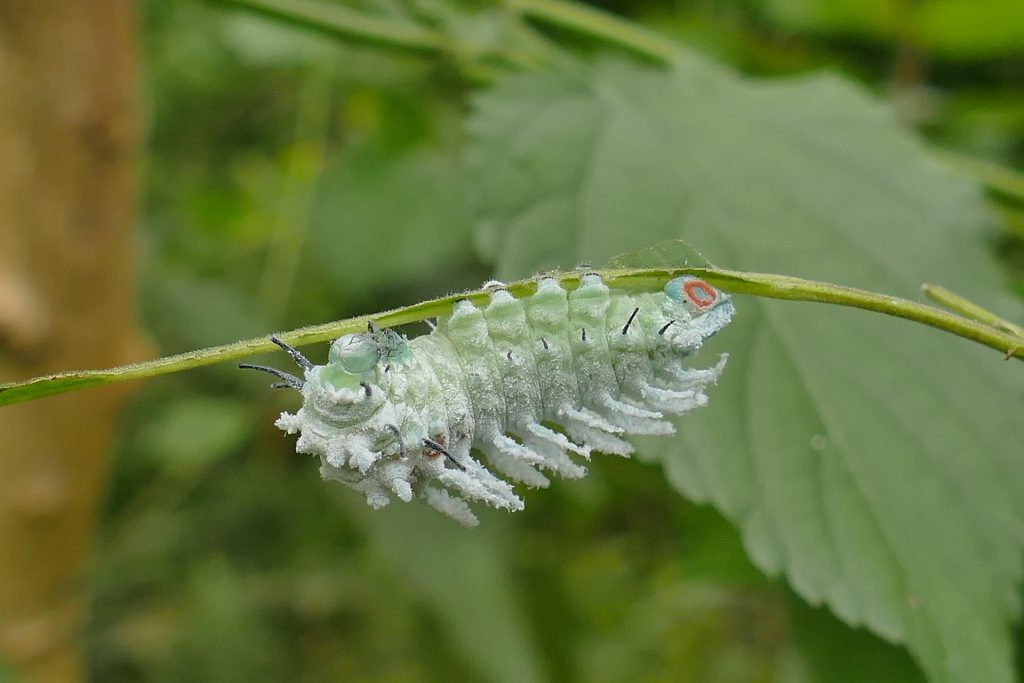
Many insects are herbivores. Some, such as Grasshoppers, will eat every part of a plant. Others specialize in certain parts of the plant. Caterpillars eat leaves. The larvae, or young wormlike forms, of root weevils feed on roots. Asian long-horned beetles tunnel deep into the heart of a tree and eat the wood there. Honeybees feed on nectar and pollen from flowers.
Some herbivores consume only dead plant material. These organisms are called detritivores. Detritivores also consume other dead organic material, such as decaying animals, fungi, and algae. Detritivores such as earthworms, bacteria, and fungi are an important part of the food chain. They break down the dead organic material and recycle nutrients back into the ecosystem. Detritivores can survive in many places. Earthworms and mushrooms live in the soil. There are also detritivore bacteria at the bottom of the ocean.
Plants that are parasites can still be considered herbivores. A parasite is an organism that lives on or in another organism and gets its nutrients from it. Parasitic plants get their nutrients from other plants, called host plants. Dodder, native to tropical and temperate climates around the world, is a parasitic vine that wraps around a host plant. Dodder has rootlike parts called haustoria that attach to the host plant, so it can feed on its nutrients. Eventually, the parasitic dodder feeds on all the nutrients of the host plant, and the host plant dies. The dodder vines then move on to another plant.
Herbivores in the Food Chain
Many herbivores spend a large part of their life eating. Elephants need to eat about 130 kilograms (300 pounds) of food a day. It takes a long time to eat that much leaves and grass, so elephants sometimes eat for 18 hours a day.
Herbivores depend on plants for their survival. If the plant population declines, herbivores cannot get enough food. Beavers, for example, feed on trees and plants that live near water. If the trees are removed to build houses and roads, the beaver population cannot survive.
Similarly, many carnivores need herbivores to survive. Herbivorous zebras and gazelles once travelled in great herds across the savannas of Africa. But these herds have shrunk and are now mostly confined to parks and wildlife reserves. As the number of these herbivores declines, carnivores such as African wild dogs, which prey on them, also decline. Scientists estimate that only 3,000 to 5,500 African wild dogs remain in the wild.
In some places, the disappearance of large carnivores has led to an overpopulation of herbivores. Wolves and cougars are traditional predators, or hunters, of white-tailed deer, which are herbivores. Hunting and expanding human settlements have practically eliminated these predators from the north-eastern United States. Without its natural predators, the population of white-tailed deer has skyrocketed. In some areas, there are so many deer that they cannot find enough food. They now frequently stray into towns and suburbs in search of food.
These Teeth are made for Chomping
Many herbivores have large, dull, flat teeth. These teeth are excellent for chewing and breaking down tough plant material. Carnivores have sharp, narrow teeth that are better for biting and tearing flesh.
However, some herbivores also have strong, sharp teeth. These teeth, such as those on Hippopotamuses and Gorillas, are not adapted for eating. They are developed for confrontations with other animals fighting, not feeding.
]]>