See Also:
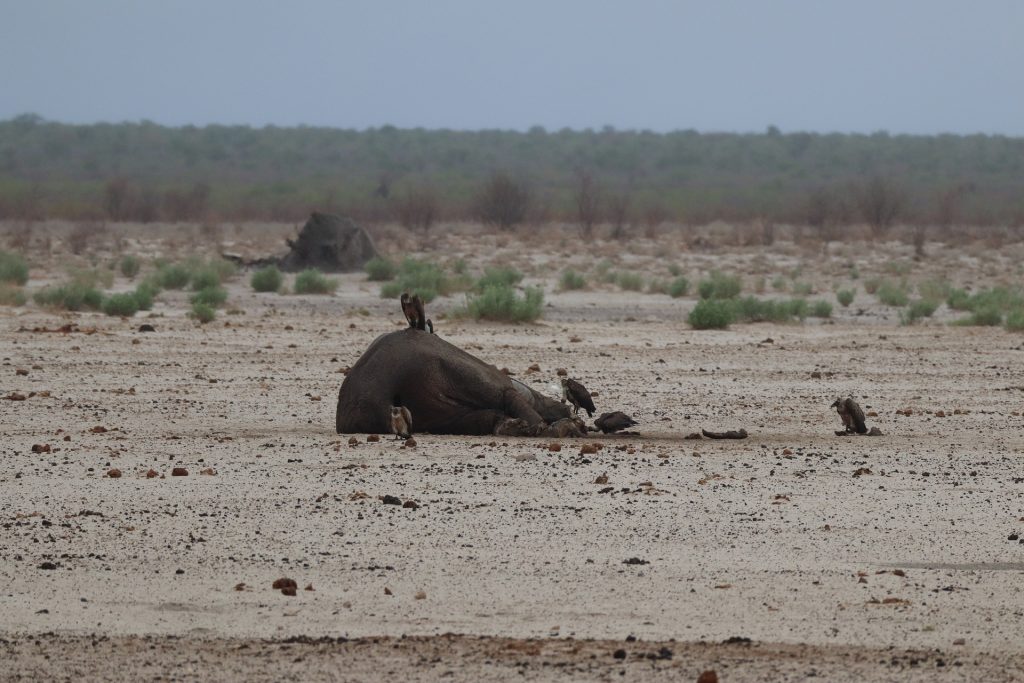
Scavengers are animals that consume dead organisms that have died from causes other than predation. While scavenging generally refers to carnivores feeding on carrion, it is also a herbivorous feeding behaviour. Scavengers play an important role in the ecosystem by consuming dead animals and plants.
Scavengers aid in overcoming fluctuations of food resources in the environment. The process and rate of scavenging is affected by both biotic and biotic factors, such as carcass size, habitat, temperature, and seasons.
Types of Scavengers
Obligate scavenging is rare among vertebrates, due to the difficulty of finding enough carrion without expending too much energy.
Well-known invertebrate scavengers of animal material include burying beetles and blowflies, which are obligate scavengers, and yellowjackets. Fly larvae are also common scavengers for organic materials at the bottom of freshwater bodies. For example, Tokunagayusurika akamusi is a species of midge fly whose larvae live as obligate scavengers at the bottom of lakes and whose adults almost never feed and only live up to a few weeks.
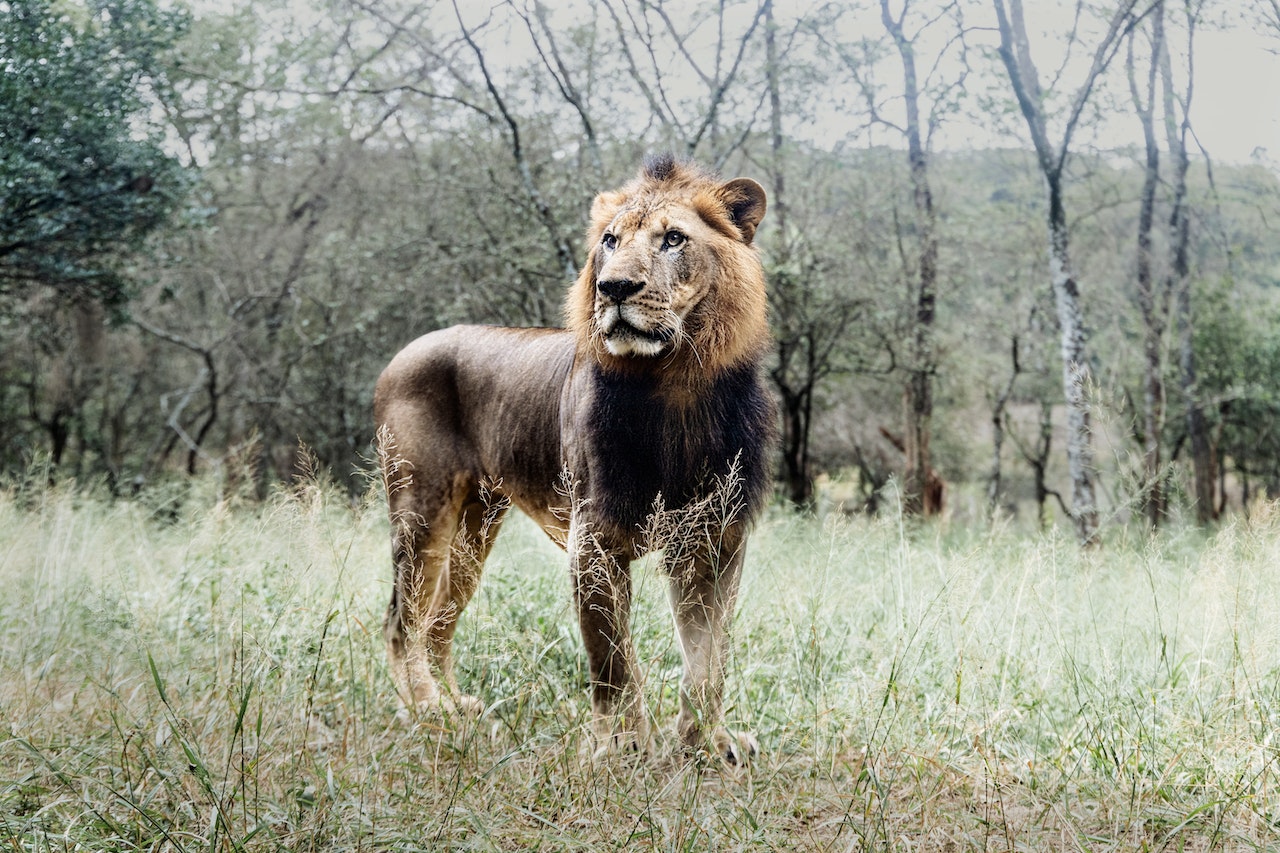
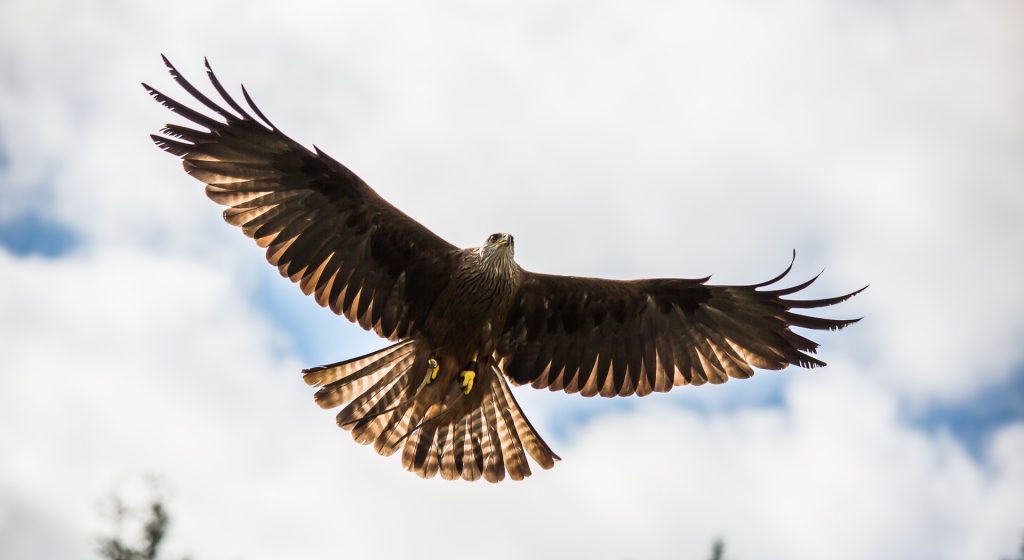
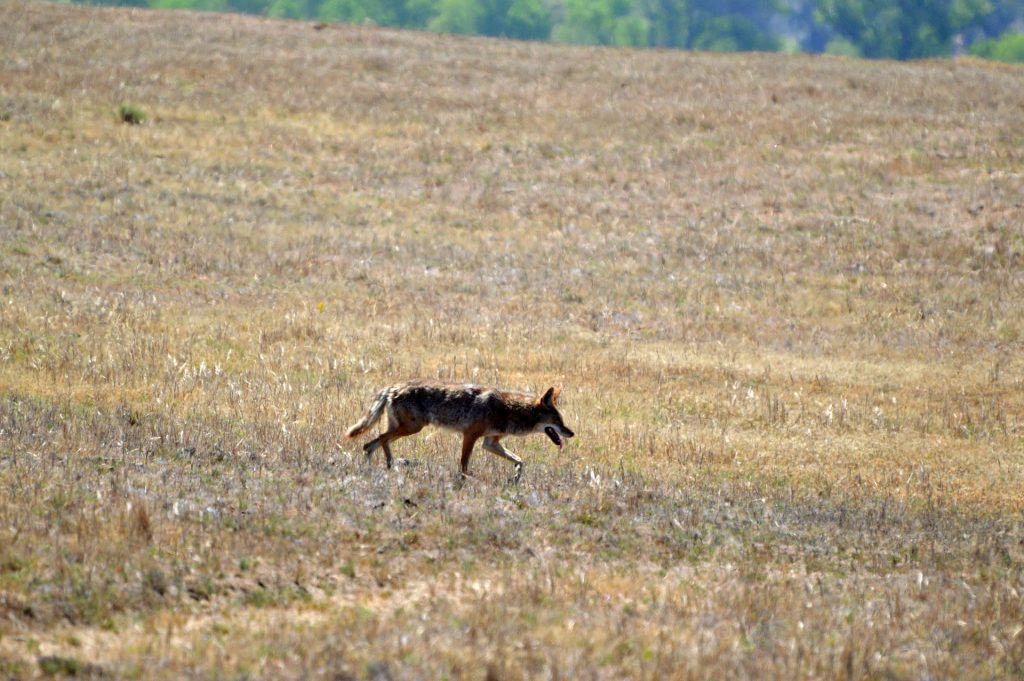
Most scavenging animals are facultative scavengers that gain most of their food through other methods, especially predation. Many large carnivores that hunt regularly, such as hyenas and jackals, but also animals rarely thought of as scavengers, such as African lions, leopards, and wolves will scavenge if given the chance. They may also use their size and ferocity to intimidate the original hunters (the cheetah is a notable victim, rather than a perpetrator). Almost all scavengers above insect size are predators and will hunt if not enough carrion is available, as few ecosystems provide enough dead animals year-round to keep its scavengers fed on that alone. Scavenging wild dogs and crows frequently exploit roadkill.
Scavengers of dead plant material include termites that build nests in grasslands and then collect dead plant material for consumption within the nest. The interaction between scavenging animals and humans is seen today most commonly in suburban settings with animals such as opossums, polecats and raccoons. In some African towns and villages, scavenging from hyenas is also common.
Impact on the Environment
Scavengers play a fundamental role in the environment through the removal of decaying organisms, serving as a natural sanitation service. While microscopic and invertebrate decomposers break down dead organisms into simple organic matter which are used by nearby autotrophs, scavengers help conserve energy and nutrients obtained from carrion within the upper trophic levels, and are able to disperse the energy and nutrients farther away from the site of the carrion than decomposers.
Scavenging unites animals which normally would not come into contact, and results in the formation of highly structured and complex communities which engage in non-random interactions. Scavenging communities function in the redistribution of energy obtained from carcasses and reducing diseases associated with decomposition. Oftentimes, scavenger communities differ in consistency due to carcass size and carcass types, as well as by seasonal effects as consequence of differing invertebrate and microbial activity.
Competition for carrion results in the inclusion or exclusion of certain scavengers from access to carrion, shaping the scavenger community. When carrion decomposes at a slower rate during cooler seasons, competitions between scavengers decrease, while the number of scavenger species present increases.
Transmission of Disease
Scavenging may provide a direct and indirect method for transmitting disease between animals. Scavengers of infected carcasses may become hosts for certain pathogens and consequently vectors of disease themselves. An example of this phenomenon is the increased transmission of tuberculosis observed when scavengers engage in eating infected carcasses. Likewise, the ingestion of bat carcasses infected with rabies by striped skunks resulted in increased infection of these organisms with the virus.
A major vector of transmission of diseases are various bird species, with outbreak being influenced by such carrier birds and their environment. An avian cholera outbreak from 2006 to 2007 off the coast Newfoundland, Canada resulted in the mortality of many marine bird species. The transmission, perpetuation and spread of the outbreak was mainly restricted to gull species who scavenge for food in the area. Similarly, an increase of transmission of avian influenza virus to chickens by domestic ducks from Indonesian farms permitted to scavenge surrounding areas was observed in 2007. The scavenging of ducks in rice paddy fields in particular resulted in increased contact with other bird species feeding on leftover rice, which may have contributed to increased infection and transmission of the avian influenza virus. The domestic ducks may not have demonstrated symptoms of infection themselves, though were observed to excrete high concentrations of the avian influenza virus.